
Weight
Pink Salt Trick: The Recipe, What It Claims, and Whether It Works for Weight Loss
The pink salt trick is a viral morning drink of warm water, a pinch of pink Himalayan salt and lemon juice; no study has tested it for weight loss, and nothing in it is known to burn fat. Here's the recipe as people make it, what pink salt actually is, how much sodium a glass adds, and the habits with real evidence behind them.
What is the pink salt trick?
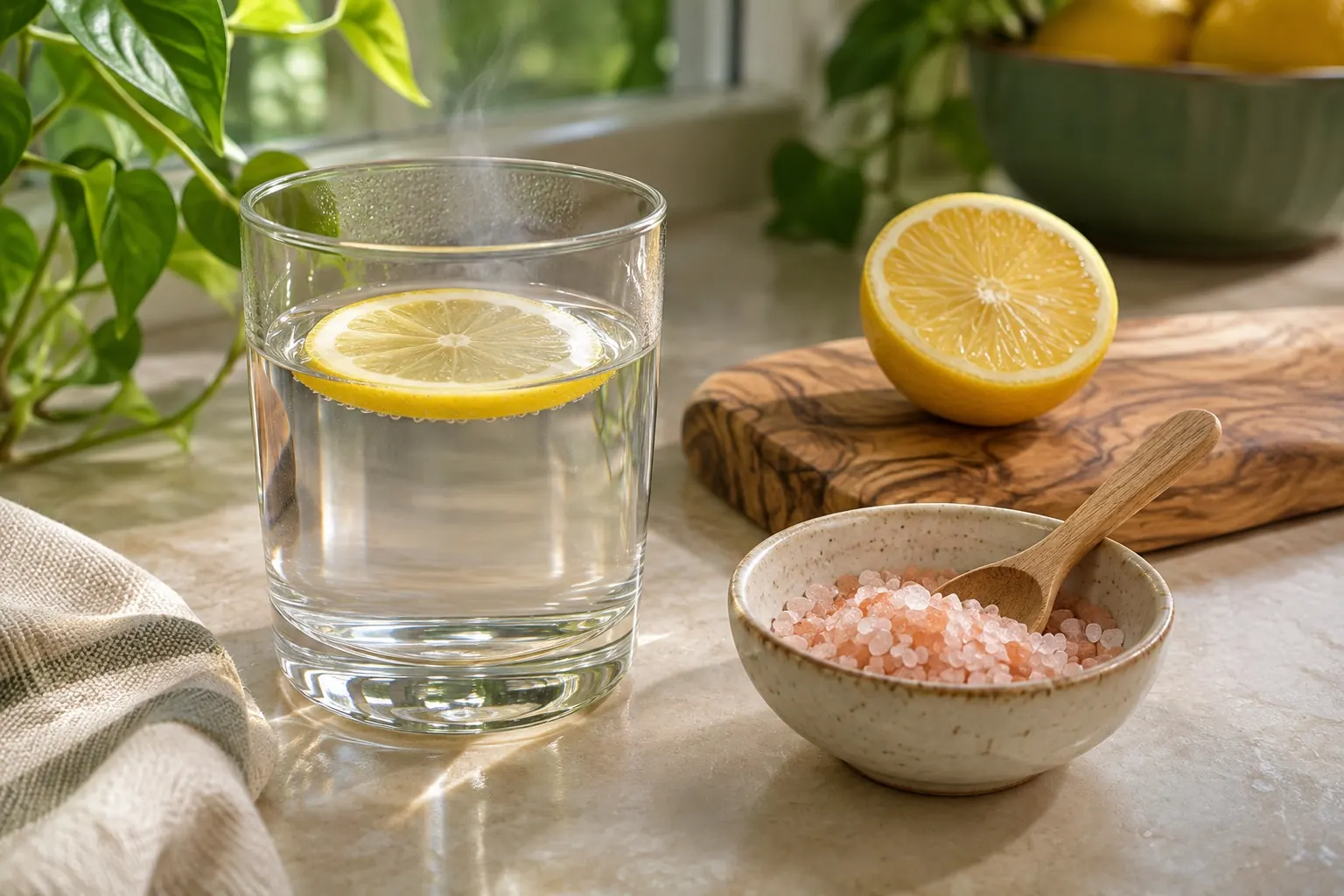
The pink salt trick spread on social media as a simple morning drink: a glass of warm water with a little pink Himalayan salt and the juice of half a lemon, sometimes sweetened with a spoonful of honey. Posts credit it with weight loss and with reducing inflammation.
The recipe card above shows the version people search for, so you know exactly what's in the glass. It's there for clarity, not as a recommendation, and the rest of this page explains what each part does and doesn't do. Some versions also add apple cider vinegar; we covered that one separately in our apple cider vinegar guide.
The pink salt trick recipe, as people share it
This is the version most often shared online. We list it so you know exactly what is in the glass, not as a recommendation: the sections below explain what the research says.
- 1 cup (8 oz) warm water
- A pinch to 1/4 tsp fine pink Himalayan salt
- Juice of 1/2 lemon (about 1 1/2 tbsp)
- 1 tsp honey (optional)
- Warm the water until it's comfortable to sip, not boiling.
- Stir in the salt until it dissolves.
- Add the lemon juice, and the honey if you use it, and stir again.
- Sip it slowly. Most people who follow the trend drink it in the morning, before breakfast.
Without honey; a teaspoon of honey adds about 21 calories and 6 g of sugar. The number that matters is sodium: 1/4 tsp of fine salt carries about 580 mg, a quarter of the daily limit, while a dash (about 0.4 g) has about 155 mg.
Does the pink salt trick work for weight loss?
No study has tested the pink salt trick, and none of its ingredients is known to cause weight loss. Natalie Allen, a registered dietitian and clinical associate professor of nutrition and dietetics at Missouri State University, put it simply: pink salt doesn't speed up metabolism, detox the body or cause weight loss. Whatever benefit people notice, she says, comes from staying hydrated and drinking fewer sugary beverages.
The research on water backs that up, modestly. A 2024 meta-analysis of eight trials in adults with overweight or obesity found that encouraging people to drink more water didn't significantly change their weight. Replacing sugar-sweetened drinks with water did a little better, about 0.8 kg (under 2 pounds) of extra weight loss, a borderline result.
The salt itself works against the idea. Too much sodium makes the body hold on to fluid, as the NIH's kidney institute (NIDDK) explains, which is the opposite of what people hope to see on the scale.
What is pink Himalayan salt?
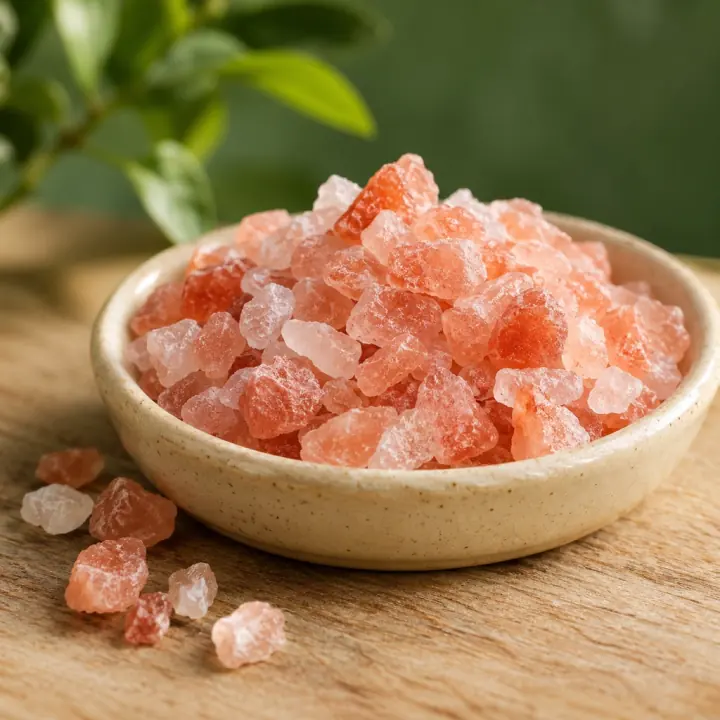
Pink Himalayan salt is rock salt harvested from mines in Pakistan. The American Heart Association (AHA) describes it as less processed than table salt, with larger crystals and some trace minerals.
Those minerals come in tiny amounts. When Australian researchers analyzed 31 pink salts bought in stores, they found wide variation, with darker salts and salts from the Himalayas generally holding more minerals. Even so, a person would need more than 30 grams a day, about 6 teaspoons, for the minerals to make any meaningful contribution to their diet, an amount that would bring excessive sodium. One sample contained lead above Australia's legal limit.
Pink salt vs regular salt: is pink salt healthier?
Not in any way that shows up in your health. Here's how the two compare.
| Feature | Pink Himalayan salt | Regular table salt |
|---|---|---|
| Where it comes from | Mines in Pakistan | Salt deposits, then refined |
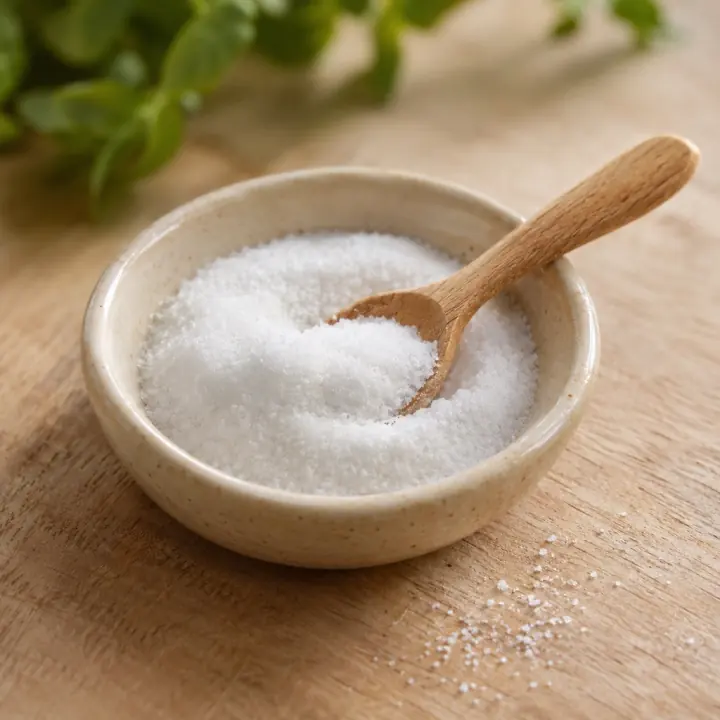
| Processing | Less processed, larger crystals | Processed to a fine texture; anti-clumping additives may be used |
| Sodium | Generally similar to table salt | About 40% sodium by weight |
| Sodium per teaspoon | Can be lower when crystals are coarse, because fewer fit on the spoon | About 2,300 to 2,400 mg |
| Trace minerals | Small amounts; about 6 teaspoons a day would be needed to matter | Removed in processing |
| Iodine | Usually not iodized | Iodized versions widely sold; the label says so |
Sources: American Heart Association, FDA, NIH Office of Dietary Supplements and a 2020 analysis of 31 pink salts.
The AHA's bottom line: salts differ in texture, processing and trace minerals, but their sodium content is generally similar, and for heart health it's your total sodium that matters most.
Iodine is the one real difference worth knowing. The NIH Office of Dietary Supplements notes that specialty salts such as sea salt, kosher salt and Himalayan salt are not usually iodized, and adding iodine to salt is the most widely used way to prevent iodine deficiency. If pink salt replaces iodized salt in your kitchen, seafood, dairy and eggs are good iodine sources. Pregnant women need about 50% more iodine than other women, so ask your doctor before making the switch.
How much sodium is in a pink salt drink?
A quarter teaspoon of fine salt weighs about 1.5 grams and carries about 580 mg of sodium, based on USDA's entry for table salt. A dash, about 0.4 gram, has about 155 mg. Coarse pink crystals pack more loosely, so a level quarter teaspoon may hold somewhat less.
Now compare that with the limits. The Dietary Guidelines for Americans, 2025–2030, say everyone 14 and older should consume less than 2,300 mg of sodium a day, which the FDA notes is about 1 teaspoon of table salt. The AHA recommends no more than 2,300 mg and an ideal of no more than 1,500 mg for most adults. One glass made with a quarter teaspoon uses about a quarter of the daily limit, or more than a third of the AHA's ideal, before you've eaten anything.
Most Americans are already over. The FDA puts average intake at about 3,400 mg a day, and the AHA notes that more than 70% of it comes from packaged, prepared and restaurant foods, not the saltshaker. The body needs less than 500 mg a day to work properly, according to the AHA.

| Who | Daily sodium limit |
|---|---|
| Children 1 to 3 | Less than 1,200 mg |
| Children 4 to 8 | Less than 1,500 mg |
| Children 9 to 13 | Less than 1,800 mg |
| Teens and adults, 14 and older | Less than 2,300 mg |
| Ideal for most adults (AHA) | No more than 1,500 mg |
Sources: Dietary Guidelines for Americans, 2025–2030, and the American Heart Association.
Who should avoid extra sodium
- People with high blood pressure, diabetes or kidney problems, African Americans and adults over 50. MedlinePlus says these groups are more sensitive to the effects of salt and should eat less.
- People with chronic kidney disease. NIDDK says many need to limit sodium even more, with a limit their health care professional sets based on their kidney health.
- People with heart failure. The NIH's heart institute (NHLBI) advises lowering sodium because salt may make fluid buildup worse.
- Anyone whose doctor has given them a sodium limit for any reason.
- Children, whose daily limits are lower (see the table above). A salty drink isn't designed for them.
- Pregnant or breastfeeding women, especially if pink salt would replace iodized salt. Ask your provider first.
There's one exception, and it runs the other way. The Dietary Guidelines note that highly active people may benefit from more sodium to offset what they lose in sweat, and the AHA says its 1,500 mg goal may not apply to competitive athletes or workers exposed to heavy heat, such as firefighters. For them, extra salt is about replacing sweat losses, not about weight loss.
What salt does to blood pressure
Cutting back on salt is one of the best-studied ways to lower blood pressure. A Cochrane review of 34 trials with 3,230 people found that eating about 4.4 grams less salt a day for at least four weeks lowered blood pressure by about 4/2 mm Hg on average, and by about 5/3 mm Hg in people with high blood pressure. The AHA says that for most people, cutting back by 1,000 mg of sodium a day can improve blood pressure.
That's why adding salt to your morning routine runs against the direction most adults are advised to go. To see where your numbers stand, check our blood pressure by age chart.
Habits that work better than the pink salt trick
If what you like about the pink salt trick is having a simple morning ritual, keep the ritual and change what's in the glass. If you want salt and water to work for you, see our homemade electrolyte drink and how much water to drink a day.
- Warm lemon water without the salt. It's still a glass of water, and water in place of sugary drinks is the part with some evidence behind it.
- Swap sugary drinks for water or unsweetened tea or coffee. The Dietary Guidelines advise avoiding sugar-sweetened beverages, and our guide to cutting sugary drinks has a four-week plan.
- Put protein in breakfast. The Dietary Guidelines advise prioritizing protein foods at every meal, and a meta-analysis found that higher-protein meals raise fullness more than lower-protein ones. Our protein coffee recipe and high-protein lunch ideas make it easy.
- Build muscle. Our guide on how to boost metabolism explains why strength training is the biggest lever you control.
- Fill up on fiber, with ideas from our high fiber foods chart, and use the evidence-backed habits in our guide to natural appetite suppressants.
If you'd like something to go with a new routine
Some readers want a product to pair with a fresh start. Two we've reviewed fit a morning habit. Treat them as options, not fixes: their claims are the brands', and we found no independent trial of either formula.
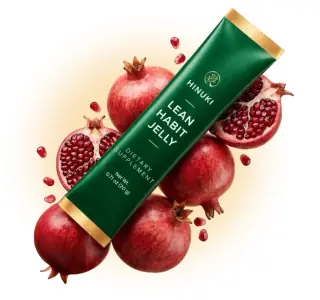
- Hinuki is a pomegranate jelly stick you eat straight from the pack, with no cup or water needed. The label lists 800 mg of garcinia cambogia extract and about 0.9 g of prebiotic fiber in each 10-calorie, caffeine-free stick, and the brand says it helps you feel satisfied after meals.
- Bryo is an instant Arabica coffee with berberine, L-carnitine and garcinia among its added ingredients, sweetened with stevia, for people who'd rather their morning drink be coffee. The brand puts a cup at about 10 calories and links its ingredients to fewer cravings.
If you take medication for blood sugar or have a chronic condition, ask your doctor before trying either one.
When to see a doctor
- Your home blood pressure readings are high, or you've been diagnosed with high blood pressure and want to change how much salt you eat.
- You notice swelling in your ankles, feet, legs or belly, unexplained weight gain, or shortness of breath after routine activities like climbing stairs. NHLBI lists these among the symptoms of heart failure.
- You have kidney disease or heart failure and are thinking about adding salt to your day.
- You're pregnant or breastfeeding and cook mostly with non-iodized salt.
- You're an athlete or work in heavy heat and want a hydration plan for long, sweaty sessions.
Morning habit products we've reviewed
Hinuki review
People who'd rather chew a small jelly than swallow capsules and want a simple habit around meals. From $3.00 a day.
Read the review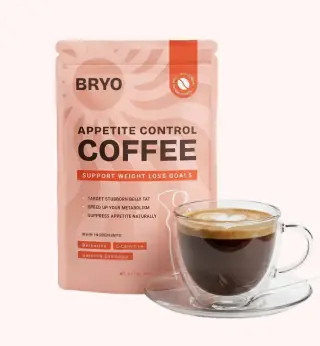
Bryo review
Daily coffee drinkers who want a flavored instant coffee with appetite-focused ingredients, alongside sensible eating. From $0.60 a day.
Read the review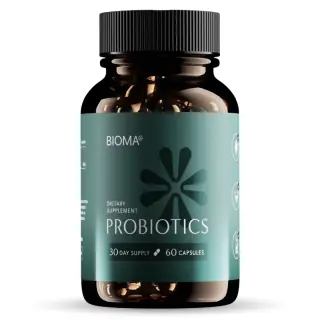
Bioma review
Adults who want a simple, stimulant-free daily probiotic for digestive comfort and regularity. From $0.88 a day.
Read the review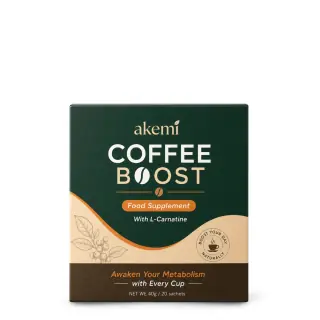
Akemi Coffee Boost review
Coffee drinkers who want a flavorless daily add-in alongside a balanced diet. From $1.11 a day.
Read the review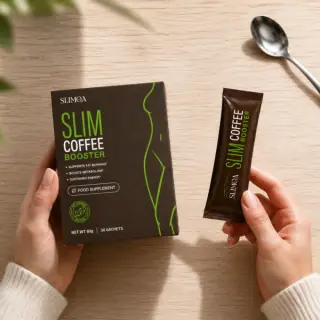
Slimqa Coffee Booster review
Coffee drinkers who want one simple daily habit alongside a balanced diet. From $0.67 a day.
Read the review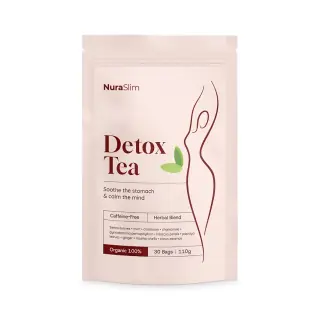
NuraSlim review
Herbal tea drinkers who want a caffeine-free cup after meals or in the evening. From $0.60 a day.
Read the review
FAQ
What is the pink salt trick recipe?
Usually 8 ounces of warm water, a pinch to 1/4 teaspoon of pink Himalayan salt and the juice of half a lemon, sometimes with a teaspoon of honey, drunk in the morning.
Does the pink salt trick work for weight loss?
No study shows that it does. A Missouri State University dietitian notes that pink salt doesn't speed up metabolism or cause weight loss; any benefit likely comes from drinking water instead of sugary drinks.
Is pink Himalayan salt healthier than regular salt?
Not in a way that matters. Its sodium content is generally similar, its trace minerals are too small to count, and it's usually not iodized.
How much pink salt per day is safe?
Count it as salt. People 14 and older should stay under 2,300 mg of sodium a day from all foods combined, about 1 teaspoon of salt, and the AHA's ideal for most adults is 1,500 mg.
Is it OK to drink pink salt water every morning?
It adds sodium without a proven benefit. A quarter teaspoon adds about 580 mg to diets that already average about 3,400 mg a day. If you have high blood pressure, heart failure or kidney disease, skip it.
Is pink salt iodized?
Usually not. The NIH Office of Dietary Supplements says specialty salts like Himalayan salt aren't usually iodized, and the label will tell you if one is.
Sources
- The truth about pink salt and weight loss, Missouri State University (2025)
- Water Intake and Adiposity Outcomes among Overweight and Obese Individuals: A Systematic Review and Meta-Analysis of Randomized Controlled Trials, Nutrients (2024), PubMed
- Healthy Eating for Adults with Chronic Kidney Disease, NIDDK
- Sodium Sources: Where Does All That Sodium Come From?, American Heart Association
- How Much Sodium Should I Eat Per Day?, American Heart Association
- An Analysis of the Mineral Composition of Pink Salt Available in Australia, Foods (2020), PubMed
- Iodine: Fact Sheet for Consumers, NIH Office of Dietary Supplements
- Sodium in Your Diet, FDA
- Dietary Guidelines for Americans, 2025–2030, USDA and HHS
- About Sodium and Health, CDC
- Sodium, MedlinePlus (National Library of Medicine)
- Heart Failure: Treatment, NHLBI
- Heart Failure: Symptoms, NHLBI
- Effect of longer term modest salt reduction on blood pressure: Cochrane systematic review and meta-analysis of randomised trials, BMJ (2013), PubMed
- The Effects of Increased Protein Intake on Fullness: A Meta-Analysis and Its Limitations, J Acad Nutr Diet (2016), PubMed
- Salt, table (FDC ID 173468), USDA FoodData Central
- Lemon juice, raw (FDC ID 167747), USDA FoodData Central
- Honey (FDC ID 169640), USDA FoodData Central
This guide is general information, not medical advice. Talk to your doctor before making changes to your diet, sleep or exercise routine.