
Fitness
Health-Related and Skill-Related Fitness: What Each Component Means and How to Train It
Fitness isn't one thing. Researchers split it into components that protect your health and components that help you move with skill. Here is what each one means, why the line between them is blurrier than textbooks suggest, and how to work on all of them.
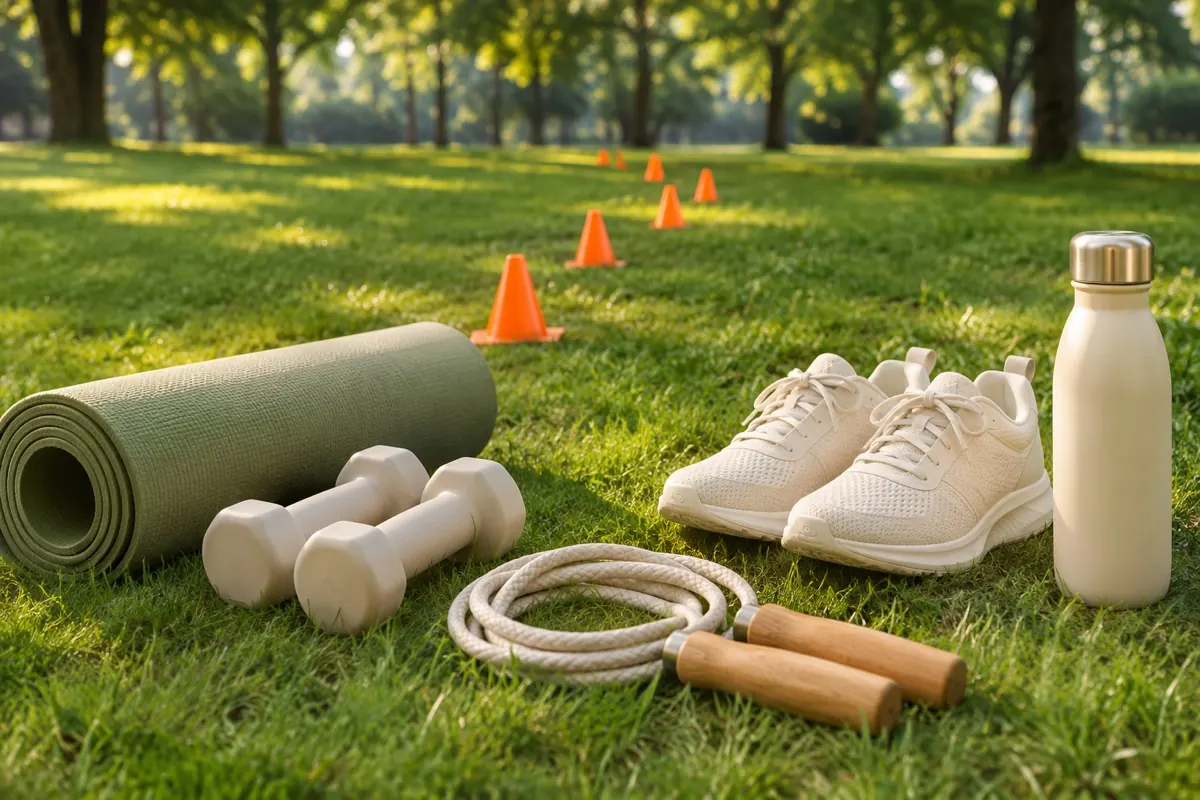
The difference in one sentence
Health-related fitness is the part of fitness linked to lower disease risk and easier everyday living. Skill-related fitness is the part that helps you perform physical tasks and sports well.
The split comes from a 1985 paper in Public Health Reports by Carl Caspersen, Kenneth Powell and Gregory Christenson, which defined physical fitness as a set of attributes that are either health-related or skill-related and can each be measured with specific tests. A 2012 Institute of Medicine report on youth fitness testing makes the same distinction: performance-related tests show what someone is capable of doing, while health-related tests look at their present and future health.
The 5 health-related components
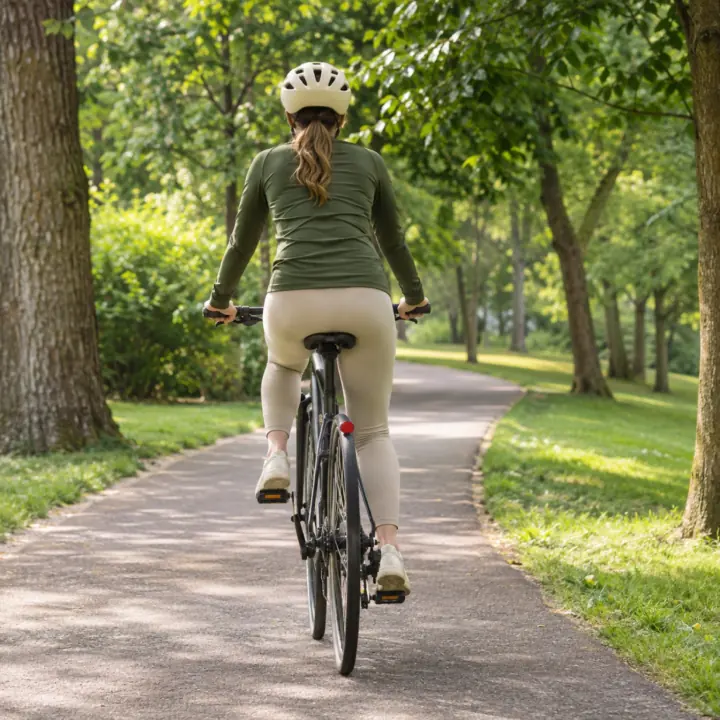
- Cardiorespiratory endurance: the ability to keep up large-muscle, whole-body exercise at a moderate-to-vigorous intensity for an extended time, as the Physical Activity Guidelines for Americans define it. Think brisk walking, cycling or swimming without having to stop.
- Muscular strength: how much force your muscles can produce, such as lifting a heavy box or a full laundry basket.
- Muscular endurance: how many times, or for how long, your muscles can keep working, such as carrying groceries up several flights of stairs.
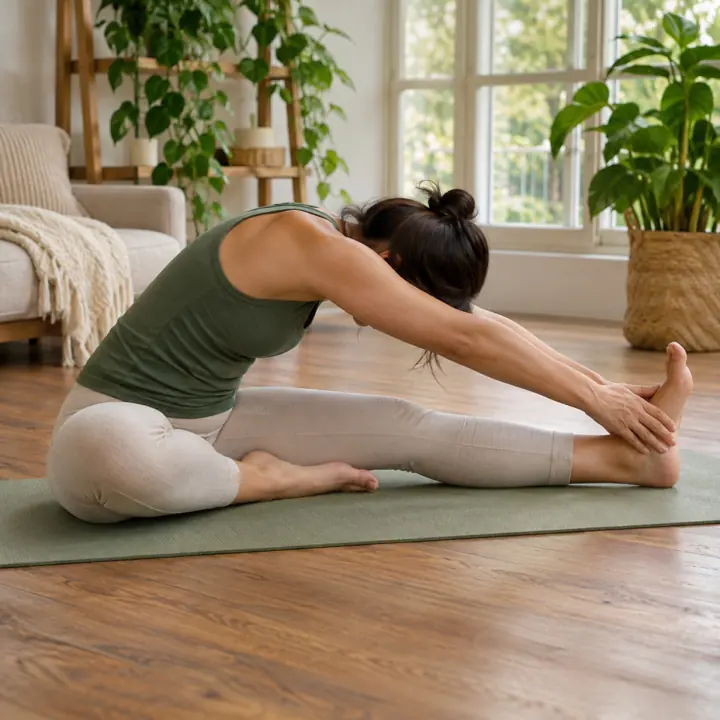
- Flexibility: the range of motion available at a joint. It's specific to each joint and depends partly on how tight the muscles and tendons around it are.
- Body composition: the relative amounts of muscle, fat, bone and other tissues in your body.
The 6 skill-related components

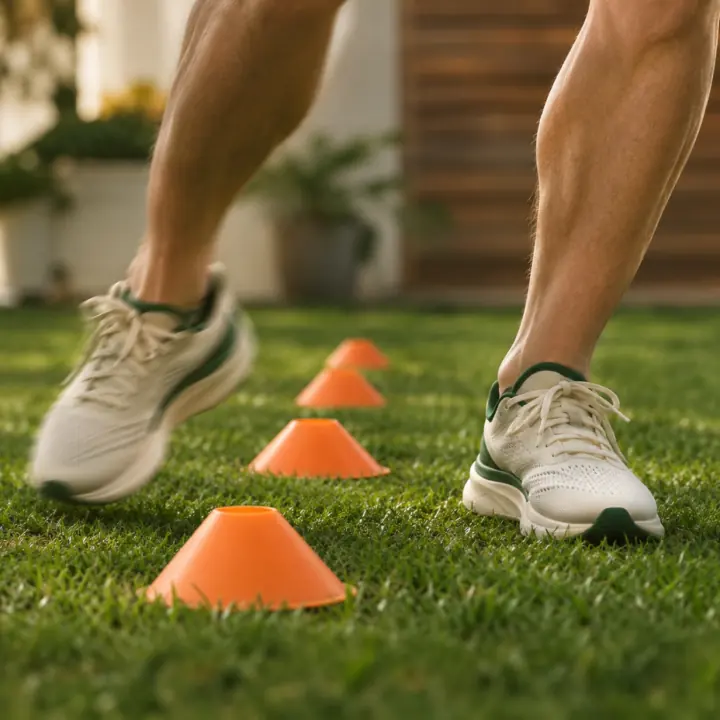
- Agility: changing direction quickly and under control, as in dodging someone on a sidewalk or a tennis rally.
- Balance: staying steady while standing still or moving. The guidelines define it as maintaining the body's equilibrium in either case.
- Coordination: getting different body parts, and your eyes, to work together smoothly, as in catching a ball or jumping rope.
- Power: producing force quickly, as in jumping or throwing.
- Reaction time: how fast you respond to something you see, hear or feel, such as a ball coming at you or a car braking ahead.
- Speed: the ability to move the body quickly, in the guidelines' words, as in a short sprint.
Where balance belongs, and why the line is blurry
Classic lists put balance under skill. The 2018 Physical Activity Guidelines for Americans count it as health-related, alongside cardiorespiratory fitness, muscular strength and endurance, body composition and flexibility, and they describe flexibility as both a health- and performance-related component.
The reason is practical. For older adults, the guidelines recommend activity that includes balance training as well as aerobic and muscle-strengthening work, and they list a lower risk of falls and fall-related injuries among the benefits of physical activity. Their table of fitness components also folds muscle power into musculoskeletal fitness, next to strength and endurance. In real life, the two groups overlap.
Why health-related fitness matters
According to the Physical Activity Guidelines, greater physical fitness is associated with lower all-cause and cardiovascular death rates and a lower risk of chronic diseases such as type 2 diabetes and high blood pressure. Most of those studies looked at cardiorespiratory fitness, and some at muscular fitness. The guidelines estimate that people who are physically active for about 150 minutes a week have a 33 percent lower risk of dying from any cause than people who aren't active.
Activity and fitness feed each other. More activity, and harder activity, usually brings fitness gains, especially in people who were not very active to begin with.
How to train each component
- Cardiorespiratory endurance: 150 to 300 minutes a week of moderate-intensity aerobic activity, such as brisk walking, or 75 to 150 minutes of vigorous activity, such as running, preferably spread through the week.
- Strength and muscular endurance: muscle-strengthening activities for all the major muscle groups on at least 2 days a week, such as weights, resistance bands, push-ups, pull-ups, planks, carrying heavy loads or heavy gardening.
- Flexibility: stretching increases range of motion. The guidelines call it an appropriate part of a program, but note that its health benefits are unknown and that stretching time doesn't count toward the aerobic or strength targets.
- Balance: walking backward, standing on one leg or using a wobble board. Strengthening the back, abdomen and legs also improves balance, and tai chi includes balance work.
- Body composition: it responds to the whole picture, meaning regular activity, including strength work, plus what you eat.
- Agility, coordination, power, reaction time and speed: sports, dancing, jumping rope, ladder or cone drills and short sprints, added once you have a base of regular activity.
How fitness is usually measured
School fitness tests are a good map of the components. The Institute of Medicine report lists the President's Council test battery for ages 6 to 17, which used a sit-and-reach for flexibility, curl-ups for abdominal strength and endurance, a shuttle run for speed and agility, an endurance run or walk for cardiorespiratory endurance, and pull-ups or push-ups for upper-body strength and endurance.
For everyday effort, the guidelines offer a simpler check, the talk test. During moderate-intensity activity you can talk but not sing. During vigorous activity you can't say more than a few words without pausing for breath.
Start safely
The guidelines say physical activity can be safe for almost everyone. Inactive people should start low and go slow, building up how often and how long they're active. If you have a chronic condition or symptoms, ask a health care provider which types and amounts of activity are right for you.
Reviewed products for training and recovery

Hewelth StepCore review
People on their feet all day who want firmer arch support and heel cushioning in boots and sneakers, and don't mind buying at least two pairs. From $11.25.
Read the review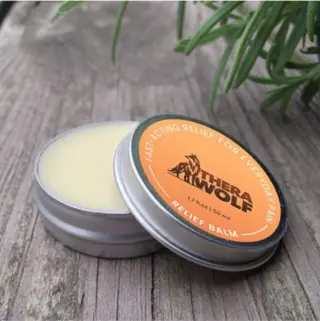
TheraWolf Pain Relief Balm review
Adults with everyday aches in the knees, back, neck or hands who want a plant-based rub alongside their usual care. From $17.24.
Read the review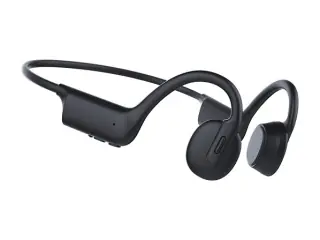
OsseoWave review
Runners, cyclists, walkers and commuters who want music and calls without plugging their ears. From $69.95.
Read the review
FAQ
What are the 5 health-related components of fitness?
Cardiorespiratory endurance, muscular strength, muscular endurance, flexibility and body composition. The 2018 Physical Activity Guidelines for Americans also count balance as health-related.
What are the 6 skill-related components of fitness?
Agility, balance, coordination, power, reaction time and speed. They help you perform physical tasks and sports, and several of them, like balance, also matter for everyday safety.
Is balance health-related or skill-related?
Both. Classic lists put it under skill, while the Physical Activity Guidelines for Americans count it as health-related and recommend balance training for older adults, partly because activity lowers the risk of falls.
Which type of fitness matters more for health?
Health-related fitness, especially cardiorespiratory and muscular fitness, is the part linked to lower death rates and a lower risk of diseases such as type 2 diabetes and high blood pressure, according to the Physical Activity Guidelines.
Do I need skill-related fitness if I don't play sports?
It still helps. Balance, coordination and reaction time come into play when you catch yourself on a curb or carry something down the stairs. Dancing, jumping rope or simple balance drills train them without any sport.
Sources
- Physical activity, exercise, and physical fitness: definitions and distinctions for health-related research, Public Health Reports (1985), PubMed
- Physical Activity Guidelines for Americans, 2nd edition, U.S. Department of Health and Human Services
- Fitness Measures and Health Outcomes in Youth, Institute of Medicine (2012), National Academies Press
This guide is general information, not medical advice. Talk to your doctor before making changes to your diet, sleep or exercise routine.