
Nutrition
How to Boost Metabolism: What Actually Works, and by How Much
How to boost metabolism, in short: build muscle with strength training, eat enough protein, stay active through the day and sleep well, while green tea, coffee and chili add only a little. None of these changes your metabolism dramatically, so below we put a realistic number on each one.

What metabolism is, and where your calories go
In everyday language, metabolism means how many calories your body burns. Researchers split that into three parts: your basal metabolic rate (the energy for breathing, circulation and keeping your organs running at rest), the energy you use to digest and process food, and the energy you spend moving.
Food processing is a small slice. A review of diet-induced thermogenesis puts it at 5% to 15% of daily energy expenditure on a mixed diet, higher when meals are rich in protein and lower when they're high in fat. The large 2021 study described below found that overall expenditure rises with lean (fat-free) mass, which is why body size and muscle matter more than any single food.
One more thing worth knowing: Cleveland Clinic notes that your metabolic rate alone doesn't determine your body size. A fast metabolism doesn't guarantee a slim body, and a slow one isn't a life sentence.
Does metabolism slow down with age?
Less than most people think. A 2021 study in Science analyzed a large, diverse database of daily energy expenditure measurements in people aged 8 days to 95 years. After accounting for body size and muscle, expenditure stayed stable from about age 20 to 60, even during pregnancy, and declined only in older adults.
So if your weight crept up in your 40s, a collapsing metabolism probably isn't the main reason. Changes in activity, muscle, sleep and eating habits usually matter more, and those are things you can work on.
1. Strength training: the biggest lever you control
If you do one thing from this guide, make it strength training. A 2020 meta-analysis of exercise studies found that resistance training raised resting metabolic rate by about 96 calories a day compared with control groups. Aerobic exercise alone didn't significantly change resting metabolic rate, although it burns plenty of calories while you're doing it. The authors noted a high risk of bias across the studies, so treat the number as a ballpark.
Cleveland Clinic explains it simply: strength training builds muscle, and muscle burns more calories than fat, even at rest.

- The Physical Activity Guidelines for Americans recommend muscle-strengthening activities that work all the major muscle groups on 2 or more days a week.
- Bodyweight moves count: squats, lunges, push-ups and planks. Our guide to push-up calories shows why their value is in strength, not in calories burned during the set.
- Progress gradually by adding repetitions, sets or weight, and give each muscle group a rest day in between.
2. Eat enough protein
Protein is the most thermogenic nutrient: your body spends more energy processing it than it does carbohydrates or fat. A 2024 meta-analysis of 52 studies found that higher-protein meals increased the energy burned after eating, and that higher-protein diets over days to a year raised total daily energy expenditure and resting energy expenditure, compared with lower-protein diets of the same calories. The effects were statistically clear but modest, and the type of protein didn't matter.
The Dietary Guidelines for Americans, 2025–2030, set a protein goal of 1.2 to 1.6 grams per kilogram of body weight a day and recommend prioritizing protein foods at every meal. For a 150-pound adult (68 kg), that's about 82 to 109 grams a day.
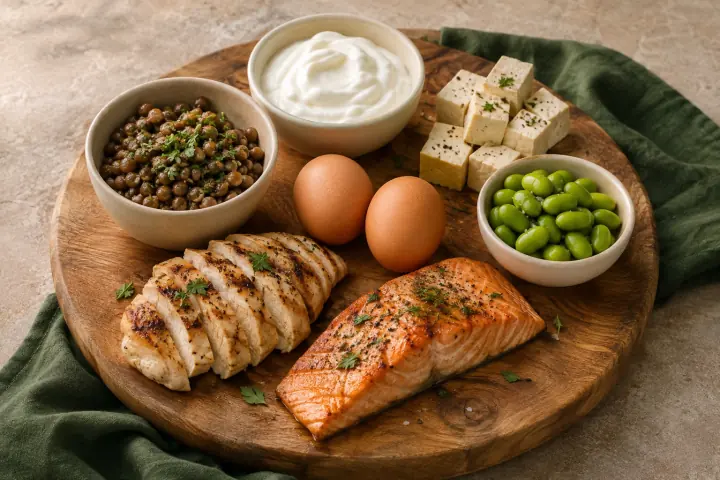
| Food | Calories | Protein |
|---|---|---|
| Roasted chicken breast, 3 oz | 140 | 26 g |
| Plain nonfat Greek yogurt, 1 cup | 145 | 25 g |
| Baked salmon, 3 oz | 175 | 19 g |
| Firm tofu, 1/2 cup | 100 to 180 | 11 to 22 g |
| Hard-boiled eggs, 2 large | 155 | 13 g |
| Edamame, 1/2 cup | 95 | 9 g |
| Cooked lentils, 1/2 cup | 115 | 9 g |
Values from USDA FoodData Central, rounded. Tofu varies by how it's made: USDA's two firm tofu entries differ by about half.
Protein also helps with fullness, which may matter more for your weight than the extra calories burned. Our guide to natural appetite suppressants covers that side.
3. Move more, all day
Activity is the most flexible part of your daily burn. The Physical Activity Guidelines for Americans recommend 150 to 300 minutes a week of moderate aerobic activity, such as brisk walking, plus the strength work above. Beyond workouts, small habits add up: walking calls, taking stairs, standing to fold laundry, a walk after dinner.
This is less exciting than a metabolism-boosting food, but it's the part of your daily burn you can change most directly.
4. Don't crash diet
Very aggressive dieting can push your metabolism the wrong way. In a 2016 study, 14 contestants from a televised weight-loss competition lost an average of 58 kg (about 128 pounds) in 30 weeks. Six years later, their resting metabolic rate was still about 704 calories a day lower than when they started, and after adjusting for their new body size and age it was about 499 calories a day lower than expected. On average, they had regained about 41 kg of the weight.
It's a small study of an extreme situation, but the lesson is useful: a steady, moderate calorie deficit with enough protein and strength training protects muscle better than drastic cuts.
5. Sleep enough
Short sleep doesn't seem to lower your metabolism directly, but it makes everything else harder. In a 2017 meta-analysis of sleep-restriction studies, cutting sleep didn't significantly change total energy expenditure or resting metabolic rate, but people ate about 385 more calories a day. The CDC recommends 7 or more hours a night for adults aged 18 to 60.
Green tea and metabolism: a quick look at the trials
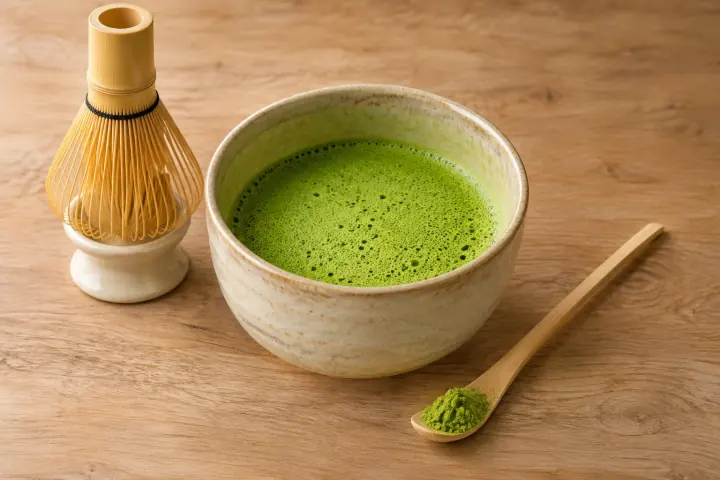
Green tea is the most searched metabolism booster, and it's a good example of a real but small effect. Its catechins and caffeine are thought to nudge energy use upward, and NCCIH says they may have a modest effect on body weight. For the full picture, see green tea for weight loss.
- A Cochrane review of 12-week trials found that green tea preparations in studies outside Japan led to virtually no difference in weight (0.04 kg). Studies in Japan showed larger effects but couldn't be pooled. The reviewers concluded the weight loss was small, not statistically significant and not likely to be clinically important.
- A 2024 network meta-analysis of 22 trials found green tea led to about 1.2 kg (under 3 pounds) more weight loss than placebo, rated low-certainty evidence. Coffee, black tea and green coffee didn't show a significant effect.
- Safety: NCCIH says no safety concerns have been reported for green tea as a drink in adults. Liver injury, although uncommon, has been reported mainly with green tea extracts in tablets or capsules, and high doses can interact with some medicines, such as the beta-blocker nadolol.
What's the best green tea for weight loss? Plain brewed green tea or matcha without sugar. An 8-ounce cup of tea has 14 to 60 mg of caffeine, according to MedlinePlus, so a few cups a day stay well under the FDA's 400 mg figure for most adults. Enjoy it because you like it, and count it as a small bonus rather than a plan.
Foods that boost metabolism: the honest numbers
Here's how the most popular metabolism-boosting foods and drinks stack up in systematic reviews.
| Food or drink | What reviews found | Size of the effect |
|---|---|---|
| Protein-rich foods | More energy burned after meals and higher daily expenditure on higher-protein diets | Modest, but the best supported |
| Coffee and caffeine | Caffeine linked to small drops in weight and body fat; coffee itself not significant against placebo | Small |
| Green tea | About 1.2 kg more weight loss than placebo in one analysis, near zero in another | Small, low certainty |
| Chili peppers (capsaicin) | Slightly more energy burned and fat oxidized, and about 74 fewer calories eaten at the next meal | Small |
| MCT oil | About 0.5 kg more weight loss than other fats, with signs of commercial bias | Small |
| Water | Promoting water intake didn't significantly change weight; replacing sugary drinks helped a little | Little to none on its own |
See Sources for each review. None of these replaces strength training and enough protein.
Fast metabolism vs. slow metabolism: signs and causes
People do differ in how many calories they burn, mostly because of body size and muscle. A truly slow metabolism, from a medical cause, is less common than people fear, but it's worth knowing the signs.
An underactive thyroid (hypothyroidism) slows the body's use of energy. NIDDK lists fatigue, weight gain, trouble tolerating cold, joint and muscle pain, dry skin or thinning hair, heavy or irregular periods, a slowed heart rate and depression among its symptoms. It also notes that fatigue and weight gain are common and don't necessarily mean you have a thyroid problem, which is why a blood test, not a guess, gives the answer.
An overactive thyroid (hyperthyroidism) speeds things up instead, and NIDDK lists weight loss despite an increased appetite, a rapid or irregular heartbeat and trouble tolerating heat among its symptoms.
Metabolism products we've reviewed
Plenty of products promise to rev up your metabolism. The two coffee add-ins below contain ingredients studied for exactly that, and the research on each ingredient points to small effects. We found no independent trial of either formula, and their claims are the brands'. The third is a herbal tea we include for a different reason.
- Akemi Coffee Boost is a flavorless sachet you stir into coffee or tea. The brand lists green tea extract, green coffee bean extract, L-carnitine, white kidney bean, mulberry leaf and two fibers, says it supports metabolism, and puts each sachet at about 30 mg of caffeine. Doses per ingredient aren't published.
- Slimqa is a powdered coffee blend, one sachet a day with a meal. The box lists L-carnitine, green coffee extract and capsicum, and the sales page adds green tea extract, berberine and chromium. It doesn't publish caffeine per serving, so ask the brand if you're counting.
- NuraSlim is a caffeine-free herbal tea, worth a look if you'd like a warm evening cup instead of more caffeine. It won't raise your metabolism, and it contains senna, a stimulant laxative, even though the brand calls it non-laxative. Start with one cup and see how your body responds.
If you take medication, especially for blood pressure, blood sugar or your heart, ask your doctor before adding any supplement or herbal tea.
When to see a doctor
- You have several thyroid symptoms, such as unusual tiredness, feeling cold, weight gain, dry skin or a slow heartbeat, or the opposite pattern of weight loss with a racing heart and heat intolerance. Ask for a thyroid test.
- You're gaining or losing weight without a clear reason.
- You plan to start a new exercise program and have a heart condition, joint problems or symptoms such as chest pain.
- You want to try green tea extract or any metabolism supplement while taking prescription medicine. NCCIH notes that green tea can interact with drugs such as nadolol and atorvastatin.
- You're pregnant, nursing or managing a chronic disease and want to change your diet or caffeine intake.
Metabolism and tea products we've reviewed
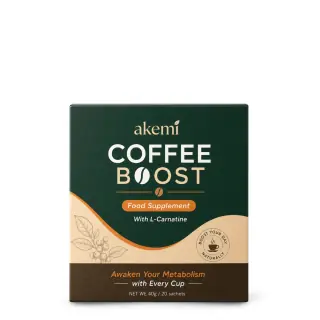
Akemi Coffee Boost review
Coffee drinkers who want a flavorless daily add-in alongside a balanced diet. From $1.11 a day.
Read the review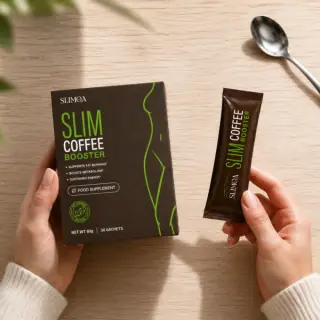
Slimqa Coffee Booster review
Coffee drinkers who want one simple daily habit alongside a balanced diet. From $0.67 a day.
Read the review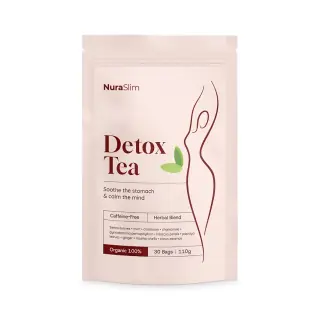
NuraSlim review
Herbal tea drinkers who want a caffeine-free cup after meals or in the evening. From $0.60 a day.
Read the review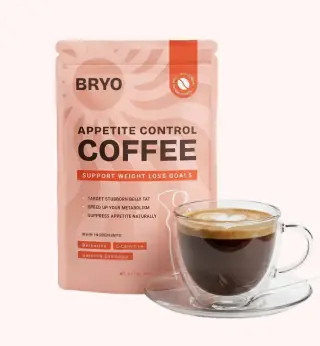
Bryo review
Daily coffee drinkers who want a flavored instant coffee with appetite-focused ingredients, alongside sensible eating. From $0.60 a day.
Read the review
FAQ
How can I boost my metabolism fast?
There's no fast fix. The most reliable steps are strength training (about 96 more calories a day at rest in one meta-analysis), enough protein at every meal, more daily movement and 7 or more hours of sleep. Coffee, green tea and chili add only small effects.
Can you boost your metabolism after 40 or 50?
Yes, the same way as at any age, mainly with strength training and enough protein. A 2021 study in Science found that energy expenditure, adjusted for body size, stays stable from about 20 to 60, so age alone isn't the main reason for midlife weight gain.
Does green tea boost metabolism?
A little. A 2024 network meta-analysis found about 1.2 kg more weight loss than placebo, rated low certainty, and a Cochrane review found the effect wasn't clinically important. Plain green tea is safe for most adults; extracts carry rare liver risks.
Does drinking water boost metabolism?
Not in any way that shows up on the scale. A 2024 meta-analysis found that promoting water intake didn't significantly change weight, though replacing sugary drinks with water helped a little.
Does muscle burn more calories than fat?
Yes. Cleveland Clinic notes that muscle burns more calories than fat even at rest, which is why strength training is the best long-term way to raise your resting burn.
What slows metabolism?
Losing muscle, aggressive dieting and an underactive thyroid are the main culprits. In one study of 14 people who lost a lot of weight very fast, resting burn was still about 700 calories a day lower six years later.
Sources
- Metabolism, Cleveland Clinic
- Diet induced thermogenesis, Nutr Metab (Lond) (2004), PubMed
- Daily energy expenditure through the human life course, Science (2021), PubMed
- The effect of exercise interventions on resting metabolic rate: a systematic review and meta-analysis, J Sports Sci (2020), PubMed
- Physical Activity Guidelines for Americans, 2nd edition, U.S. Department of Health and Human Services
- Effects of Varying Protein Amounts and Types on Diet-Induced Thermogenesis: A Systematic Review and Meta-Analysis, Adv Nutr (2024), PubMed
- Dietary Guidelines for Americans, 2025–2030, USDA and HHS
- Fothergill et al., Persistent metabolic adaptation 6 years after a televised weight-loss competition (title shortened), Obesity (2016), PubMed
- The effects of partial sleep deprivation on energy balance: a systematic review and meta-analysis, Eur J Clin Nutr (2017), PubMed
- About Sleep, CDC
- Green tea for weight loss and weight maintenance in overweight or obese adults, Cochrane Database Syst Rev (2012), PubMed
- Comparative effects of tea and coffee drinking on body weight in adults: a systematic review and network meta-analysis of randomised trials, Br J Nutr (2024), PubMed
- Green Tea: Usefulness and Safety, NCCIH
- Caffeine, MedlinePlus (National Library of Medicine)
- Spilling the Beans: How Much Caffeine Is Too Much?, FDA
- The effects of caffeine intake on weight loss: a systematic review and dose-response meta-analysis of randomized controlled trials, Crit Rev Food Sci Nutr (2019), PubMed
- The effects of capsaicin and capsiate on energy balance: critical review and meta-analyses of studies in humans, Chem Senses (2012), PubMed
- Could capsaicinoids help to support weight management? A systematic review and meta-analysis of energy intake data, Appetite (2014), PubMed
- Effects of medium-chain triglycerides on weight loss and body composition: a meta-analysis of randomized controlled trials, J Acad Nutr Diet (2015), PubMed
- Water Intake and Adiposity Outcomes among Overweight and Obese Individuals: A Systematic Review and Meta-Analysis of Randomized Controlled Trials, Nutrients (2024), PubMed
- Hypothyroidism (Underactive Thyroid), NIDDK
- Hyperthyroidism (Overactive Thyroid), NIDDK
- Chicken, broilers or fryers, breast, meat only, cooked, roasted (FDC ID 171477), USDA FoodData Central
- Yogurt, Greek, nonfat milk, plain (FDC ID 2705424), USDA FoodData Central
- Fish, salmon, Atlantic, farmed, cooked, dry heat (FDC ID 175168), USDA FoodData Central
- Tofu, firm, prepared with calcium sulfate and magnesium chloride (nigari) (FDC ID 172448), USDA FoodData Central
- Tofu, raw, firm, prepared with calcium sulfate (FDC ID 172475), USDA FoodData Central
- Egg, whole, cooked, hard-boiled (FDC ID 173424), USDA FoodData Central
- Edamame, frozen, prepared (FDC ID 168411), USDA FoodData Central
- Lentils, mature seeds, cooked, boiled, without salt (FDC ID 172421), USDA FoodData Central
This guide is general information, not medical advice. Talk to your doctor before making changes to your diet, sleep or exercise routine.