
Nutrition
Natural Appetite Suppressants: What Actually Curbs Hunger, According to Research
The natural appetite suppressants with the best evidence are everyday habits: protein at every meal, fiber-rich foods, enough sleep and eating more slowly. Coffee, green tea and chili peppers help only a little, and no supplement has strong proof. Here's what each one does, how big the effect is, and the foods that keep you full longest.
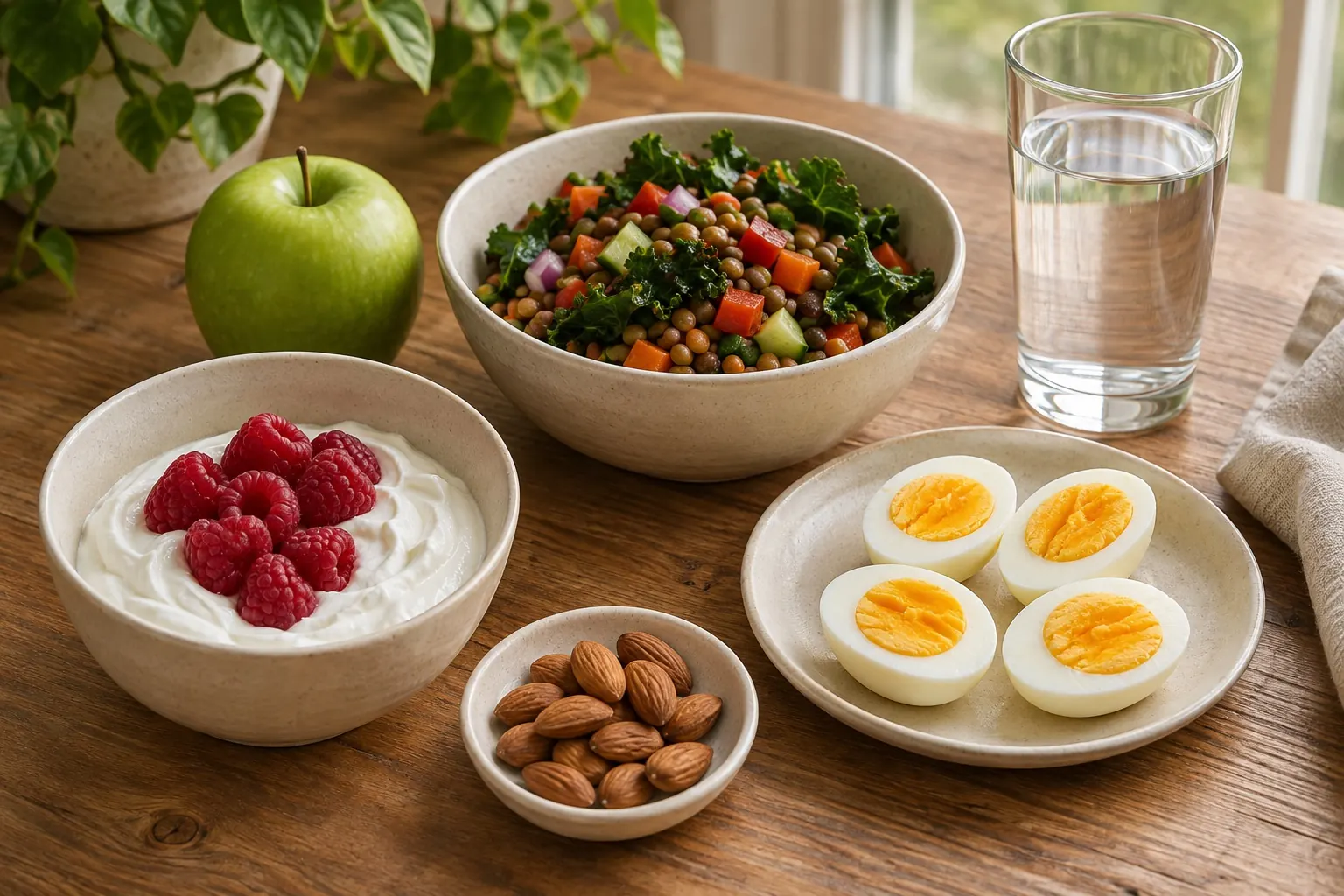
The short answer: what curbs appetite, ranked by evidence
- Protein at every meal: higher-protein meals raise fullness in controlled studies. Solid evidence, and easy to act on.
- Enough sleep: in sleep-restriction studies, people ate about 385 more calories a day when they slept less. Strong signal.
- Eating more slowly: slower eating led to lower intake at the meal in 22 studies. Moderate effect.
- Fiber-rich whole foods: linked to lower body weight, but most fibers didn't cut appetite in short studies. Oat beta-glucan is one of the exceptions.
- Fewer ultra-processed foods: in trials, people ate faster and gained more weight on ultra-processed diets. Low certainty so far.
- Water instead of sugary drinks: water alone barely moved weight in trials, but swapping it for sugary drinks helped a little.
- Coffee, green tea and chili: small, short-lived effects at best.
None of these work like a prescription appetite medicine, and that's fine. Stacked together, they make the difference between fighting hunger all afternoon and barely noticing it.
1. Protein at every meal
Protein is the best-supported natural appetite suppressant you can eat. A 2016 meta-analysis found that higher-protein meals and snacks raised fullness ratings more than lower-protein ones over the following hours, both in its pooled analysis and across 28 studies in a broader count. The authors were careful to say the conditions were tightly defined, so the effect on real-world eating and weight is less certain.
Protein also takes more energy to process than carbohydrates or fat, according to a review of diet-induced thermogenesis, a small bonus covered in our guide on how to boost metabolism.
The Dietary Guidelines for Americans, 2025–2030, set a goal of 1.2 to 1.6 grams of protein per kilogram of body weight a day and advise prioritizing protein foods at every meal. For a 150-pound adult (68 kg), that's about 82 to 109 grams a day, or roughly 25 to 35 grams per meal. A cup of plain Greek yogurt alone has about 25 grams, according to USDA.
The easiest place to start is breakfast, which for many people is mostly carbohydrate. A protein coffee or a high-protein jar of overnight oats can bring it to 25 to 30 grams without much effort.
2. Fiber-rich foods
Fiber is linked to lower body weight in population studies, but the picture for appetite is more mixed than most articles admit. A 2013 systematic review of 44 publications found that most fibers tested in short studies didn't reduce appetite or food intake. A few did have support from more than one study: oat beta-glucan, rye bran and whole grain rye, lupin fiber and mixed high-fiber diets.
That points to whole foods rather than a single magic fiber. Beans, lentils, oats, berries and vegetables bring fiber together with water, volume and, in the case of legumes, protein. MedlinePlus notes that Americans eat about 16 grams of fiber a day on average, against a recommendation of 21 to 38 grams.
If you're increasing fiber, do it gradually over a few weeks and drink plenty of fluids, as MedlinePlus advises, to avoid gas and cramps. Our guide to high-fiber foods lists the best sources, and a chia seed pudding is an easy way to add about 15 grams in one serving.
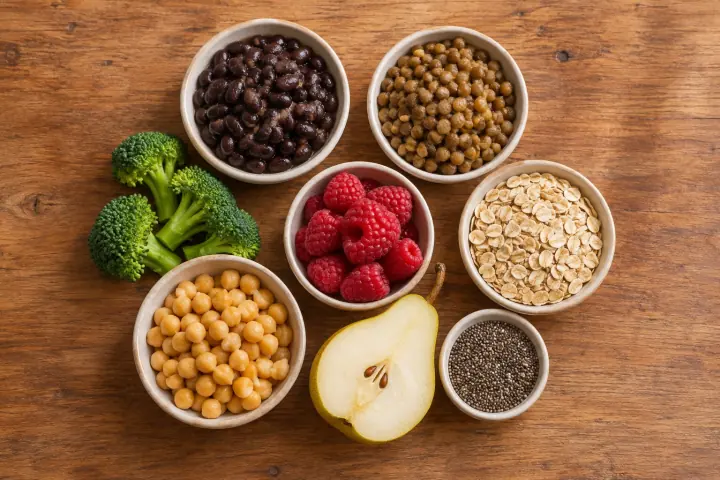
Foods that make you feel full
The most filling foods tend to have protein, fiber or both, for a modest number of calories. Here are everyday options with their numbers from USDA FoodData Central.
| Food | Calories | Protein | Fiber |
|---|---|---|---|
| Plain nonfat Greek yogurt, 1 cup | 145 | 25 g | 0 g |
| Roasted chicken breast, 3 oz | 140 | 26 g | 0 g |
| Hard-boiled eggs, 2 large | 155 | 13 g | 0 g |
| Cooked lentils, 1/2 cup | 115 | 9 g | 8 g |
| Cooked black beans, 1/2 cup | 115 | 8 g | 8 g |
| Cooked chickpeas, 1/2 cup | 135 | 7 g | 6 g |
| Edamame, 1/2 cup | 95 | 9 g | 4 g |
| Oatmeal cooked with water, 1 cup | 165 | 6 g | 4 g |
| Raspberries, 1 cup | 65 | 1 g | 8 g |
| Pear, 1 medium | 100 | 1 g | 6 g |
| Air-popped popcorn, 3 cups | 95 | 3 g | 4 g |
| Almonds, 1 oz (about 23) | 165 | 6 g | 4 g |
Values from USDA FoodData Central, rounded. Brands and portions vary, so use the Nutrition Facts label on packaged foods.
Notice the pattern: a cup of raspberries or three cups of popcorn give a lot of food for under 100 calories, while almonds pack the same calories into a small handful. Nuts are still a good snack, but measure them if you're watching calories.
3. Sleep at least 7 hours
Sleep is the appetite suppressant people overlook most. In a 2017 meta-analysis of sleep-restriction studies, people who were kept short of sleep ate about 385 more calories a day than when they slept normally, with no meaningful change in the calories they burned. Over weeks, that gap adds up.
The CDC recommends 7 or more hours a night for adults aged 18 to 60, 7 to 9 hours for ages 61 to 64, and 7 to 8 hours from 65 on. If late-night snacking is your weak spot, an earlier, steadier bedtime may help more than any snack swap. Our 12-minute wind-down routine is a good place to start.

4. Slow down at meals
Eating more slowly is free and surprisingly well studied. A 2014 meta-analysis of 22 studies found that a slower eating rate led to lower food intake at the meal, although people didn't report feeling less hungry afterward.
Practical ways to slow down: put your fork down between bites, start with a salad or a broth-based soup, eat at a table rather than at your desk or in the car, and keep your phone out of reach while you eat. The NIH's National Center for Complementary and Integrative Health notes emerging evidence that mindful eating may help as a complement to other weight-loss approaches.
5. Water, and what it replaces
Drinking water is the classic tip, but the trials are less impressive than the advice. A 2024 meta-analysis of 8 randomized trials in people with overweight or obesity found that promoting water intake didn't significantly change weight, BMI or waist size overall.
Where water helped was as a swap. In trials that replaced sugary drinks with water, people lost a little more weight, about 0.8 kg (under 2 pounds) on average, a result that was close to the line of statistical significance. So drink water because it replaces something, not because it melts hunger. Our guide to cutting sugary drinks has a four-week plan.
6. Fewer ultra-processed foods
A 2026 meta-analysis of 10 randomized trials compared ultra-processed diets with less processed ones. People on the ultra-processed diets ate faster and gained more weight, and they tended to eat more calories, though that result varied by analysis. The authors rated the certainty as low and noted that the ultra-processed diets were often more energy-dense, which may explain much of the effect.
In everyday terms: foods you have to chew, peel or cook slow you down, and that alone may help.
Does coffee suppress appetite? What about green tea and chili?
These are the ingredients most often sold as natural appetite suppressants, and the effects are real but small.
- Coffee and caffeine: a 2019 meta-analysis of 13 trials linked caffeine to small reductions in weight and body fat, with large differences between studies. A 2024 network meta-analysis of 22 trials found no significant weight effect for coffee compared with placebo. Many people feel less hungry right after a cup, but don't count on it to carry you to lunch.
- Green tea: the same 2024 analysis found a small weight loss with green tea, about 1.2 kg (under 3 pounds) versus placebo, rated low-certainty evidence. NCCIH says the catechins and caffeine in green tea may have a modest effect on body weight.
- Chili peppers: a 2014 meta-analysis found that capsaicinoids, the compounds that make chili hot, reduced intake at the following meal by about 74 calories, with high variation between studies. The authors suggested a minimum of about 2 mg of capsaicinoids is needed.
If you enjoy them, coffee, green tea and spicy food are fine additions. Just keep caffeine within the FDA's 400 mg a day for most adults, as our protein coffee guide explains.
How to curb your appetite: a day that puts it together
- Breakfast with 25 to 30 grams of protein, such as Greek yogurt with berries and oats, or eggs with whole-grain toast.
- Coffee or tea if you like it, unsweetened or lightly sweetened.
- Lunch built around beans, lentils, chicken or fish plus vegetables, eaten at a table.
- An afternoon snack planned in advance, such as a pear with a measured ounce of almonds, instead of whatever is in the break room.
- Water with every meal in place of soda or juice.
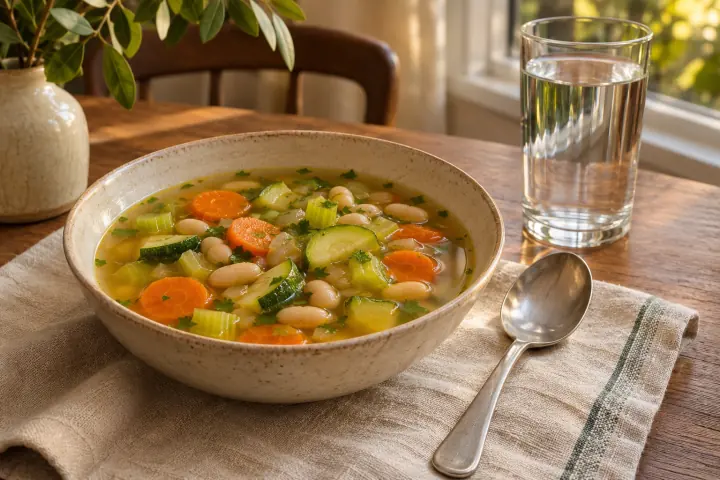
- Dinner started with a salad or broth-based soup, eaten slowly.
- A screen-off wind-down and 7 or more hours in bed.
Why am I always hungry?
Constant hunger usually has an everyday cause: meals low in protein and fiber, short sleep, sugary drinks, eating fast or skipping meals and then overeating later. Work through the habits above for two weeks and most people notice a difference.
Sometimes hunger is a symptom. The CDC lists increased thirst and hunger, frequent urination, losing weight without trying, fatigue and blurry vision among the symptoms of diabetes. NIDDK lists weight loss despite an increased appetite, a rapid or irregular heartbeat, nervousness and trouble tolerating heat among the symptoms of an overactive thyroid. Some medicines also increase appetite. If any of that sounds familiar, see your doctor rather than trying to suppress the hunger.
What about appetite suppressant pills and supplements?
This is where caution pays. NCCIH lists supplements researchers have studied for weight loss, among them green tea extracts, fish oil, chitosan and bitter orange, and says none have been shown to be effective, and each has side effects. It also warns that what's on a supplement label may not be what's in the bottle.
The FDA goes further: it says many products that claim to help with weight loss, including diet pills and weight loss supplements and teas, are likely to be contaminated with dangerous hidden ingredients, and it keeps a public list of tainted products. Buy only from a brand's official store or a reputable retailer, and be wary of anything that promises fast results.
Prescription appetite medicines are a different category. NIDDK explains that some help you feel less hungry or full sooner, and that they're generally for adults with a BMI of 30 or more, or 27 or more with a weight-related health problem such as high blood pressure or type 2 diabetes. Combined with a lifestyle program, people taking them lost 3% to 12% more of their starting weight after a year than people in a lifestyle program alone. That's a conversation for your doctor.
Appetite products we've reviewed
If you've got the basics in place and want a simple daily habit on top, these are the appetite-focused products we've reviewed. The appetite claims belong to the brands, and we found no independent trial of any of these formulas. Research on their individual ingredients shows small effects at best.
- Hinuki is a caffeine-free pomegranate jelly stick with a fully published label: 800 mg of garcinia extract and about 0.9 g of prebiotic fiber in 10 calories. The brand says it helps you feel satisfied after meals. A meta-analysis of garcinia trials found a small, short-term weight loss of uncertain practical value, and a review of the fiber family it uses found no clear effect on appetite.
- Bryo is an instant Arabica coffee with berberine, L-carnitine and garcinia among its added ingredients. Its promise of hours without hunger is the brand's claim. It fits best if you'd drink coffee anyway.
- Akemi Coffee Boost is a flavorless sachet you stir into coffee or tea, with two fibers (resistant dextrin and psyllium) plus plant extracts. The brand says it helps curb cravings, and its FAQ lists about 30 mg of caffeine per sachet.
- Slimqa is a powdered coffee blend in daily sachets. Its 30-day guarantee is tied to appetite: the brand offers a full refund if you don't notice a difference.
If you take medication, especially for diabetes, or you're pregnant or nursing, check with your doctor first.
When to see a doctor
- You're hungry all the time along with increased thirst, frequent urination, blurry vision or weight loss you can't explain. These can be signs of diabetes, according to the CDC.
- You're losing weight despite eating more, with a fast heartbeat, nervousness or heat intolerance, which NIDDK lists among the symptoms of hyperthyroidism.
- Your appetite changed after starting a new medicine. Don't stop it on your own; ask the prescriber.
- You feel out of control around food, binge regularly, or restrict to the point of feeling unwell. A doctor or registered dietitian can help.
- You have a BMI of 30 or more, or 27 or more with a condition such as high blood pressure or type 2 diabetes, and lifestyle changes haven't been enough. Ask whether prescription treatment fits you, as NIDDK describes.
- You're pregnant, nursing, managing a chronic disease, or considering any appetite supplement while taking medication.
Appetite products we've reviewed
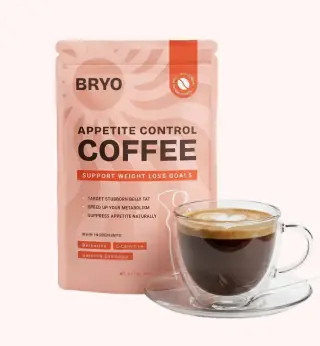
Bryo review
Daily coffee drinkers who want a flavored instant coffee with appetite-focused ingredients, alongside sensible eating. From $0.60 a day.
Read the review
Hinuki review
People who'd rather chew a small jelly than swallow capsules and want a simple habit around meals. From $3.00 a day.
Read the review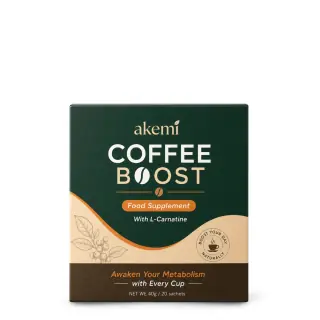
Akemi Coffee Boost review
Coffee drinkers who want a flavorless daily add-in alongside a balanced diet. From $1.11 a day.
Read the review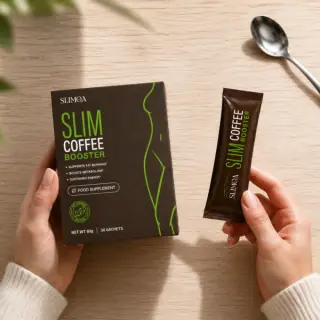
Slimqa Coffee Booster review
Coffee drinkers who want one simple daily habit alongside a balanced diet. From $0.67 a day.
Read the review
FAQ
What is the best natural appetite suppressant?
Protein has the best evidence: in a 2016 meta-analysis, higher-protein meals raised fullness more than lower-protein ones. Getting at least 7 hours of sleep and eating more slowly also have solid research behind them.
Does drinking water suppress appetite?
Not much on its own. A 2024 meta-analysis found that promoting water intake didn't significantly change weight. It helped a little when water replaced sugary drinks.
Does coffee suppress appetite?
Slightly and briefly. Caffeine was linked to small reductions in weight in a 2019 meta-analysis, but a 2024 analysis of 22 trials found no significant weight effect for coffee compared with placebo.
What foods make you feel full the longest?
Foods with protein, fiber or both: Greek yogurt, eggs, chicken, fish, beans, lentils, oats, berries and pears. Air-popped popcorn and broth-based soups give a lot of volume for few calories.
How can I stop feeling hungry at night?
Eat enough protein earlier in the day, plan a filling evening snack instead of grazing, and protect your sleep. In sleep-restriction studies, people ate about 385 more calories a day when short of sleep.
Are appetite suppressant pills safe?
Be careful with supplements. NCCIH warns that labels may not match what's in the bottle, and the FDA says many weight-loss pills, supplements and teas are likely to contain dangerous hidden ingredients. Prescription appetite medicines are a separate category that your doctor can assess.
Sources
- The Effects of Increased Protein Intake on Fullness: A Meta-Analysis and Its Limitations, J Acad Nutr Diet (2016), PubMed
- The effect of fiber on satiety and food intake: a systematic review, J Am Coll Nutr (2013), PubMed
- The effects of partial sleep deprivation on energy balance: a systematic review and meta-analysis, Eur J Clin Nutr (2017), PubMed
- Diet induced thermogenesis, Nutr Metab (Lond) (2004), PubMed
- A systematic review and meta-analysis examining the effect of eating rate on energy intake and hunger, Am J Clin Nutr (2014), PubMed
- Water Intake and Adiposity Outcomes among Overweight and Obese Individuals: A Systematic Review and Meta-Analysis of Randomized Controlled Trials, Nutrients (2024), PubMed
- A systematic review and meta-analysis of randomized controlled trials examining the effect of ultra-processed food on energy intake and weight gain, Crit Rev Food Sci Nutr (2026), PubMed
- The effects of caffeine intake on weight loss: a systematic review and dose-response meta-analysis of randomized controlled trials, Crit Rev Food Sci Nutr (2019), PubMed
- Comparative effects of tea and coffee drinking on body weight in adults: a systematic review and network meta-analysis of randomised trials, Br J Nutr (2024), PubMed
- Could capsaicinoids help to support weight management? A systematic review and meta-analysis of energy intake data, Appetite (2014), PubMed
- The Use of Garcinia Extract (Hydroxycitric Acid) as a Weight loss Supplement: A Systematic Review and Meta-Analysis of Randomised Clinical Trials, J Obes (2011), PubMed
- Effects of inulin-type fructans on appetite, energy intake, and body weight in children and adults: systematic review of randomized controlled trials, Ann Nutr Metab (2013), PubMed
- Dietary Guidelines for Americans, 2025–2030, USDA and HHS
- Fiber, MedlinePlus Medical Encyclopedia (National Library of Medicine)
- About Sleep, CDC
- Weight Control and Complementary Health Approaches, NCCIH
- Green Tea: Usefulness and Safety, NCCIH
- Spilling the Beans: How Much Caffeine Is Too Much?, FDA
- Tainted Weight Loss Products, FDA
- Prescription Medications to Treat Overweight & Obesity, NIDDK
- Diabetes Symptoms, CDC
- Hyperthyroidism (Overactive Thyroid), NIDDK
- Yogurt, Greek, nonfat milk, plain (FDC ID 2705424), USDA FoodData Central
- Chicken, broilers or fryers, breast, meat only, cooked, roasted (FDC ID 171477), USDA FoodData Central
- Egg, whole, cooked, hard-boiled (FDC ID 173424), USDA FoodData Central
- Lentils, mature seeds, cooked, boiled, without salt (FDC ID 172421), USDA FoodData Central
- Beans, black, mature seeds, cooked, boiled, without salt (FDC ID 173735), USDA FoodData Central
- Chickpeas, mature seeds, cooked, boiled, without salt (FDC ID 173757), USDA FoodData Central
- Edamame, frozen, prepared (FDC ID 168411), USDA FoodData Central
- Cereals, oats, regular and quick, cooked with water, without salt (FDC ID 173905), USDA FoodData Central
- Raspberries, raw (FDC ID 167755), USDA FoodData Central
- Pears, raw (FDC ID 169118), USDA FoodData Central
- Snacks, popcorn, air-popped (FDC ID 167959), USDA FoodData Central
- Nuts, almonds (FDC ID 170567), USDA FoodData Central
This guide is general information, not medical advice. Talk to your doctor before making changes to your diet, sleep or exercise routine.