
Coffee
Mushroom Coffee Benefits: What Lion's Mane, Reishi, Chaga and Cordyceps Really Do
Mushroom coffee benefits are mostly unproven: the coffee in the blend brings its usual perks, while lion's mane, reishi, chaga and cordyceps have only a handful of small human trials, none of them testing mushroom coffee itself. Below is what each mushroom has shown in people, how the caffeine compares with regular coffee, and who should skip it.
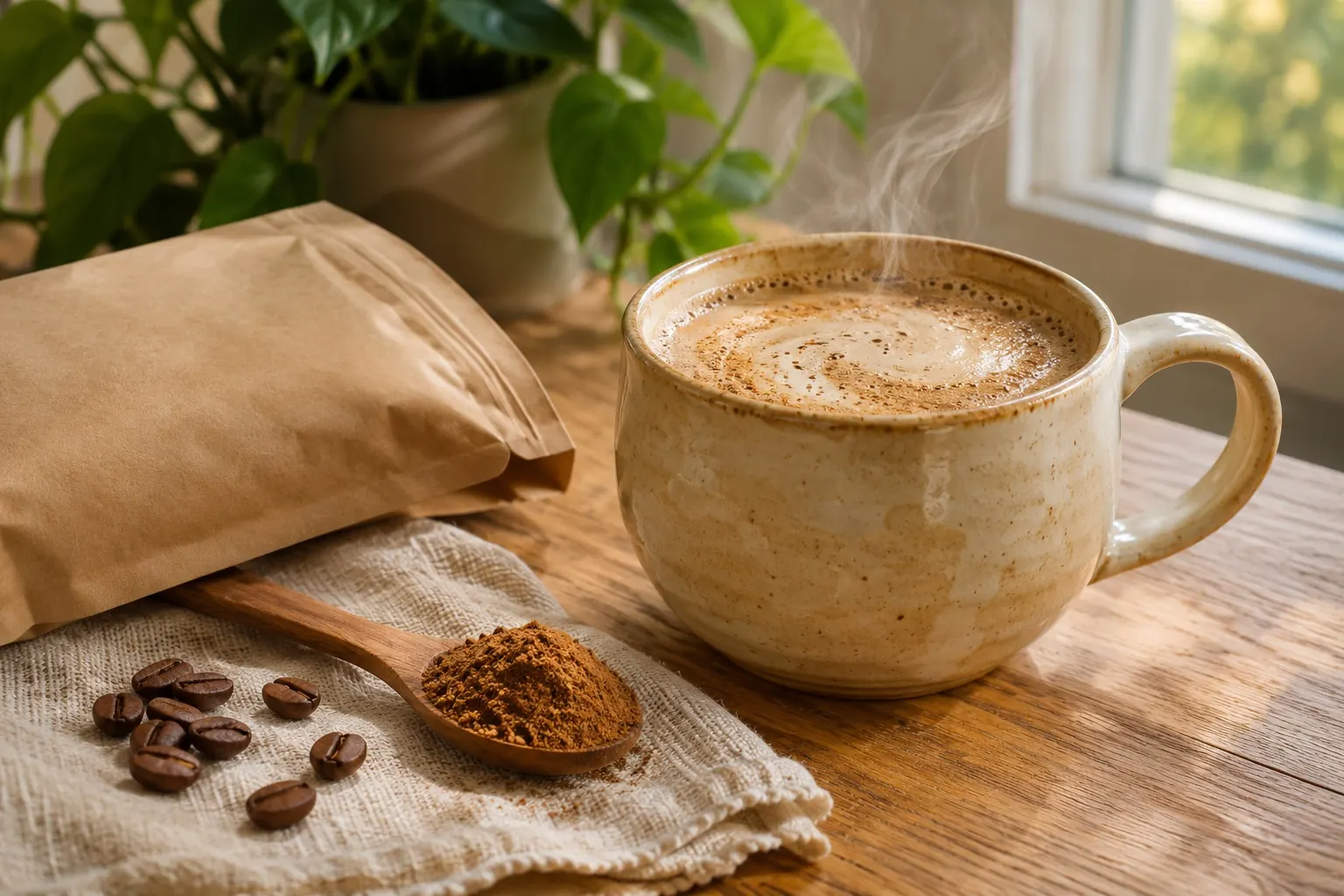
What is mushroom coffee?
Mushroom coffee is ordinary ground or instant coffee blended with powdered extracts of so-called functional mushrooms. The four you'll see most often on labels are lion's mane, reishi, chaga and cordyceps.
The coffee does most of what you'll actually notice: the taste, the caffeine and the morning ritual. The mushroom part is where the health claims live, such as focus, calm, immunity and energy. Those claims belong to the brands, and the research behind them is thinner than the marketing suggests.
Mushroom coffee is sold as a food or a dietary supplement. The FDA isn't authorized to review dietary supplements for safety and effectiveness before they're sold, and the NIH's National Center for Complementary and Integrative Health (NCCIH) warns that what's on the label may not be what's in the product. A brand that publishes third-party test results gives you more to go on.
Is mushroom coffee good for you?
For most healthy adults, mushroom coffee is a perfectly fine cup of coffee. It just isn't a proven upgrade over regular coffee. Here's the evidence in three parts.
- The coffee: a 2017 umbrella review in The BMJ, which pulled together more than 200 meta-analyses of mostly observational studies, found coffee more often linked to benefit than harm. The largest drop in risk came at three to four cups a day, including about 17% lower risk of death from any cause. Observational data can't prove cause and effect, and the review flagged higher risks with heavy coffee drinking in pregnancy.
- The mushrooms: the human trials are few and small, and they tested mushroom extracts in capsules or powders at set doses, not mushroom coffee. We found no systematic review of mushroom coffee blends as they're sold.
- The dose: in the reishi trials Cochrane could analyze, people took 1.4 to 3 grams a day. If a blend doesn't say how many milligrams of each mushroom a serving holds, you can't compare it with any study.
So if you like the taste and the price, there's no strong reason to avoid it. If you're paying extra for a specific benefit, the research below is what you're paying for.
The four mushrooms in mushroom coffee, side by side
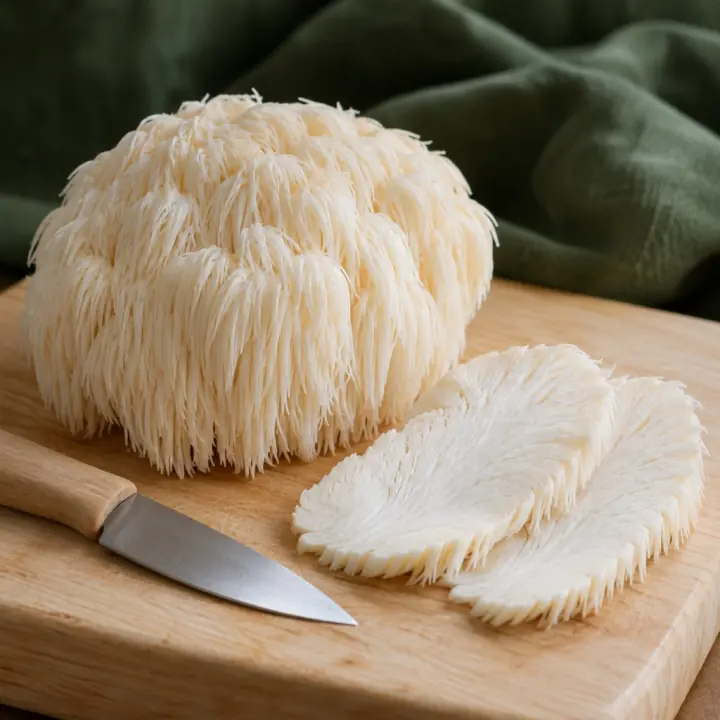
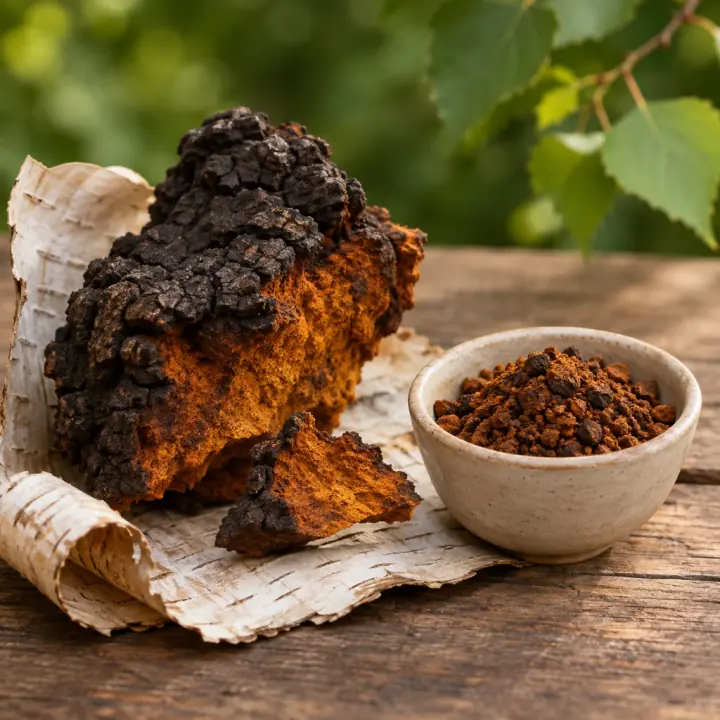
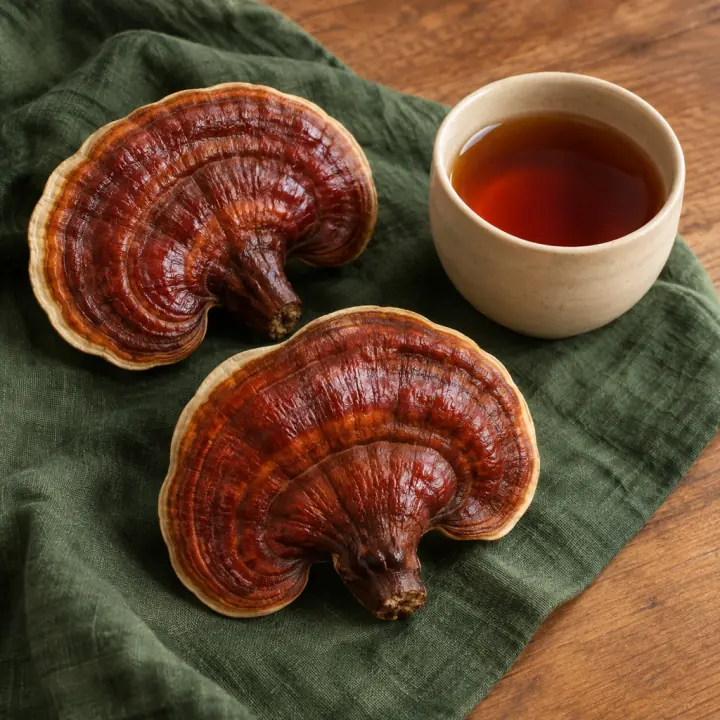
Lion's mane, chaga and reishi are the most common on labels, with cordyceps close behind. This is what systematic reviews of human studies found for each one.
| Mushroom | Usually sold for | What reviews of human studies found | Strength of evidence |
|---|---|---|---|
| Lion's mane | Focus and memory | 5 randomized and 3 pilot trials; memory test scores about 1 point higher in the 2 studies that could be pooled | Very limited |
| Reishi | Immunity, calm, blood sugar | No meaningful change in blood sugar, cholesterol or blood pressure in people with type 2 diabetes (5 trials, 398 people) | Limited, mostly negative |
| Chaga | Immunity, antioxidants | No clinical trials of benefit or safety; case reports of kidney damage after months of daily chaga powder | Lab and animal studies only |
| Cordyceps | Energy and stamina | Small gains in some endurance measures in athletes, from a handful of small trials | Limited |
See Sources for each review and case report. None of these studies tested a mushroom coffee product.
Lion's mane coffee benefits
Lion's mane is the mushroom behind most focus claims. A 2025 systematic review found five randomized controlled trials and three small pilot trials in people, mostly on memory and thinking in adults with and without dementia. In the two studies that could be combined, scores on a common memory screening test rose by about 1 point (1.17) compared with the control groups.
Everything else in that review, from mood and nerve growth to gut bacteria, came from lab dishes and animals. The reviewers listed stomach discomfort, headache and allergic reactions as possible side effects, although they're rarely reported.
The fair summary: interesting early research, not enough to promise sharper focus from a cup a day. If your mushroom coffee makes you feel more alert, remember that caffeine is a well-documented stimulant on its own.
Chaga mushroom benefits, and the kidney warning
Chaga is a hard, black growth found mostly on birch trees. Its antioxidant and immune claims come from lab and animal studies. Memorial Sloan Kettering Cancer Center's herb database notes that the safety and efficacy of chaga have yet to be evaluated in clinical studies.
The safety signal involves the kidneys. Chaga is very high in oxalate, a compound that can form crystals in kidney tissue. Doctors in Korea have published two case reports: a 49-year-old man who developed end-stage kidney disease after long-term use of chaga powder, and a 69-year-old man who took 10 to 15 grams of chaga powder a day, along with vitamin C, for three months and needed dialysis before his kidneys recovered.
Case reports can't show how common this is, and both involved large daily amounts of powder. Still, if you have kidney disease or a history of kidney stones, a chaga blend is one to skip. The same database notes, based on lab data, that chaga may raise bleeding risk with blood thinners such as warfarin and may add to the effect of diabetes medicines, though the clinical relevance isn't known.
Reishi mushroom benefits
Reishi, also called lingzhi, has the most human research of the four. A Cochrane review found 5 trials with 398 people. In the three trials with usable data, all in people with type 2 diabetes, 1.4 to 3 grams of reishi a day for 12 to 16 weeks didn't meaningfully lower blood sugar (HbA1c), cholesterol or blood pressure compared with placebo. People taking reishi reported more side effects, though none were serious.
A second Cochrane review, in people with cancer, found no evidence to use reishi as a first-line treatment. Added to chemotherapy or radiation, it was linked to a better tumor response in trials the reviewers rated as generally poor quality. That's a conversation for an oncology team, not a coffee label.
On safety, LiverTox, the NIH's database on drug-induced liver injury, describes reishi as well tolerated, with rare single reports of acute liver injury in which other causes often weren't ruled out.
Cordyceps: the energy mushroom
Cordyceps is sold for energy and stamina. A 2025 meta-analysis gathered 14 randomized trials of mushroom supplements in 528 athletes. In the few small trials that could be pooled, Cordyceps sinensis was linked to modest improvements in endurance performance and peak oxygen uptake, while reishi lowered blood lactate and urea, two markers of exercise strain.
Those were trained athletes taking set doses of a supplement for weeks, so the results say little about a scoop of cordyceps blend in your morning coffee.
Does mushroom coffee have caffeine?
Usually, yes. Unless the label says it's coffee-free, mushroom coffee contains real coffee, and its caffeine depends on how much coffee is in each serving. When part of a scoop is mushroom powder instead of coffee, that scoop holds less coffee, and so less caffeine, than a full scoop of coffee would. The label is the only way to know the actual number. Tea drinkers can compare it with green tea for weight loss.

| Drink | Caffeine |
|---|---|
| Coffee, 8 oz | 95 to 200 mg |
| Regular brewed coffee, 12 oz | 113 to 247 mg |
| Mushroom coffee, 1 serving | Depends on how much coffee is in the blend; check the label |
| Decaf coffee, 8 oz | 2 to 15 mg |
| Tea, 8 oz | 14 to 60 mg |
| Green tea, 12 oz | about 37 mg |
Sources: MedlinePlus (8-ounce coffee and tea) and FDA (12-ounce coffee, decaf and green tea).
Is mushroom coffee better than regular coffee? If your goal is less caffeine, a lower-caffeine blend can help, and so can half-caf or decaf. For most adults, the FDA cites 400 mg of caffeine a day as an amount not generally linked to negative effects.
If you'd rather your coffee did something you can measure, our protein coffee recipe turns one cup into about 29 grams of protein.
Mushroom coffee side effects
Most side effects come from one of two places: the caffeine or the mushroom.
- From the caffeine: a faster heart rate, palpitations, higher blood pressure, trouble sleeping, anxiety, jitters, upset stomach, nausea and headache, according to the FDA.
- From lion's mane: stomach discomfort, headache and allergic reactions, although they're rarely reported.
- From reishi: more mild side effects than placebo in trials, and rare reports of liver injury.
- From chaga: case reports of oxalate kidney damage with large daily amounts taken for months, plus possible interactions with blood thinners and diabetes medicines.
- From any supplement: interactions with your medicines. NCCIH notes that dietary supplements may interact with medications or pose risks if you have certain medical problems.
If you want to try a blend, a half serving for the first week is an easy way to see how your stomach and your sleep respond.
Who should skip mushroom coffee
- People who are pregnant, trying to get pregnant or breastfeeding. NCCIH notes that many supplements haven't been tested in pregnant women, nursing mothers or children, and the FDA recommends talking with your provider about caffeine.
- Anyone with kidney disease or a history of kidney stones, especially with blends that contain chaga.
- People who take blood thinners or diabetes medicines, or who have surgery coming up. NCCIH advises telling your surgical team about every supplement you take.
- People with liver disease, given the rare liver reports with reishi, and anyone with a known mushroom allergy.
- People who are sensitive to caffeine, including those with anxiety, insomnia, reflux or ulcers, heart rhythm problems or high blood pressure. MedlinePlus lists these as reasons to check with your provider about caffeine.
- Children and teens, who, as MedlinePlus puts it, shouldn't have as much caffeine as adults.
Is mushroom coffee good for weight loss?
We found no trial of mushroom coffee for weight loss. Caffeine itself has a small effect: a 2019 meta-analysis of 13 randomized trials with 606 people linked caffeine intake to small reductions in weight, BMI and body fat, with results that varied widely between studies. That's the coffee at work, not the mushrooms.
If weight is the goal, what you add to the cup, like syrups and sweetened creamers, matters more than which mushroom is in it. Our guide on how to boost metabolism puts coffee next to the habits with bigger effects, such as strength training and protein.
Other functional coffees we've looked at
Mushroom coffee is one kind of functional coffee. If you're after a coffee with appetite or weight claims instead, these are the three coffee products we've reviewed. None of them contains mushrooms, their claims are the brands', and we found no independent trial of any of the three formulas.
- Akemi Coffee Boost isn't a coffee itself but a flavorless sachet you stir into the cup you already drink. The brand lists green tea extract, green coffee bean extract, white kidney bean extract, mulberry leaf, L-carnitine and two fibers, and says each sachet adds about 30 mg of caffeine.
- Slimqa is a powdered coffee blend, one sachet a day with a meal. The box names L-carnitine, green coffee extract and capsicum, and the sales page adds berberine, green tea extract and chromium. Caffeine per serving isn't listed.
- Bryo is an instant Arabica coffee with berberine, L-carnitine, garcinia and L-theanine among its added ingredients, sweetened with stevia. The brand doesn't publish its caffeine content.
If you take any medication, especially for blood sugar, check with your doctor before adding one of them.
When to see a doctor
- You have a racing or irregular heartbeat, chest pain, high blood pressure readings, or anxiety and sleep trouble that started or got worse with more coffee. The FDA advises talking with a health care professional about caffeine if you have symptoms like these.
- You notice signs of liver trouble, such as yellowing of the skin or eyes, dark urine or belly pain, while using any mushroom or herbal product.
- You have kidney disease, a history of kidney stones, or an abnormal kidney test and you use a chaga product.
- You get a rash, hives, swollen lips or trouble breathing after a new blend. Trouble breathing needs emergency care.
- You're pregnant, breastfeeding, managing a chronic condition or taking prescription medicine and want to start a mushroom supplement. Ask your doctor or pharmacist first.
Coffee products we've reviewed
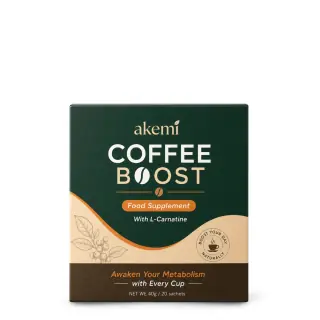
Akemi Coffee Boost review
Coffee drinkers who want a flavorless daily add-in alongside a balanced diet. From $1.11 a day.
Read the review
Slimqa Coffee Booster review
Coffee drinkers who want one simple daily habit alongside a balanced diet. From $0.67 a day.
Read the review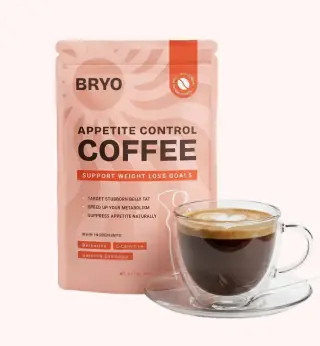
Bryo review
Daily coffee drinkers who want a flavored instant coffee with appetite-focused ingredients, alongside sensible eating. From $0.60 a day.
Read the review
FAQ
Is mushroom coffee good for you?
For most healthy adults it's a fine cup of coffee, but not a proven upgrade. The mushrooms in it have only a few small human trials, and none of them tested mushroom coffee itself.
Does mushroom coffee have caffeine?
Usually, yes, because most blends contain real coffee. How much depends on the coffee in each serving, so check the label. For comparison, MedlinePlus puts an 8-ounce cup of coffee at 95 to 200 mg.
What does mushroom coffee do?
It does what coffee does: it tastes like coffee and delivers caffeine. Claims about focus, calm or immunity come from small studies of mushroom extracts, many of them in labs and animals.
What are the side effects of mushroom coffee?
Caffeine effects such as jitters, a racing heart or poor sleep, plus occasional stomach upset, headache or allergic reactions. Chaga has been linked to kidney damage in case reports involving large daily amounts.
Is mushroom coffee safe during pregnancy?
It hasn't been studied. NCCIH notes that many supplements haven't been tested in pregnancy, and the FDA recommends asking your provider about caffeine, so talk to yours before trying it.
Is lion's mane coffee good for focus?
Possibly a little, but the evidence is thin. A 2025 review found five randomized trials, and in the two that could be pooled, memory test scores were about 1 point higher.
Sources
- Using Dietary Supplements Wisely, NCCIH
- Coffee consumption and health: umbrella review of meta-analyses of multiple health outcomes, BMJ (2017), PubMed
- Benefits, side effects, and uses of Hericium erinaceus as a supplement: a systematic review, Front Nutr (2025), PubMed
- Ganoderma lucidum mushroom for the treatment of cardiovascular risk factors, Cochrane Database Syst Rev (2015), PubMed
- Ganoderma lucidum (Reishi mushroom) for cancer treatment, Cochrane Database Syst Rev (2016), PubMed
- Lingzhi, Reishi, LiverTox (NIDDK), PubMed record
- Chaga Mushroom, About Herbs, Memorial Sloan Kettering Cancer Center
- Development of End Stage Renal Disease after Long-Term Ingestion of Chaga Mushroom: Case Report and Review of Literature, J Korean Med Sci (2020), PubMed
- Chaga mushroom-induced oxalate nephropathy that clinically manifested as nephrotic syndrome: a case report, Medicine (2022), PubMed
- Effects of fungal supplementation on endurance, immune function, and hematological profiles in adult athletes: a systematic review and meta-analysis, Front Nutr (2025), PubMed
- Caffeine, MedlinePlus (National Library of Medicine)
- Spilling the Beans: How Much Caffeine Is Too Much?, FDA
- The effects of caffeine intake on weight loss: a systematic review and dose-response meta-analysis of randomized controlled trials, Crit Rev Food Sci Nutr (2019), PubMed
- United States Pharmacopeia (USP) comprehensive review of the hepatotoxicity of green tea extracts (symptoms of liver trouble), Toxicol Rep (2020), PubMed
This guide is general information, not medical advice. Talk to your doctor before making changes to your diet, sleep or exercise routine.