
Foot care
Detox Foot Pads: Do They Work, and Are They Worth Trying?
Detox foot pads are adhesive patches worn on the soles overnight, and no trustworthy scientific evidence shows they draw toxins out of your body. Many people still like them as a bedtime ritual, so here's what's in them, why they turn dark, how to use them comfortably and which foot symptoms need a doctor instead.

What are detox foot pads?
Detox foot pads, also sold as detox foot patches, foot detox pads, detox pads for feet or deep cleansing foot pads, are small adhesive pads you stick to the soles of your feet at bedtime and peel off in the morning. Inside is usually a blend of plant and mineral powders. Wood vinegar and bamboo vinegar are common ingredients, often alongside herbs, minerals such as tourmaline, or vitamins.
Makers say the pads draw toxins, including heavy metals, out through your feet while you sleep. As Mayo Clinic describes it, the pads may look darker or change color by morning, and that change is supposed to show that toxins have left your body.
Do detox foot pads work?
Not in the way the packaging suggests. Mayo Clinic's answer is that no trustworthy scientific evidence shows detox foot pads work, and that no scientific studies have been published showing they work or that they're safe. When we searched PubMed, the National Library of Medicine's database of medical research, on November 12, 2026, we found no study testing detox foot pads at all.
The wider picture on detox products looks similar. The National Center for Complementary and Integrative Health (NCCIH) says research on detox programs in people comes down to a small number of low-quality studies, and that a 2015 review found no compelling research supporting detox diets for removing toxins. It also notes that the FDA and the FTC have taken action against several companies selling detox and cleansing products.
What the FTC did about detox foot pad claims
The Federal Trade Commission went after one heavily advertised brand of detox foot pads. According to the FTC, its marketers claimed the pads removed toxins, metabolic wastes, heavy metals and chemicals, treated headaches, depression, parasites, fatigue, insomnia and diabetes, and caused weight loss. The FTC alleged that the marketers falsely claimed the pads could treat illnesses and falsely claimed to have scientific proof that the pads removed toxic materials from the body.
In 2010, at the FTC's request, a federal judge banned those marketers from promoting or selling any dietary supplement, food, drug or medical device. They agreed to a $14.5 million judgment, equal to their total revenue from the pads, which was suspended because they couldn't pay. The settlement wasn't an admission of wrongdoing, and it didn't ban foot pads as such, but it's a useful yardstick: be wary of any pad sold as a cure.
Why do detox foot pads turn black? The color chart question
The darkening is real. What it means is the question. Consumer NZ, New Zealand's independent consumer organization, explains that the stains come from the wood vinegar in the pad reacting with sweat from your foot, and its testers got the same result by adding water to an unused patch. Brands describe the reaction in similar terms: Nuubu, for example, says its ingredients react with sweat and change the patch's color.
That's why the detox foot pads color charts you'll find online, matching shades of brown, gray or black to particular toxins or organs, don't hold up. A pad darkens when it meets moisture, so a dark pad after a warm night under the covers mostly tells you your feet sweated.
How your body actually detoxes
Your body already runs a full-time cleanup crew. According to the National Institute of Diabetes and Digestive and Kidney Diseases (NIDDK), your kidneys filter about 150 quarts of blood a day and remove wastes and extra fluid; only 1 to 2 quarts of that becomes urine. MedlinePlus describes the liver as the largest organ inside your body, one that helps you digest food, store energy and remove poisons.
Sweat's main job is different. MedlinePlus describes sweating as the body's natural way of regulating temperature: it helps you stay cool, and the liquid contains salt.
If you want to support the organs that do the real work, Mayo Clinic's suggestions are unglamorous: lose extra weight with a balanced diet and exercise, limit alcohol to no more than one drink a day for women and two for men, and get the hepatitis B vaccine if you haven't, especially if you're 59 or younger.
Why some people still enjoy detox foot pads
None of this makes you silly for liking them. For many people the appeal is the ritual itself: washing your feet, pressing on a patch, pulling on cozy socks and settling in for the night. A small routine that tells you the day is over can feel good, as long as you're clear about what the pad is and isn't doing.
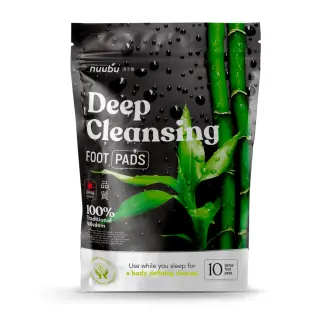
If that ritual appeals to you, Nuubu is the foot patch we've reviewed. The brand says its pads are inspired by traditional Asian wellness practices and lists loquat leaf, bamboo vinegar, wood vinegar, vitamin C, tourmaline, chitin, Houttuynia cordata and dextrin as ingredients. It says the patches support the body's natural way of removing toxins through the sweat glands. Those are the brand's claims, and Nuubu itself says its products aren't intended to diagnose, treat, cure or prevent any disease.
When we checked for our review on November 9, 2026, Nuubu held 4.1 out of 5 from more than 4,600 Trustpilot reviews, and most of the recent reviews we read said the patches worked for them and were easy to use. If you want to try it, the order page offers a One-Time Purchase or a monthly Subscribe & Save, so pick the first if you only want to test it.
How to use detox foot pads comfortably
If you decide to try them, treat the pad like any adhesive that sits on your skin for hours. MedlinePlus lists adhesives among the common causes of allergic contact dermatitis, an itchy, red rash where a substance touched the skin.
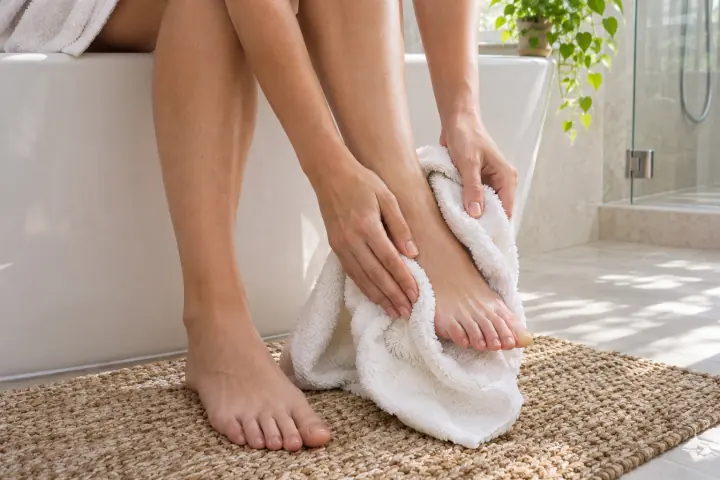
- Wash your feet and dry them well, including between the toes. A pad holds better on clean, dry skin.
- Try a patch test first: wear one pad on one foot for a shorter time, then check the skin before you use a pair overnight.
- Skip any foot with a cut, blister, rash or cracked skin. Mayo Clinic warns that placing a detox foot pad on infected skin, rashes or wounds might make symptoms worse.
- Press the pad onto the middle of the sole and follow the brand's timing. Nuubu, for example, says 6 to 8 hours, ideally overnight.
- Peel it off in the morning and wash your feet.
- Stop if your skin turns red, itchy or blistered, and wash the area with plenty of water. MedlinePlus advises contacting a provider if a skin reaction is severe, doesn't improve, or shows signs of infection such as tenderness, redness, warmth or fever.
Talk to your doctor first if you're pregnant or breastfeeding, have diabetes, poor circulation or numb feet, have a skin condition on your feet, or want to use pads on a child. Read the ingredient list too: Mayo Clinic notes some people may be allergic to one or more of the ingredients, and as we noted in our Nuubu review, chitin is often made from shellfish shells, so ask the brand about its source if you have a shellfish allergy.
Foot detox at home: what actually helps your feet
If what you're after is happier feet at the end of the day, simple foot care does more than any pad. The NIDDK's foot care advice, written for people with diabetes but sensible for anyone, starts with washing your feet with soap in warm, not hot, water, drying them well and putting a thin coat of lotion on the tops and bottoms of your feet, but not between the toes.
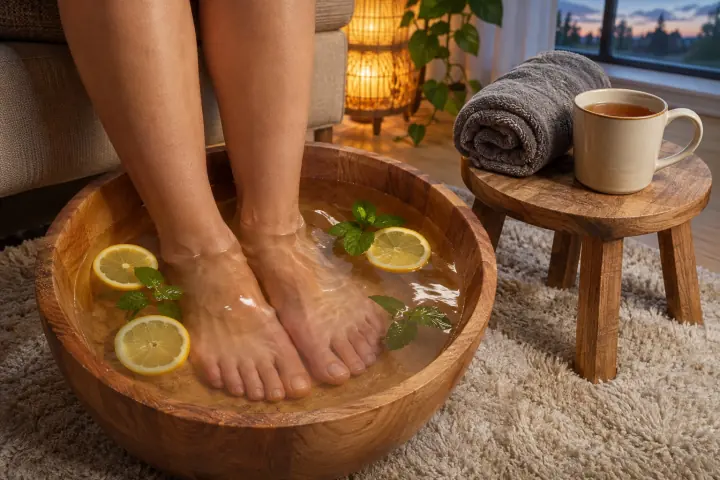
A warm foot soak can be a relaxing part of that routine for many people. If you have diabetes, though, skip it: the NIDDK advises against soaking because it dries the skin, and suggests testing wash water with a thermometer (90 to 95°F is safe) or your elbow.
What about ionic foot detox baths? A small 2012 study tested an ionic footbath with six healthy volunteers and found no sign that it pulled toxic elements out through the feet when the machine was run according to its instructions.
When to see a doctor about your feet
Foot pads aren't a fix for foot symptoms, and some of these symptoms shouldn't wait. Foot pads for neuropathy or swelling are no substitute for finding out what's causing it. See a doctor if you notice:
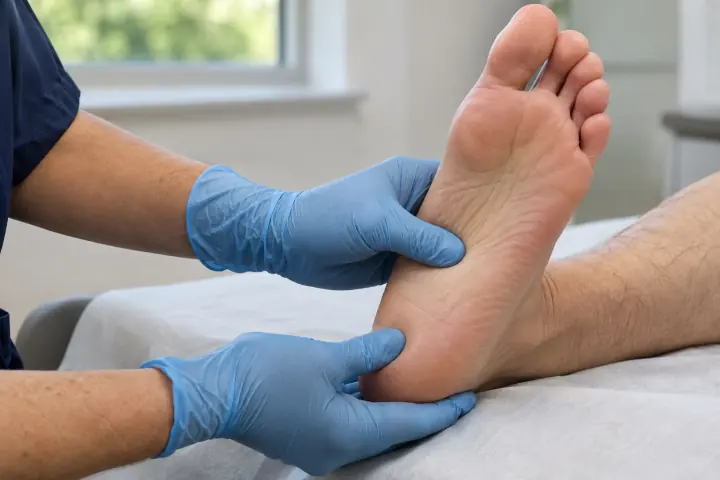
- New swelling in only one leg, a swollen area that's red or warm, or swelling with a fever, all signs MedlinePlus says to call your provider about right away.
- Sudden swelling, or more than mild swelling, during pregnancy.
- Numbness or tingling with no obvious cause, or numbness or tingling in your legs that gets worse when you walk.
- A cut, blister or bruise on your foot that doesn't start to heal after a few days, the NIDDK's warning sign for people with diabetes.
- Skin on your foot that turns red, warm or painful, which can signal an infection.
- Diabetes, at any point. The NIDDK advises checking your feet every day, between the toes too, for cuts, sores, red spots, swelling, blisters and warm spots, and calling your health care provider right away about signs of infection.
Call 911 if leg or foot swelling comes with shortness of breath or chest pain, or if numbness or tingling comes with weakness, slurred speech, a change in vision or difficulty walking. MedlinePlus lists these as emergencies.
Foot care products we've reviewed
FAQ
Do detox foot pads really work?
There's no trustworthy scientific evidence that they remove toxins, according to Mayo Clinic, and we found no published studies testing them. Your kidneys and liver do that job. Some people still enjoy them as a relaxing bedtime ritual.
Why do detox foot pads turn brown or black?
Because the ingredients, especially wood vinegar, react with moisture. Consumer NZ got the same dark stain by adding water to an unused patch, so the color isn't a measure of toxins.
Are detox foot pads safe?
For most adults with healthy skin, the main risk is irritation or an allergic rash from the adhesive or the ingredients. Mayo Clinic notes that no studies have shown the pads are safe, and warns against using them on wounds, rashes or infected skin. Ask your doctor first if you're pregnant, have diabetes or numb feet, or want to use them on a child.
Do detox foot pads have side effects?
The ones to watch for are redness, itching and blisters where the pad sat. MedlinePlus lists adhesives among the common causes of allergic contact dermatitis. Take the pad off, wash the skin with plenty of water, and see a provider if the reaction is severe or doesn't improve.
Do ionic foot detox baths work?
A small 2012 study found no sign that an ionic footbath pulled toxic elements out through the feet. As with the pads, the evidence doesn't back the detox claim.
How long do you leave detox foot pads on?
Follow the brand's directions. Most are made to be worn overnight; Nuubu, for example, says 6 to 8 hours. Take a pad off sooner if your skin feels sore or itchy.
Sources
- Detox foot pads: Do they really work? Mayo Clinic (2024)
- At FTC's Request, Judge Imposes Ban on Marketers of Detox Foot Pads, Federal Trade Commission (2010)
- "Detoxes" and "Cleanses": What You Need To Know, National Center for Complementary and Integrative Health
- Do detox foot patches work? Consumer NZ (2025)
- Your Kidneys & How They Work, National Institute of Diabetes and Digestive and Kidney Diseases
- Liver Diseases, MedlinePlus, National Library of Medicine
- Sweating, MedlinePlus Medical Encyclopedia, National Library of Medicine
- Contact dermatitis, MedlinePlus Medical Encyclopedia, National Library of Medicine
- Diabetes & Foot Problems, National Institute of Diabetes and Digestive and Kidney Diseases
- Foot, leg, and ankle swelling, MedlinePlus Medical Encyclopedia, National Library of Medicine
- Numbness and tingling, MedlinePlus Medical Encyclopedia, National Library of Medicine
- Objective assessment of an ionic footbath: testing its ability to remove potentially toxic elements from the body, J Environ Public Health (2012), PubMed
This guide is general information, not medical advice. Detox foot pads aren't a treatment for any condition. If you're pregnant, have diabetes, circulation problems or numb feet, or want to use them on a child, talk to your doctor first.