
Sleep
How to Stop Snoring: Fixes That Work, Natural Tips and the Signs of Sleep Apnea
The simplest answer to how to stop snoring: sleep on your side, skip alcohol and sleeping pills at bedtime, treat a stuffy nose and lose extra weight. If those aren't enough, mouth exercises and jaw-advancing mouthpieces have the most research behind them. And if the snoring comes with gasping or daytime sleepiness, get checked for sleep apnea.
Why do people snore?
Snoring is the sound of a partly blocked airway. MedlinePlus, the National Library of Medicine's health site, explains that as you fall asleep the muscles in your throat relax and your tongue slips back, and the soft tissues at the top of the airway strike each other and vibrate.
It's very common. A 2024 systematic review estimates that about 45% of adults snore occasionally and 25% snore regularly, more often men and, after menopause, more women. MedlinePlus lists these common causes in adults:
- Extra weight, because tissue in the neck presses on the airway
- A stuffy nose from a cold or allergies, a bent nasal septum or nasal polyps
- A long or swollen soft palate or uvula, or a large tongue in a small mouth
- Poor muscle tone from aging, or from alcohol, sleeping pills or antihistamines at bedtime
- Swelling of the tissues in the last month of pregnancy
- Swollen tonsils and adenoids, a common cause in children
That list is useful because most fixes target one item on it: your position, your nose, your weight or what relaxes your throat at night.
How to stop snoring naturally: changes to try first
These come from MedlinePlus and the National Heart, Lung, and Blood Institute (NHLBI). Try them for a couple of weeks and ask your partner, or a recording app, how the nights sound.
- Sleep on your side, not flat on your back. MedlinePlus suggests sewing a tennis or golf ball into the back of your nightclothes so rolling onto your back feels uncomfortable.
- Raise the head of your bed. The 2024 review found that positional aids and raising the head of the bed reduce snoring by widening the airway, though some people find a raised bed uncomfortable.
- Skip alcohol and medicines that make you drowsy at bedtime. NHLBI explains that alcohol relaxes the muscles of the mouth and throat, which can close the upper airway. Never stop a prescribed medicine on your own; ask your doctor whether the timing can change.
- Lose weight if you're overweight. MedlinePlus notes that thin people snore too, so this helps most when extra weight is part of the cause.
- Clear your nose. Follow your provider's advice for allergies, and try over-the-counter nasal strips, which MedlinePlus describes as drug-free strips that widen the nostrils.
- Quit smoking. NHLBI says smoking inflames the upper airway, and a 2025 meta-analysis of 49 studies linked current smoking with 1.33 times the odds of sleep apnea.
- Stay active. In the same meta-analysis, more physical activity went with lower odds of sleep apnea, while current drinking went with higher odds.
The best sleeping position for snoring
Side sleeping is the change doctors mention first, from MedlinePlus to NHLBI. On your back, gravity pulls the tongue and soft palate toward the back of the throat; on your side, they have less room to fall back.
The 2024 review counts special pillows and vibration alarms among the aids that keep people off their backs, but it also notes that more head-to-head studies are needed. A cheap tennis ball sewn into a T-shirt is still the classic first step.
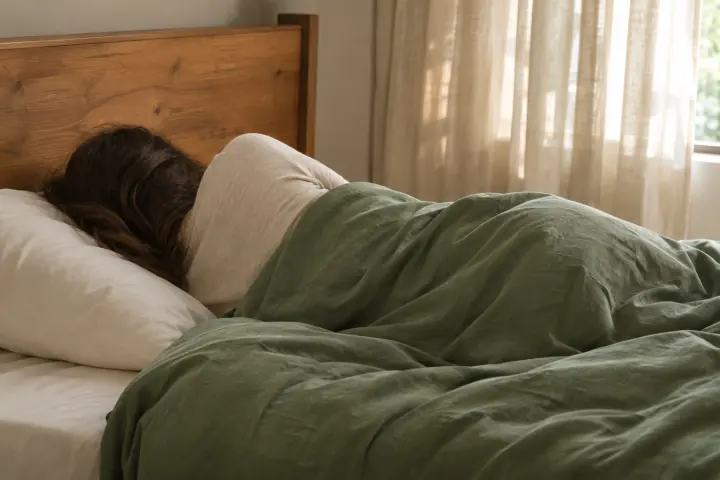
Comfort decides whether you'll stay on your side all night. A pillow that fills the gap between your ear and shoulder helps, and our guide on how to sleep with neck pain explains how to pick one. If you'd like a contoured option, we reviewed Derila Ergo, a memory foam pillow the brand designed for side, back and stomach sleepers. The brand links snoring to sleep posture, but there's no independent trial of the pillow, and its own terms say it isn't designed to treat any condition.
Mouth and throat exercises for snoring
Myofunctional therapy is a set of daily exercises for the tongue, soft palate and face, practiced for weeks to strengthen the muscles that keep the airway open. NHLBI lists these mouth and facial exercises among the treatments that may help sleep apnea.
For snoring, a 2018 systematic review pooled 9 studies with 211 adults. Self-rated snoring intensity dropped by about half, and the share of the night spent snoring fell by 31% in the sleep studies that measured it. A 2020 Cochrane review of 9 trials in sleep apnea was more cautious: compared with sham exercises, the therapy probably reduced daytime sleepiness and slightly reduced how loud people snored, but the evidence on how often they snored was very uncertain.
Most programs ran for two to four months and are best learned from a trained therapist, so the exercises are done correctly. Think of them as a slow, drug-free project rather than a quick fix.
Does mouth taping for sleep work?
Mouth taping, a strip of tape across the lips at night to force nose breathing, has spread fast on social media. The research hasn't kept up.
A 2025 systematic review found only 10 studies with 213 people in total. Two showed improvements in sleep apnea measures, the rest found no difference, and some raised concerns about the risk of suffocation when the nose is blocked. The authors concluded there is a potentially serious risk of harm for people who tape their mouths without checking with a doctor first. A 2026 review found just 2 small taping studies, both in mild sleep apnea, while confirming that a blocked nose makes sleep apnea measures worse.
- Don't tape your mouth if you can't breathe easily through your nose, for example with a cold, allergies or a bent septum.
- Don't use it in place of treatment if you have, or might have, sleep apnea.
- Never tape a child's mouth.
- If nose breathing is the goal, ask a doctor about what's blocking your nose first.
Anti-snoring mouthpieces
Mouthpieces that hold the lower jaw slightly forward, called mandibular advancement devices, are the most studied type of anti-snoring mouthpiece. A 2021 systematic review of 18 studies concluded that the evidence supports them for simple snoring. The most common side effects were jaw joint pain and extra saliva, both easing over time. NHLBI also lists jaw-repositioning and tongue-retaining mouthpieces among sleep apnea treatments.
If you'd like to try a molded-at-home version before paying for a dentist-made one, we reviewed SleepZee, a boil-and-bite mouthpiece that holds the jaw forward. We found no independent trial of SleepZee itself. Skip it if you have jaw joint pain or major dental work unless your dentist agrees, and if you might have sleep apnea, see a doctor before buying any mouthpiece.
Is it snoring or sleep apnea?
Snoring on its own is mostly a noise problem. Obstructive sleep apnea is different: the airway repeatedly closes, breathing stops for more than 10 seconds at a time, and sleep is broken all night. Loud snoring is one of its main signs, which is why it matters to know the others. NHLBI lists these signs of sleep apnea in adults:
- Breathing that stops and starts during sleep, often noticed by a bed partner
- Frequent loud snoring, and gasping or choking for air
- Daytime sleepiness and tiredness
- Morning headaches and a dry mouth
- Insomnia, or waking often during the night to urinate
- Low sex drive or sexual problems
Your risk goes up with age and extra weight, and NHLBI notes that men are more likely to have serious sleep apnea and to get it younger. In children, signs can look different: snoring with hyperactivity, bedwetting, worsening asthma or trouble paying attention at school.
Sleep apnea is diagnosed with a sleep study and treated with options such as a CPAP machine, a mouthpiece, mouth and face exercises, an implanted nerve stimulator or surgery, according to NHLBI. Self-help tips aren't enough on their own.
How to stop someone from snoring, and sleep next to a snorer
If you're the one lying awake, you're often also the first to spot a problem. MedlinePlus notes that a bed partner may hear loud snoring, choking or gasping that the snorer never notices.
- Bring it up in the daytime, kindly, and frame it as a sleep problem for both of you.
- Help with the easy fixes: the tennis ball in the T-shirt, raising the head of the bed and no nightcap.
- If you've noticed pauses in breathing or gasping, tell them, and encourage a visit to the doctor.
- Go to bed first, so you're asleep before the snoring starts.
- On bad nights, a spare room isn't a failure. Two rested people beat two tired ones.
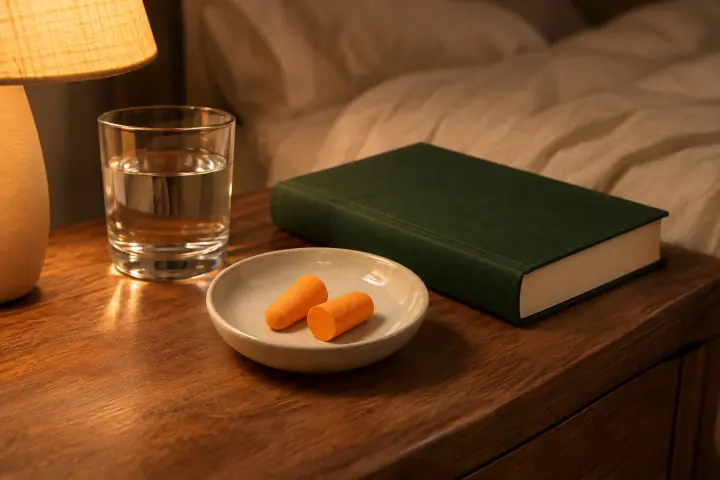
Noise at night does cost sleep. In a 2022 update to the World Health Organization's systematic review, the odds of being highly sleep-disturbed rose with every 10-decibel increase in nighttime traffic noise at home. Earplugs are the simplest shield. If you want a reusable pair, we reviewed EaroPlugs, silicone earplugs with three tip sizes. The brand says they lower noise by 18 to 28 decibels, but it doesn't publish a lab-tested noise rating, so the seal you get matters most. Our guide on falling asleep faster has more for nights when you're still wide awake.
When to see a doctor about snoring
MedlinePlus advises talking to your provider if you snore and:
- Someone has noticed you stop breathing, choke or gasp during the night
- You feel very drowsy during the day or wake up unrefreshed
- You have morning headaches
- You have trouble with attention, concentration or memory
- You've gained weight
- You've tried self-care and the snoring hasn't improved
Talk to a doctor as well if your child snores regularly, if you snore during pregnancy, or if you have high blood pressure or heart disease. Your provider may refer you to a sleep specialist for a sleep study.
Reviewed products for quieter nights
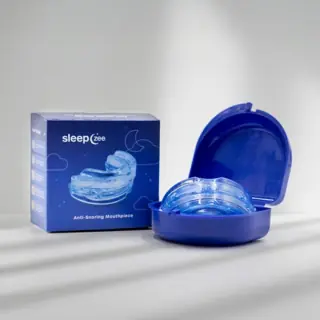
SleepZee review
Adults with simple snoring who want an affordable at-home mouthpiece before paying for a dentist-made one. From $29.50.
Read the review
Derila Pillow review
Sleepers who wake up with neck tension and want a contoured pillow that works on the side, back or stomach. From $37.49.
Read the review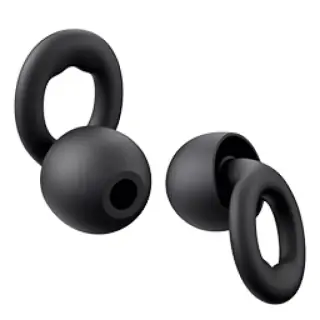
EaroPlugs review
Light sleepers, open-office workers and concertgoers who want reusable earplugs that turn noise down without cutting them off completely. From $33.99.
Read the review
FAQ
How can I stop snoring immediately?
Tonight, sleep on your side, skip alcohol and drowsy medicines at bedtime, raise the head of your bed and clear a stuffy nose, for example with drug-free nasal strips. These target the most common reasons the airway narrows at night.
Why do I snore all of a sudden?
Common reasons for new snoring include weight gain, a stuffy nose from a cold or allergies, alcohol, sleeping pills or antihistamines at bedtime, and late pregnancy. If new snoring comes with gasping or daytime sleepiness, see a doctor.
Is snoring bad for you?
Occasional, quiet snoring is usually harmless. Loud, frequent snoring can wake you up, leave you sleepy during the day and keep a partner awake, and it can be a sign of sleep apnea. A 2024 review also notes links between snoring and vascular disease.
Do nasal strips work for snoring?
They can help when the noise starts in your nose. MedlinePlus describes them as drug-free strips that widen the nostrils, but they are not a treatment for sleep apnea.
Is mouth taping safe?
It hasn't been proven safe or effective. A 2025 systematic review found only 10 small studies and warned of a potentially serious risk of harm, especially if your nose is blocked. Talk to a doctor before trying it, and never tape a child's mouth.
Do anti-snoring mouthpieces work?
Mouthpieces that move the lower jaw forward are the most studied kind. A 2021 review of 18 studies supports them for simple snoring, with temporary jaw pain and extra saliva as the usual side effects.
Sources
- Snoring, MedlinePlus (National Library of Medicine)
- Snoring - adults, MedlinePlus Medical Encyclopedia
- Sleep Apnea: Symptoms, National Heart, Lung, and Blood Institute (NIH)
- Sleep Apnea: Causes and Risk Factors, National Heart, Lung, and Blood Institute (NIH)
- Sleep Apnea: Treatment, National Heart, Lung, and Blood Institute (NIH)
- The Potential Effect of Changing Patient Position on Snoring: A Systematic Review, J Pers Med (2024), PubMed
- Modifiable risk factors for sleep apnea: meta-analysis of observational studies and 2-sample mendelian randomization, Epidemiol Rev (2025), PubMed
- Oropharyngeal and tongue exercises (myofunctional therapy) for snoring: a systematic review and meta-analysis, Eur Arch Otorhinolaryngol (2018), PubMed
- Myofunctional therapy (oropharyngeal exercises) for obstructive sleep apnoea, Cochrane Database Syst Rev (2020), PubMed
- Breaking social media fads and uncovering the safety and efficacy of mouth taping: A systematic review, PLoS One (2025), PubMed
- Impact of Nasal Obstruction and Mouth Taping on Sleep Apnea Indicators: Systematic Review and Meta-Analysis, OTO Open (2026), PubMed
- Use of mandibular advancement devices for the treatment of primary snoring with or without obstructive sleep apnea: A systematic review, Sleep Med Rev (2021), PubMed
- Environmental Noise and Effects on Sleep: An Update to the WHO Systematic Review and Meta-Analysis, Environ Health Perspect (2022), PubMed
This guide is general information, not medical advice. Talk to your doctor before making changes to your diet, sleep or exercise routine.