
Nail care
Toenail Fungus Home Remedies: What the Evidence Says About Tea Tree Oil, Vinegar and More
Toenail fungus home remedies such as tea tree oil and a mentholated chest rub have only small, early studies behind them, and none has been shown to match prescription treatment. They're reasonable to try on a mild case if you're patient and keep your feet clean and dry. Here's what the research shows for each one, the routine dermatologists recommend, and the signs that need a doctor.
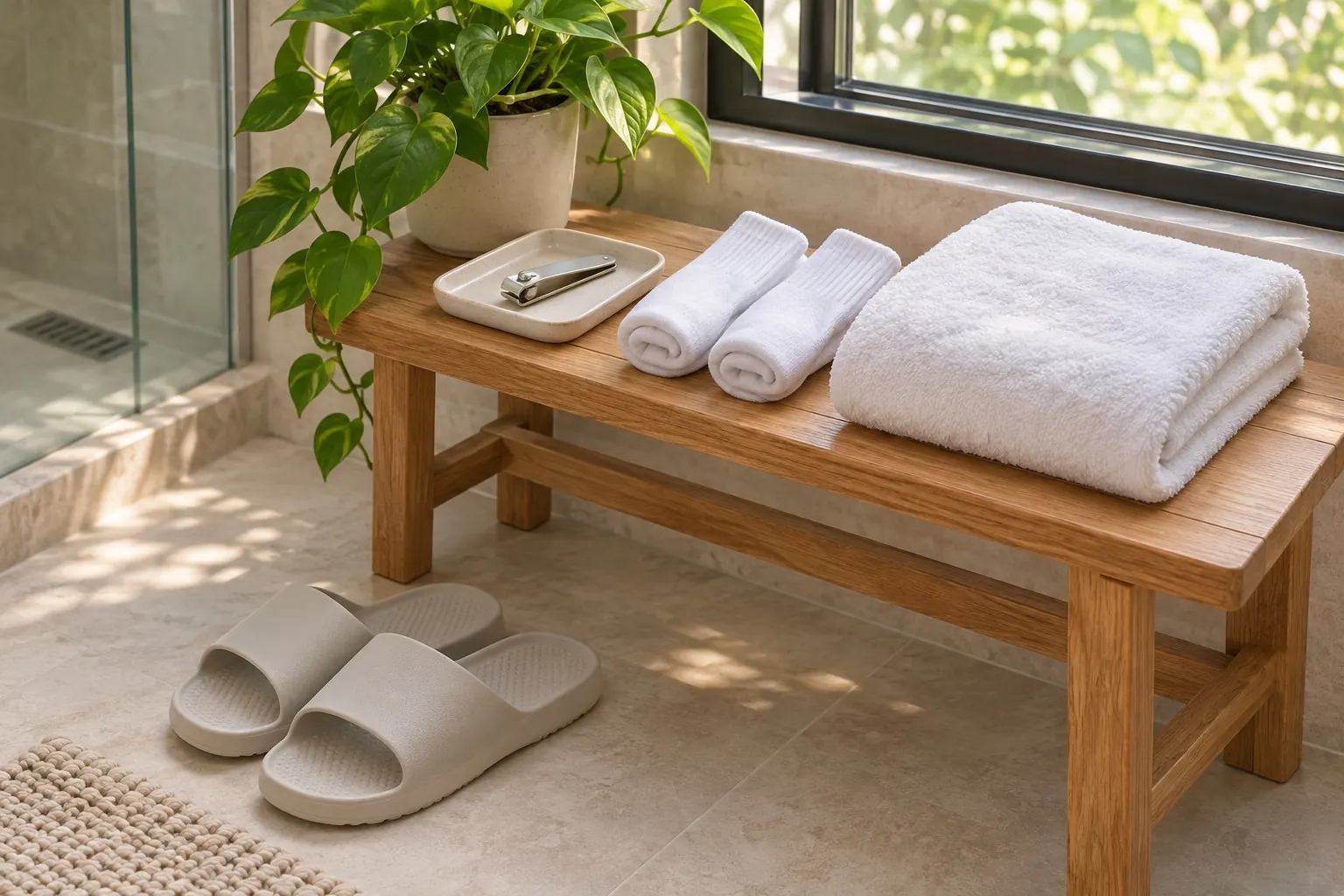
What is toenail fungus?
Toenail fungus, or onychomycosis, is an infection of the nail. The American Academy of Dermatology (AAD) says the first sign is usually a change in the nail itself, most often on the big or second toe:
- Part of the nail turns a different color
- The nail becomes brittle and cracks or splits
- Debris builds up under the discolored nail
- The nail lifts, and the skin around it may turn red
It's contagious. The fungi spread from person to person, through shared nail clippers and towels, and from walking barefoot on pool decks, in locker rooms and in other warm, damp places. Athlete's foot can also spread to a nail, and one infected nail can spread to others. Dirty nails alone don't cause it, the AAD notes.
Two facts shape everything that follows. Nail fungus almost never goes away on its own, and other problems, such as nail psoriasis or an old injury, can look just like it. A dermatologist can confirm it by looking at a small clipping under a microscope, which is worth doing before you spend months on any treatment.
Do toenail fungus home remedies work?
A 2022 systematic review searched for every clinical study of a natural or alternative nail-fungus remedy and found only 17. The most studied was tea tree oil, with 5 studies, followed by a few others such as a mentholated chest rub, propolis and plant extracts. Many were small or had no comparison group. The authors called for large placebo-controlled trials before these remedies can be recommended.
Here's how the home options compare with what doctors prescribe:
| Option | What the research shows | Bottom line |
|---|---|---|
| Tea tree oil | In the largest trial, 117 people used 100% tea tree oil or 1% clotrimazole, an antifungal cream, twice a day for 6 months. About 60% in each group saw their nails partly or fully improve. | Small studies; NCCIH says the evidence is too limited for conclusions |
| Mentholated chest rub | In one study, 18 people applied it at least daily for 48 weeks; about 28% had a clinical cure. There was no comparison group. | Two small studies; effect unknown |
| Vinegar, baking soda, hydrogen peroxide soaks | None appeared among the 17 clinical studies in the 2022 review. | No clinical evidence |
| Over-the-counter antifungal creams | The AAD says terbinafine cream treats athlete's foot but can't get through the nail. | Useful for the skin, not the nail |
| Prescription nail solutions | A Cochrane review of 56 trials found efinaconazole, tavaborole and ciclopirox work better than an inactive solution, but complete cure rates with topical treatments are relatively low. | Proven, slow, best for mild to moderate cases |
| Prescription pills | A Cochrane review of 48 trials found high-quality evidence that terbinafine and azole pills cure more nails than placebo, with terbinafine probably ahead. | The strongest evidence; needs a doctor |
Sources: the AAD, NCCIH and the systematic reviews listed at the end of this guide.
Tea tree oil for nail fungus
Tea tree oil is steam-distilled from the leaves of Melaleuca alternifolia, a plant native to Australia, and it's the most studied home remedy for nail fungus. The National Center for Complementary and Integrative Health (NCCIH) sums up the research bluntly: only a few studies have been done, and both their amount and quality are too limited to draw any conclusions.
The best of them, a randomized trial of 117 people, found that 100% tea tree oil and a 1% clotrimazole antifungal cream, each applied twice a day for 6 months, gave similar results, with about 60% of each group seeing their nails partly or fully improve. That's encouraging, but it's a single trial, and the comparison was a skin cream rather than a prescription nail treatment.
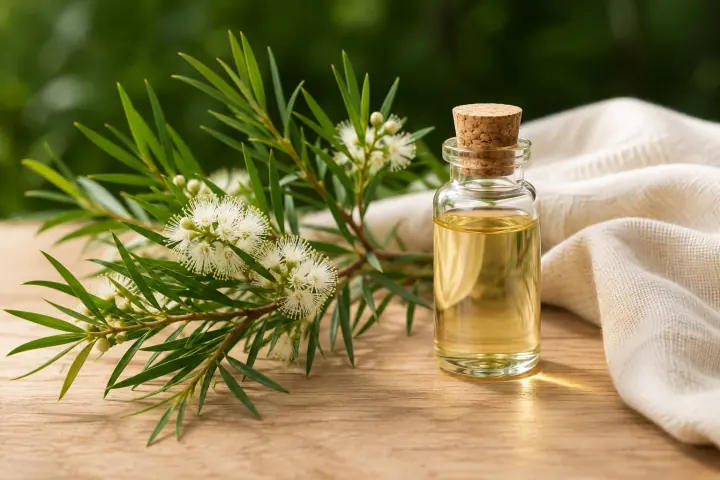
If you try it, follow the product label, apply it to clean, dry, trimmed nails, and give it months rather than weeks, because the nail has to grow out. NCCIH warns that tea tree oil should never be swallowed, since that can cause confusion, unsteadiness and even coma, and that it can redden or irritate the skin, more often when the oil is old or has been exposed to heat, light or air.
Mentholated chest rub for toenail fungus
The mentholated chest rub many families keep for coughs and colds is one of the most searched nail-fungus remedies. Two small, open studies have tested it on nails. In one, 18 people with lab-confirmed nail fungus applied it at least once a day for 48 weeks: about 28% ended up with a clinical cure and 22% with a complete cure, but with no comparison group it's hard to know how many would have improved anyway. The other study, in 20 people with HIV, reported partial improvement in most of those who finished.
The AAD's view is that tea tree oil and mentholated ointments have shown possible benefit in small trials, but we still don't know how well they work or what side effects they could cause. If you want to try it, it's inexpensive and familiar, but keep it to the nail and nearby skin, and stop if the skin gets irritated.
Vinegar soaks and other kitchen remedies
Vinegar, baking soda, hydrogen peroxide, garlic and mouthwash soaks are all over the internet. None of them appeared among the 17 clinical studies in the 2022 review of alternative nail-fungus remedies, so there's no clinical evidence that they cure nail fungus.
A plain soak can feel good and make it easier to trim a thick nail, but don't count on it to clear an infection. Stop if your skin cracks, stings or turns red, and if you have diabetes or poor circulation, ask your doctor before any home foot treatment.
What kills toenail fungus?
Prescription antifungals, with pills backed by the strongest evidence. A 2017 Cochrane review of 48 trials with 10,200 people found high-quality evidence that terbinafine and azole antifungal pills cure more infections than placebo, and that terbinafine probably works better than azoles with a similar risk of side effects. Topical prescription solutions also beat inactive solutions, but a 2020 Cochrane review of 56 trials found their complete cure rates relatively low, after treatment courses of about a year.
| Treatment | How it's used | Typical course for toenails |
|---|---|---|
| Terbinafine pills | Once a day, with liver blood tests before starting and again at 6 weeks | 12 weeks |
| Itraconazole pills | Once a day with a full meal; interacts with many medicines | 12 weeks |
| Efinaconazole 10% solution | Brushed onto the nail once a day | Usually 48 weeks |
| Tavaborole 5% solution | Brushed onto the nail once a day | Usually 48 weeks |
| Ciclopirox nail lacquer | Painted on daily and removed with rubbing alcohol every 7 days | Months, with regular trimming |
Even when treatment clears the fungus, the AAD says a toenail takes 12 to 18 months to grow out, so the nail can look abnormal long after the infection is gone.
Lasers are often advertised too. The AAD notes that FDA clearance for lasers covers improving how the nail looks, not treating the infection, and that good trials are still needed. Pills aren't right for everyone, which is one reason people look for home remedies in the first place, so talk through the trade-offs with your doctor.
Toe fungus treatment at home: a routine that helps
Whatever you put on the nail, the AAD's prevention tips are the part of home care with the most common sense behind them. They make the nail a worse place for fungi to live, protect your other toes and help stop the infection from coming back:

- Keep your feet clean and dry, and change your socks whenever they get sweaty.
- Give your shoes 24 hours to dry between wears, and put antifungal powder or spray in your shoes and socks.
- Trim your toenails short and straight across, and disinfect the clippers after each use. An AAD dermatologist suggests a bleach solution while there's an infection, and 70% rubbing alcohol otherwise. Never share clippers or towels.
- Wear shower sandals in locker rooms, gyms, spas, shared showers and on pool decks.
- Treat athlete's foot right away, since it can spread to the nails.
- Disinfect or throw away shoes you wore before treatment, and wash socks in hot water with detergent.
- Make sure anyone you live with who has nail fungus or athlete's foot gets treated too.
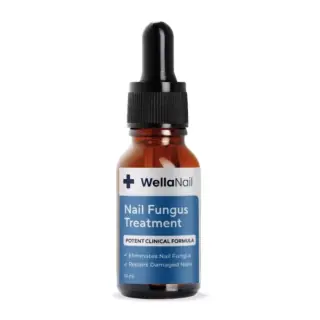
If you'd like a ready-made plant-based oil for this routine, we reviewed WellaNail, a dropper-bottle oil with rosemary, green tea and castor oil that the brand says to apply morning and night. There's no published trial of the formula, so treat it as a gentle option for a mild case rather than a cure, and keep unopened bottles sealed, since opened ones can only be returned if defective. It isn't for people with diabetes or poor circulation unless their doctor agrees.
When to see a doctor
The AAD recommends seeing a board-certified dermatologist as soon as you notice signs of nail fungus, because early treatment may clear it more easily. Don't wait if:
- The nail is painful, thick or spreading, or makes it hard to walk or stand
- The skin around the nail is red, swollen or sore
- You have diabetes or poor circulation. The CDC advises people with diabetes to check their feet every day and to see a doctor promptly for thickened yellow toenails, ingrown toenails, sores or changes in the color or temperature of the foot.
- You're pregnant or breastfeeding, or the nail belongs to a child
- A home remedy has caused irritation, or several months of home care haven't made a difference
A nail oil we reviewed
FAQ
What kills toenail fungus?
Prescription antifungals are what reliably clear it. Cochrane reviews found high-quality evidence for terbinafine and azole pills, and good evidence for prescription nail solutions such as efinaconazole, though cure rates with solutions are lower. Home remedies haven't been shown to match them.
Is toenail fungus contagious?
Yes. The AAD says it spreads from person to person, through shared clippers and towels, from walking barefoot in damp public places, and from athlete's foot to the nails. It can also spread from one nail to others.
Does tea tree oil kill toenail fungus?
It might help a little, but it isn't proven. In the largest trial, tea tree oil did about as well as an antifungal cream over 6 months, and NCCIH says the research is too limited to draw conclusions.
Does vinegar get rid of toenail fungus?
There's no clinical evidence that it does. Vinegar soaks didn't appear among the 17 clinical studies in a 2022 review of alternative nail-fungus remedies. Stop if a soak irritates your skin.
How long does it take to get rid of toenail fungus?
Longer than most people expect. Prescription pills take about 12 weeks and nail solutions about 48 weeks, and the AAD says a toenail needs 12 to 18 months to grow out clear. The fungus can also come back a year or more later.
Can toenail fungus go away on its own?
Almost never, according to the AAD, and it can spread to other nails. See a dermatologist to confirm it and choose a treatment.
Sources
- Nail fungus: FAQs, American Academy of Dermatology
- Nail fungus: Diagnosis and treatment, American Academy of Dermatology
- 11 tips to prevent nail fungus, American Academy of Dermatology
- Tea Tree Oil, National Center for Complementary and Integrative Health (NIH)
- Diabetes and Your Feet, Centers for Disease Control and Prevention
- Complementary and Alternative Therapies for Onychomycosis: A Systematic Review of the Clinical Evidence, Skin Appendage Disord (2022), PubMed
- Topical and device-based treatments for fungal infections of the toenails, Cochrane Database Syst Rev (2020), PubMed
- Oral antifungal medication for toenail onychomycosis, Cochrane Database Syst Rev (2017), PubMed
This guide is general information, not medical advice. Talk to your doctor before making changes to your diet, sleep or exercise routine.