
Nutrition
High-Protein Lunch Ideas: 9 Easy Meals, With the Protein Counted
Many Americans load up on protein at dinner. These nine lunches use everyday foods to even things out, with approximate protein per serving worked out from USDA data.
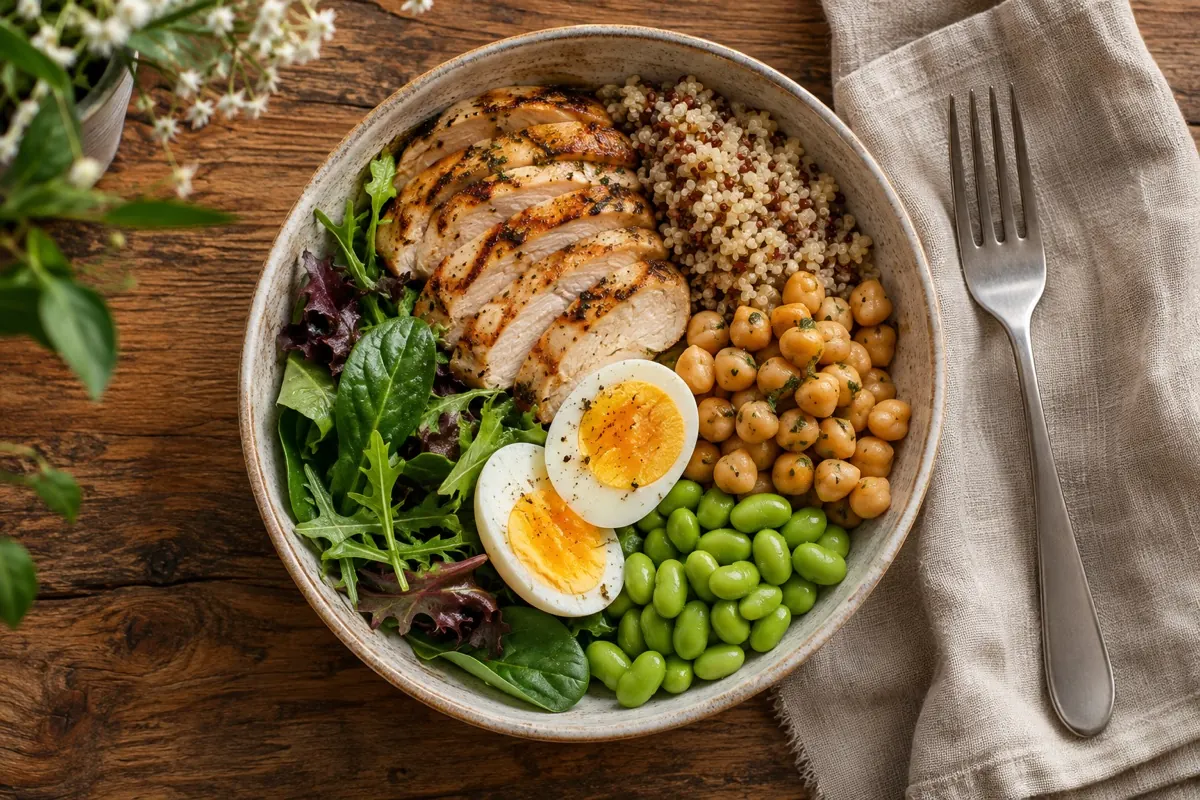
How much protein do you need?
There are two official numbers, and they answer different questions. The Recommended Dietary Allowance (RDA) is 0.8 grams of protein per kilogram of body weight per day, or about 0.36 grams per pound. Harvard Health describes it as roughly the minimum you need to meet basic nutritional requirements, not a target for how much to eat.
The Dietary Guidelines for Americans, 2025–2030, from USDA and HHS, set a higher goal of 1.2 to 1.6 grams per kilogram of body weight per day, adjusted to your calorie needs, and advise prioritizing protein foods at every meal. Harvard Health also notes that some studies suggest protein may be more effective when spread across the day's meals rather than loaded into dinner.
Here is what those numbers mean for someone who weighs 150 pounds, or about 68 kilograms:
- At the RDA: about 54 grams a day
- At the Dietary Guidelines goal: about 82 to 109 grams a day
- Split evenly over three meals, that goal works out to roughly 27 to 36 grams per meal
Who should check before eating more protein
Harvard Health notes that protein needs go up during pregnancy and suggests checking with your doctor about your specific needs. People with chronic kidney disease may need to eat moderate amounts of protein, and the National Institute of Diabetes and Digestive and Kidney Diseases (NIDDK) advises working with a dietitian or health care professional to find the right balance. If either applies to you, ask before you raise your intake.
How we counted the protein
The numbers below come from USDA's FoodData Central, using its standard reference entries for plain foods, and we rounded to the nearest gram. They are estimates. Brands, recipes and portions vary, so use the Nutrition Facts label on packaged foods when you have it.
For quick math, MedlinePlus offers a handy rule of thumb: 1 ounce of meat, fish or poultry, 1 large egg, ¼ cup of tofu or ½ cup of cooked beans or lentils each provides about 7 grams of protein.
1. Chicken, quinoa and black bean bowl: about 38 grams
Top ½ cup of cooked quinoa with 3 ounces of roasted chicken breast, ½ cup of black beans, salsa, shredded lettuce and a little avocado. Batch-cook the chicken and quinoa on the weekend and it takes five minutes.
- 3 oz roasted chicken breast: about 26 g
- ½ cup cooked black beans: about 8 g
- ½ cup cooked quinoa: about 4 g
2. Tuna salad on whole-wheat bread: about 30 grams
Mix 3 ounces of drained light tuna, canned in water, with a spoonful of plain Greek yogurt or mayonnaise, chopped celery, lemon juice and black pepper. Serve it on two slices of whole-wheat bread or over greens.
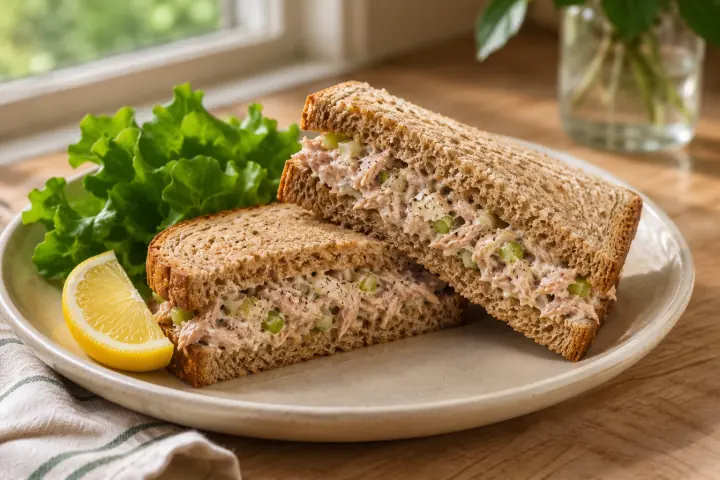
- 3 oz light tuna, drained: about 22 g
- 2 slices whole-wheat bread: about 8 g
3. Lentil salad with feta and egg: about 28 grams
Toss 1 cup of cooked lentils with chopped cucumber, tomato, red onion, parsley, olive oil and lemon. Crumble 1 ounce of feta on top and add a sliced hard-boiled egg. Make two portions at once and you have tomorrow's lunch too.
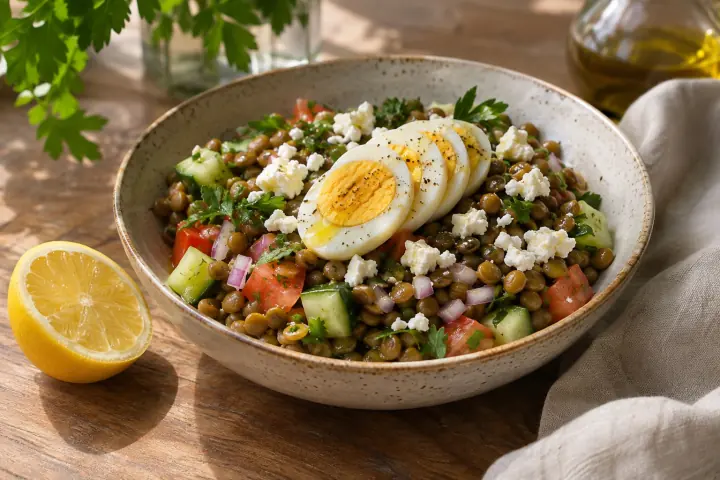
- 1 cup cooked lentils: about 18 g
- 1 large hard-boiled egg: about 6 g
- 1 oz feta: about 4 g
4. Cottage cheese plate: about 28 grams
Spoon 1 cup of 2% cottage cheese onto a plate with cherry tomatoes, cucumber slices, cracked pepper and a slice of whole-wheat toast. It needs no cooking and travels well in a lidded container.
- 1 cup 2% cottage cheese: about 24 g
- 1 slice whole-wheat bread: about 4 g
5. Salmon and chickpea salad: about 26 grams
Flake 3 ounces of leftover cooked salmon over mixed greens with ½ cup of chickpeas, sliced radishes and a lemon-dill dressing.
- 3 oz cooked salmon: about 19 g
- ½ cup cooked chickpeas: about 7 g
6. Leftover turkey sandwich: about 34 grams
Layer 3 ounces of roasted turkey breast on two slices of whole-wheat bread with mustard, tomato and greens. Our count uses home-roasted turkey breast. If you buy packaged sliced turkey, check the label, since it won't necessarily match.
- 3 oz roasted turkey breast: about 26 g
- 2 slices whole-wheat bread: about 8 g
7. Edamame snack-box lunch: about 29 grams
Pack 1 cup of cooked edamame beans, ¼ cup of hummus with carrot and pepper sticks, and a hard-boiled egg. It's a good choice when there's no microwave at work.
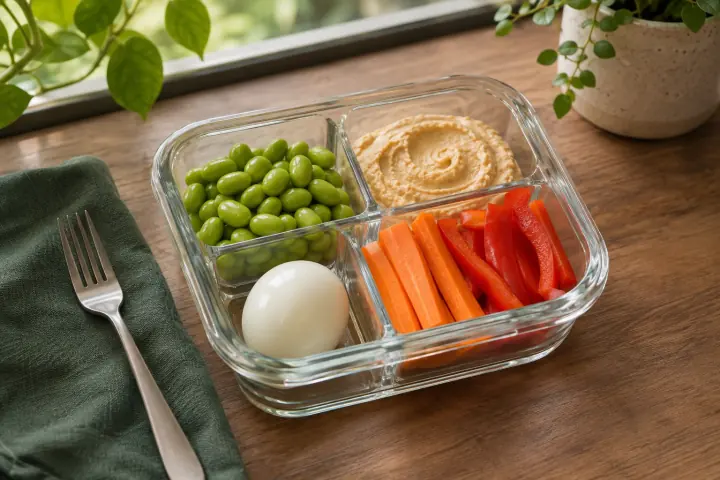
- 1 cup cooked edamame: about 18 g
- ¼ cup hummus: about 5 g
- 1 large hard-boiled egg: about 6 g
8. Tofu and edamame stir-fry: about 21 to 31 grams
Stir-fry ½ cup of cubed firm tofu with ½ cup of edamame, broccoli, garlic, ginger and a splash of soy sauce, and serve it over rice. The range is wide because tofu varies: two USDA entries for firm tofu list about 9 and about 17 grams of protein per 100 grams, so your package label is the best guide.
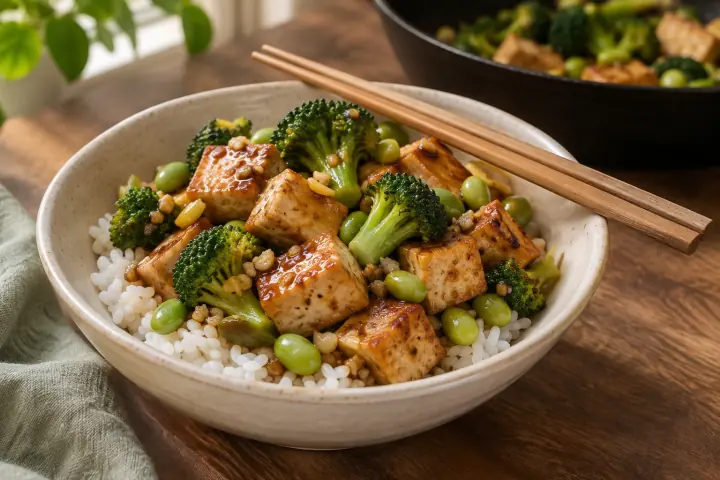
- ½ cup firm tofu: about 11 to 22 g, depending on the type
- ½ cup cooked edamame: about 9 g
9. Egg salad sandwich: about 21 grams
Mash 2 hard-boiled eggs with plain Greek yogurt, mustard and chives, and spread on two slices of whole-wheat bread. To pass 30 grams, add ½ cup of 2% cottage cheese on the side, which brings about 12 grams more.
- 2 large hard-boiled eggs: about 13 g
- 2 slices whole-wheat bread: about 8 g
Easy ways to add protein to any lunch
If your usual lunch comes up short, these add-ons help, with approximate protein from the same USDA entries:
- A 6-ounce (170-gram) container of plain nonfat Greek yogurt: about 17 g
- 2 tablespoons of peanut butter: about 7 g
- ½ cup of cooked beans, lentils or chickpeas: about 7 to 9 g
- 1 large hard-boiled egg: about 6 g
- 1 ounce of feta: about 4 g
Mix your protein sources
The Dietary Guidelines encourage a variety of protein foods, from eggs, poultry, seafood and red meat to beans, peas, lentils, nuts, seeds and soy. Harvard Health adds that "get more protein" shouldn't be read as "eat more meat," and suggests thinking about the whole protein package. Rotating through the lunches above is an easy way to do both.
Products we've reviewed for weight & metabolism
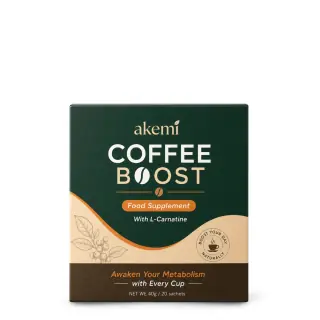
Akemi Coffee Boost review
Coffee drinkers who want a flavorless daily add-in alongside a balanced diet. From $1.11 a day.
Read the review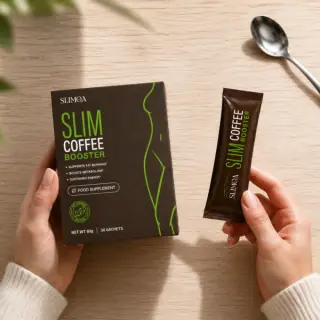
Slimqa Coffee Booster review
Coffee drinkers who want one simple daily habit alongside a balanced diet. From $0.67 a day.
Read the review
Hinuki review
People who'd rather chew a small jelly than swallow capsules and want a simple habit around meals. From $3.00 a day.
Read the review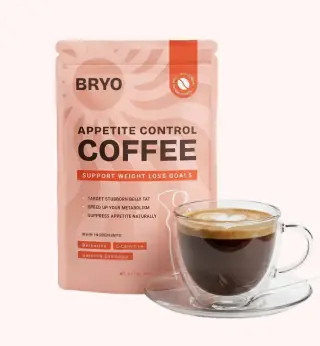
Bryo review
Daily coffee drinkers who want a flavored instant coffee with appetite-focused ingredients, alongside sensible eating. From $0.60 a day.
Read the review
FAQ
How much protein should I eat at lunch?
There's no official per-meal number. If you aim for the Dietary Guidelines goal of 1.2 to 1.6 grams per kilogram a day and split it evenly across three meals, a 150-pound adult would eat roughly 27 to 36 grams at each meal.
What is a good vegetarian high-protein lunch?
The lentil salad with feta and egg (about 28 g), the cottage cheese plate (about 28 g) and the tofu and edamame stir-fry (about 21 to 31 g) all work. For a fully plant-based lunch, build around tofu, edamame, lentils, beans or chickpeas.
Is eating more protein safe?
The Dietary Guidelines for Americans set a goal of 1.2 to 1.6 grams per kilogram a day. People with chronic kidney disease may need moderate amounts, so they should work with a dietitian or doctor, and protein needs also change during pregnancy.
Do I need protein shakes or bars?
Usually not. Every lunch in this guide reaches about 21 to 38 grams with ordinary foods, and the Dietary Guidelines emphasize whole, nutrient-dense protein foods.
How accurate are these protein numbers?
They're estimates based on USDA FoodData Central reference values for each ingredient, rounded to the nearest gram. Actual amounts vary with the brand, the recipe and how much you put on the plate.
Sources
- Dietary Guidelines for Americans, 2025–2030, U.S. Department of Agriculture and U.S. Department of Health and Human Services
- How much protein do you need every day?, Harvard Health Publishing
- Protein in diet, MedlinePlus Medical Encyclopedia, National Library of Medicine
- Healthy Eating for Adults with Chronic Kidney Disease, National Institute of Diabetes and Digestive and Kidney Diseases
- FoodData Central (SR Legacy reference entries used for every protein count in this guide), USDA Agricultural Research Service
- Chicken, broilers or fryers, breast, meat only, cooked, roasted (FDC ID 171477), USDA FoodData Central
- Fish, tuna, light, canned in water, without salt, drained solids (FDC ID 171986), USDA FoodData Central
- Lentils, mature seeds, cooked, boiled, without salt (FDC ID 172421), USDA FoodData Central
- Cheese, cottage, lowfat, 2% milkfat (FDC ID 172182), USDA FoodData Central
- Tofu, raw, firm, prepared with calcium sulfate (FDC ID 172475), USDA FoodData Central
- Tofu, firm, prepared with calcium sulfate and magnesium chloride (FDC ID 172448), USDA FoodData Central
- Edamame, frozen, prepared (FDC ID 168411), USDA FoodData Central
This guide is general information, not medical advice. Talk to your doctor before making changes to your diet, sleep or exercise routine.