
Sleep
A 12-Minute Wind-Down Routine to Help You Fall Asleep Faster
No routine can cure insomnia in 12 minutes. But a short, repeatable wind-down built from techniques sleep specialists actually use can make the end of your evening calmer and give sleep a better chance to arrive.
First, an honest word about insomnia
If you came here looking for a 12-minute cure, here is the straight answer: chronic insomnia doesn't work that way. The National Heart, Lung, and Blood Institute (NHLBI) describes chronic insomnia as trouble sleeping that happens 3 or more nights a week and lasts more than 3 months. Short-term insomnia, often set off by stress or a change in schedule or surroundings, can last a few days or weeks.
Good sleep habits matter, but on their own they aren't considered a treatment for chronic insomnia. The American Academy of Sleep Medicine (AASM) suggests that clinicians not use sleep hygiene by itself to treat it. What does help many people is cognitive behavioral therapy for insomnia, or CBT-I, which we explain below. The routine in this guide borrows a few pieces of that approach. Think of it as a way to stop fighting bedtime, not as an off switch.
Set up the conditions first
A wind-down works better when the basics around it are in place. The AASM's Sleep Education site recommends:
- Getting up at the same time every day, even on weekends, with a bedtime early enough to allow at least 7 to 8 hours of sleep
- Keeping your bedroom quiet, relaxing and at a comfortable, cool temperature
- Avoiding caffeine in the afternoon and evening, and alcohol before bedtime
- Skipping large meals before bed; if you're hungry, a light, healthy snack is fine
- Limiting bright light in the evening and turning off electronic devices at least 30 minutes before bedtime
The 12-minute routine
Start about 15 minutes before you plan to turn out the light. The times are a guide, not a rule. What matters is doing the same steps in the same order each night, so the routine itself starts to signal that sleep is coming.
Minutes 0 to 2: Close out the day
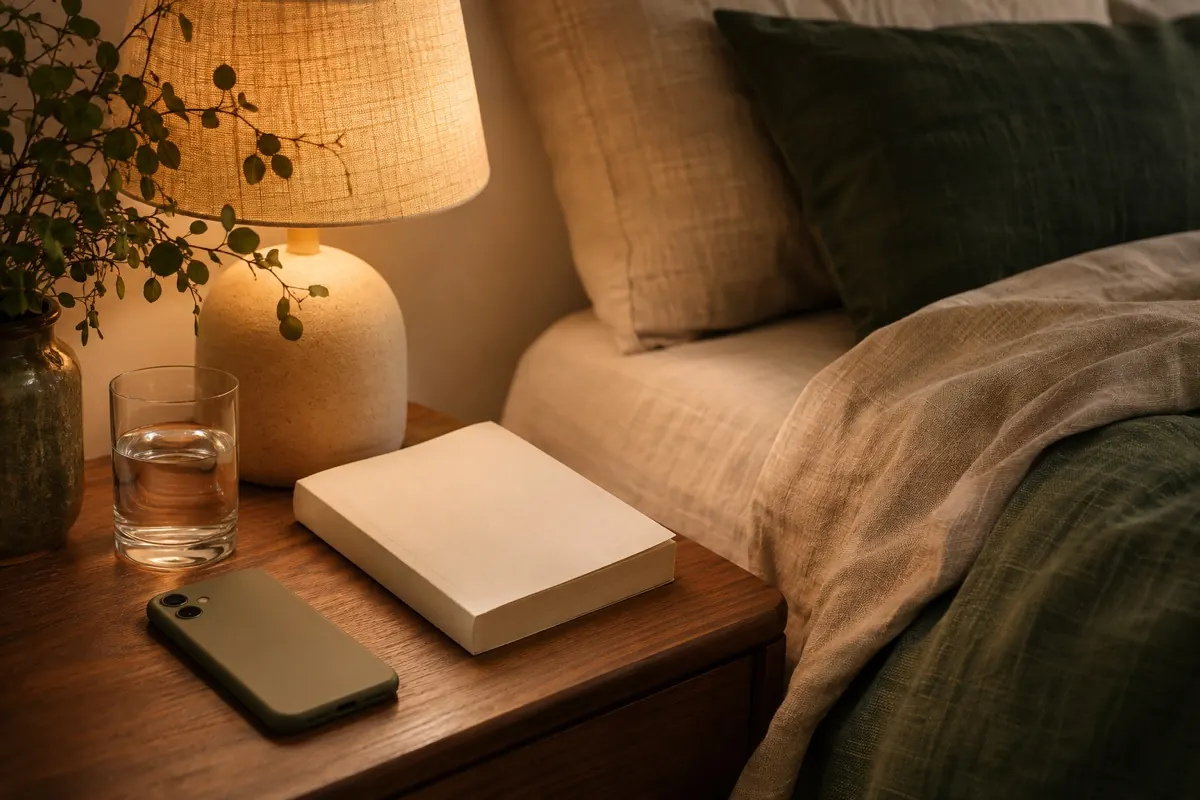
Set your alarm, put your phone on its charger away from the bed, and dim the lights. Take care of the small things that tend to pull you back up later: a glass of water on the nightstand, the door locked, tomorrow's clothes laid out. You're removing reasons to get up and things to remember.

Minutes 2 to 7: Write tomorrow's to-do list
Take a notepad and write down what you need to do tomorrow and over the next few days. Be specific. In a sleep-lab study of 57 healthy young adults, people who spent 5 minutes writing a to-do list before bed fell asleep faster than people who wrote about tasks they had already finished. The more specific the list, the faster they fell asleep.
That was one small study in young, healthy people, so treat it as a promising tip rather than a proven treatment. Still, it costs nothing, and it gives tomorrow's worries somewhere to go other than your pillow.

Minutes 7 to 10: Slow your breathing
Sit on the edge of the bed or lie down. Breathe in slowly through your nose and let your belly rise, then breathe out slowly. Let each out-breath be a little longer than the in-breath, without forcing it. The National Center for Complementary and Integrative Health (NCCIH) lists slow, deep diaphragmatic breathing among the standard relaxation techniques, which aim to bring on the body's relaxation response: slower breathing, lower blood pressure and a reduced heart rate.

Minutes 10 to 12: Relax your muscles, then lights out
Get into bed and work slowly from your feet to your face. Gently tense each muscle group for a few seconds, then let it go. This is progressive muscle relaxation, another technique NCCIH describes. Then turn off the light and let your mind drift. You aren't trying to force sleep, just to rest.
To be fair about the evidence: the AASM guideline suggests relaxation therapy as one option for chronic insomnia, while NCCIH notes that relaxation techniques on their own don't seem especially promising for sleep. That's why the next step matters more.
Still awake after about 20 minutes? Get up
This is the step most people skip, and it's one of the best supported. The AASM advises that if you don't fall asleep after 20 minutes, you get out of bed and do something quiet without a lot of light exposure, and especially without electronics. Go back to bed when you feel sleepy. Use your bed only for sleep and sex.
This is called stimulus control, and it's one of the core parts of CBT-I. The goal is to break the link between your bed and lying awake frustrated. You don't need to watch the clock to time it; a rough sense of 20 minutes is enough.

What CBT-I is, and why it comes first
Two major guidelines put CBT-I first. The American College of Physicians recommends that all adults with chronic insomnia receive CBT-I as the initial treatment, and the AASM gives multicomponent CBT-I a strong recommendation for chronic insomnia in adults.
According to NHLBI, CBT-I is a 6- to 8-week treatment plan to help you fall asleep faster and stay asleep longer. A doctor, nurse or therapist can deliver it in person, by phone or online. It usually combines:
- Cognitive therapy, to ease anxiety about not being able to sleep
- Relaxation training
- Sleep education and healthy sleep habits
- Sleep restriction, which temporarily limits time in bed to the amount of sleep you're actually getting, then expands it as sleep improves. The AASM notes it can leave you more tired at first, one reason it's best done with guidance
- Stimulus control, the get-out-of-bed rule described above
When to see a doctor
Talk to a doctor or a sleep specialist if:
- Trouble falling or staying asleep happens 3 or more nights a week and has lasted more than 3 months
- Daytime sleepiness is affecting your focus, your work or your driving
- Someone notices loud snoring, breathing that starts and stops, or gasping for air while you sleep, which NHLBI lists as symptoms of sleep apnea
- Poor sleep comes with low mood, anxiety or loss of interest in things you usually enjoy
- You're thinking about starting, stopping or changing a sleep medicine; NHLBI advises talking to your doctor about the benefits and side effects
Products we've reviewed for sleep & stress

EaroPlugs review
Light sleepers, open-office workers and concertgoers who want reusable earplugs that turn noise down without cutting them off completely. From $33.99.
Read the review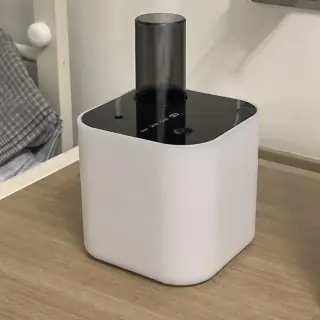
Shirem Scent Isle review
People who want a quiet, cordless way to scent a bedroom or living room without filling and cleaning a water tank. From $35.00.
Read the review
Derila Pillow review
Sleepers who wake up with neck tension and want a contoured pillow that works on the side, back or stomach. From $37.49.
Read the review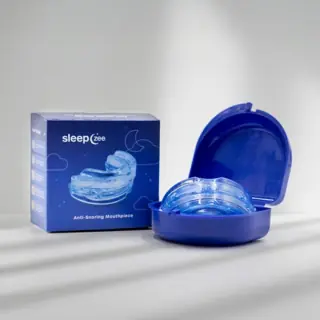
SleepZee review
Adults with simple snoring who want an affordable at-home mouthpiece before paying for a dentist-made one. From $29.50.
Read the review
FAQ
Can you really cure insomnia in 12 minutes?
No. A short routine can help you wind down, but chronic insomnia usually needs structured treatment. The American College of Physicians and the American Academy of Sleep Medicine both recommend CBT-I for chronic insomnia in adults.
What should I do if I can't fall asleep?
If you're still awake after about 20 minutes, get out of bed and do something quiet in low light, without screens. Go back to bed when you feel sleepy. This is the stimulus control advice from the AASM.
How much sleep do adults need?
The CDC says adults ages 18 to 60 need 7 or more hours of sleep. Adults 61 to 64 need 7 to 9 hours, and adults 65 and older need 7 to 8 hours.
Can I do CBT-I online?
Yes. According to NHLBI, CBT-I can be done in person, by telephone or online, and it can be delivered by a doctor, nurse or therapist.
Does writing a to-do list help you sleep?
One sleep-lab study of 57 young adults found that people who wrote a specific to-do list for 5 minutes before bed fell asleep faster than people who wrote about completed tasks. It's a small study, but the habit is free and easy to try.
Sources
- Behavioral and psychological treatments for chronic insomnia disorder in adults: an AASM clinical practice guideline, Journal of Clinical Sleep Medicine (2021), PubMed
- Management of chronic insomnia disorder in adults: a clinical practice guideline from the American College of Physicians, Annals of Internal Medicine (2016), PubMed
- The effects of bedtime writing on difficulty falling asleep: a polysomnographic study comparing to-do lists and completed activity lists, Journal of Experimental Psychology: General (2018), PubMed
- Healthy Sleep Habits, Sleep Education by the American Academy of Sleep Medicine
- Cognitive Behavioral Therapy, Sleep Education by the American Academy of Sleep Medicine
- Insomnia: What Is Insomnia?, National Heart, Lung, and Blood Institute
- Insomnia: Treatment, National Heart, Lung, and Blood Institute
- Sleep Apnea: Symptoms, National Heart, Lung, and Blood Institute
- Relaxation Techniques: What You Need To Know, National Center for Complementary and Integrative Health
- About Sleep, Centers for Disease Control and Prevention
This guide is general information, not medical advice. Talk to your doctor before making changes to your diet, sleep or exercise routine.