
Nutrition
Natural GLP-1 Foods: What Raises Your Own GLP-1, and by How Much
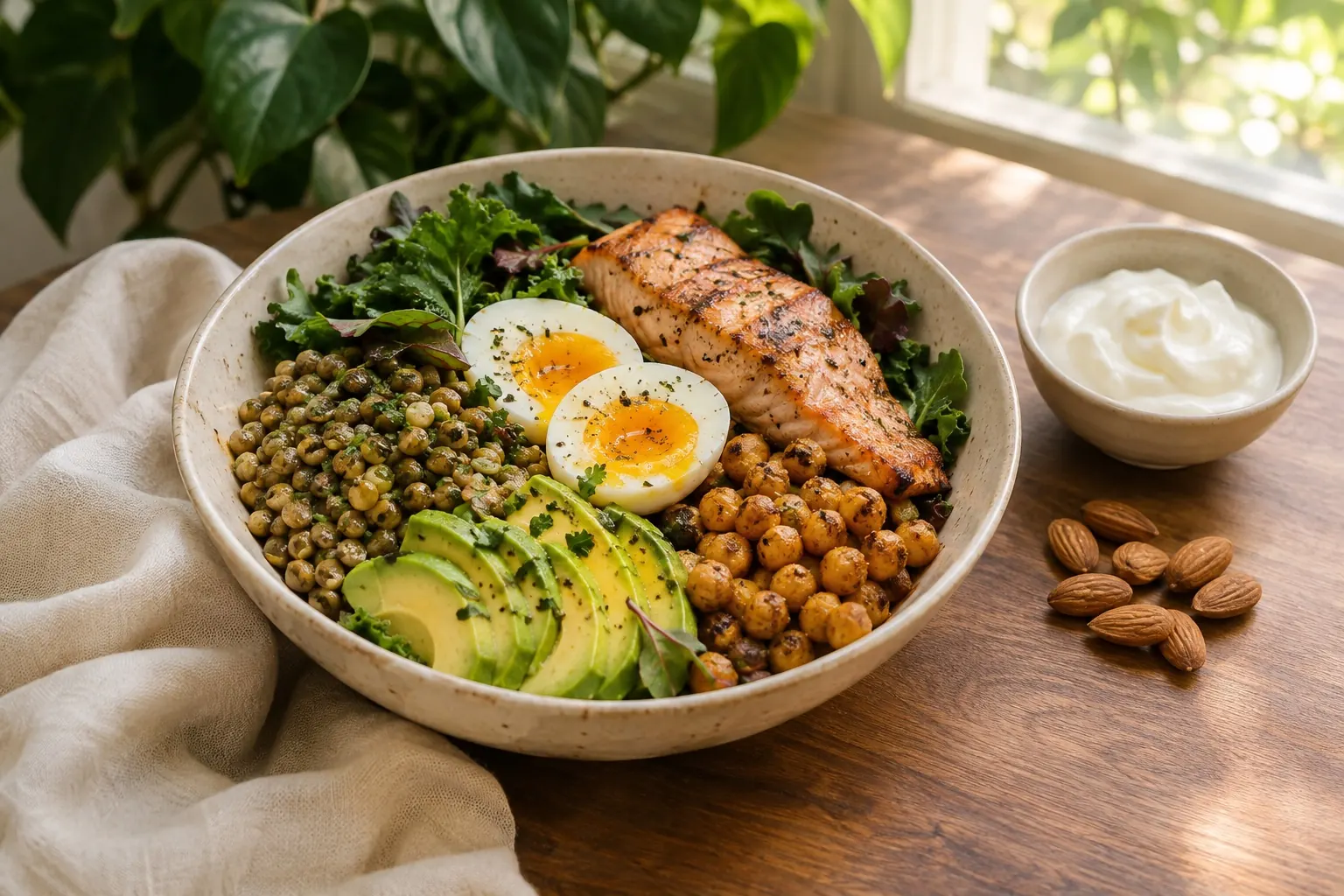
Natural GLP-1 rises after every meal, and protein-rich foods, some fibers, and eating vegetables and protein before starches can nudge it a little higher. The effect from food is small and short-lived, and it isn't a weight-loss treatment. Here's what GLP-1 is, which foods have been studied, and what the reviews actually found.
What is GLP-1?
GLP-1, short for glucagon-like peptide-1, is a hormone your gut makes. Special cells in the lining of the intestine, called L-cells, release it in response to a meal, as a 2007 review of its physiology explains.
Once it's released, GLP-1 does four main jobs, according to Cleveland Clinic: it prompts your pancreas to release insulin, blocks the release of glucagon (a hormone that raises blood sugar), slows how fast your stomach empties, and increases how full you feel after eating. Together, those help keep blood sugar from spiking after a meal.
Your own GLP-1 doesn't last long. The same review describes it as extremely rapidly broken down by an enzyme called DPP-4, much of it before it even leaves the gut. It also appears to be one of the body's natural regulators of appetite and food intake, which is why it became a target for medicines.
Natural GLP-1: what the research shows
Researchers have tested several ways food might raise GLP-1. These are the systematic reviews and meta-analyses we found on PubMed, what each concluded, and how much evidence stands behind it:
| What was tested | What the review found | Size of the evidence |
|---|---|---|
| Protein at a meal | Raised GLP-1 and fullness in short tests, mainly at 35 g of protein or more. In longer trials, GLP-1 didn't rise; it fell. | 49 short-term and 19 long-term publications (2020 meta-analysis) |
| Whey protein before a meal | Lowered the after-meal blood sugar peak (high certainty) and may raise GLP-1 (low certainty). | 16 crossover trials, 244 people (2023 meta-analysis) |
| Eating carbohydrates last | In people with type 2 diabetes, eating carbs after vegetables and protein raised GLP-1 after meals, slowed stomach emptying and lowered blood sugar peaks. | 17 trials, 389 people (2025 meta-analysis) |
| Carbohydrates last, over months | Slight to no difference in GLP-1, blood sugar or HbA1c, with low-certainty evidence. | 8 trials, 230 people with type 2 diabetes (2022 meta-analysis) |
| Single dietary fibers | Results varied by fiber type; dextrins were among the few with consistent effects on both GLP-1 and fullness. | 52 small studies, 1,085 people, median 19 per study (2026 scoping review) |
| Prebiotic fibers such as inulin | Increased fullness and lowered after-meal blood sugar and insulin; effects on GLP-1 were contradictory. | 26 trials, 831 people (2014 systematic review) |
| Probiotic supplements | Minimal effects on appetite-related hormones, GLP-1 included, in people with overweight or obesity. | 24 trials, 1,587 people (2021 systematic review) |
Each review is listed in Sources. Most studies measured GLP-1 for a few hours after a single test meal, so they show short-term responses, not lasting change.
The honest summary: what you eat changes your GLP-1 a little, for a few hours after a meal. A 2024 review of diet and GLP-1 secretion concluded that it isn't clear which nutrients are the strongest stimulants. And a 2025 joint advisory from four obesity and nutrition societies lists dietary modulation of the body's own GLP-1 as an area that still needs study.
So treat claims about foods that boost GLP-1 as a bonus of eating well, not a promise of weight loss.
Foods that increase GLP-1: protein and fiber in practice
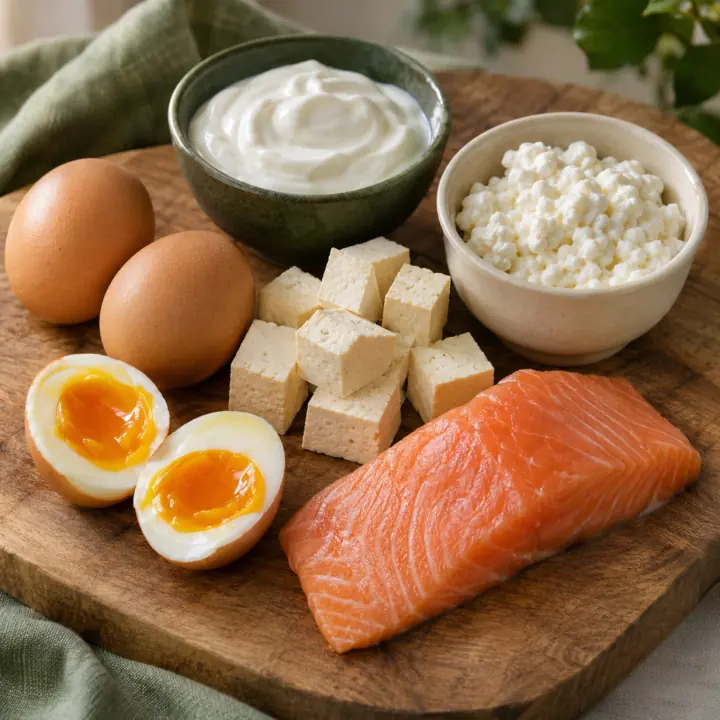
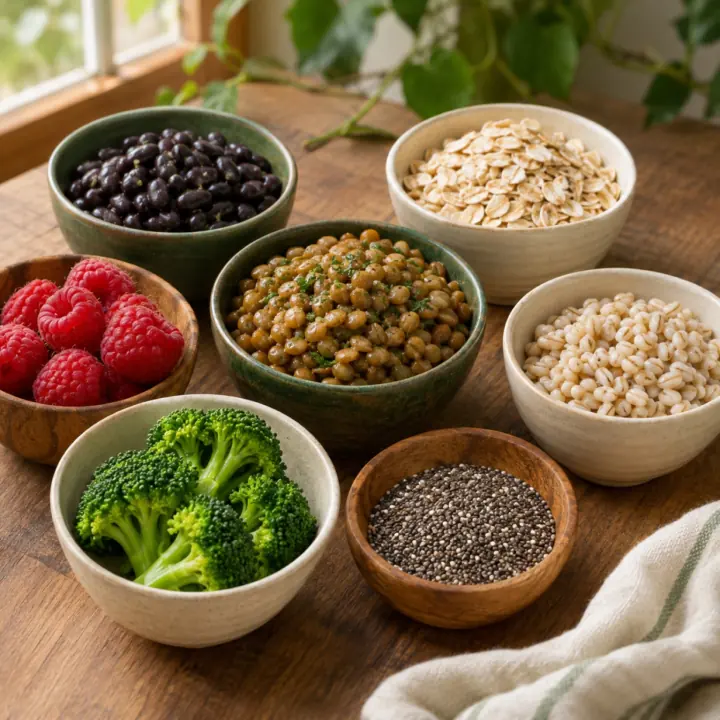
The foods with the most research behind them are ones that are good for you anyway: protein foods and fiber-rich plants. Here's what common choices carry, from USDA FoodData Central:
| Food | Serving | Protein | Fiber |
|---|---|---|---|
| Lentils, cooked | 1 cup | 18 g | 16 g |
| Black beans, cooked | 1 cup | 15 g | 15 g |
| Chickpeas, cooked | 1 cup | 15 g | 12 g |
| Firm tofu | 1/2 cup | 22 g | 3 g |
| Plain nonfat Greek yogurt | 6-oz container | 17 g | 0 g |
| Salmon, cooked | 3 oz | 19 g | 0 g |
| Eggs, hard-boiled | 2 large | 13 g | 0 g |
| Chia seeds | 1 oz | 5 g | 10 g |
| Raspberries | 1 cup | 1.5 g | 8 g |
| Pearled barley, cooked | 1 cup | 3.5 g | 6 g |
| Oatmeal, cooked | 1 cup | 6 g | 4 g |
| Almonds | 1 oz | 6 g | 3.5 g |
USDA FoodData Central (SR Legacy); per-serving amounts are our math, rounded. The FDA's Daily Value for fiber is 28 g.
Protein: in the short tests, the GLP-1 rise showed up mainly when a meal or drink had 35 grams of protein or more, which is a lot for one sitting, and longer trials didn't show a lasting effect. Spreading protein across meals is still a sensible habit for fullness; our high-protein lunch ideas show what 21 to 38 grams looks like on a plate. If you have kidney disease, ask your doctor before eating much more protein.
Fiber: the National Academies set adequate intakes of 21 to 38 grams a day for adults, depending on age and sex. Add it gradually to avoid gas and bloating; our chart of high-fiber foods ranks 35 everyday options.
Does eating vegetables first raise GLP-1?
This is the most practical finding, and it costs nothing. A 2023 systematic review of 11 reports found that when people ate the same meal with the carbohydrates last, after the vegetables and protein, their blood sugar and insulin rose less, and GLP-1 tended to be higher, though only a few studies measured it. A 2025 meta-analysis of 17 trials in people with type 2 diabetes found higher GLP-1 after meals, slower stomach emptying and lower blood sugar peaks with the carbs-last order.
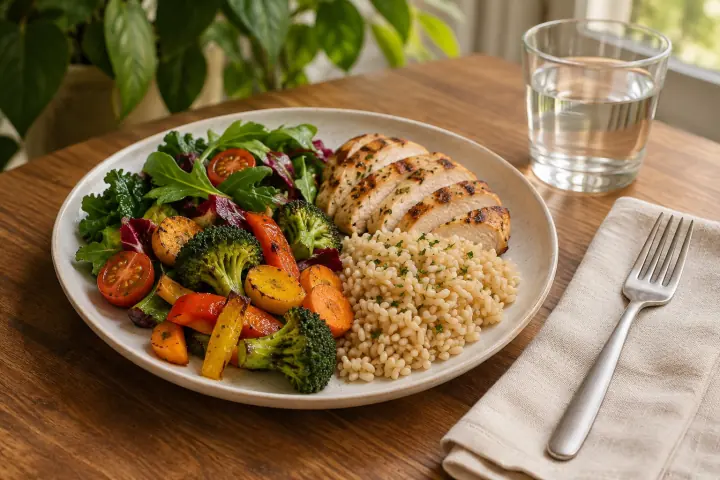
Not every review agrees. A 2022 meta-analysis of 8 trials found slight to no difference in GLP-1 or longer-term blood sugar control, with low-certainty evidence. Still, it's an easy experiment: start dinner with the salad or vegetables, then the chicken, fish, tofu or beans, and finish with the rice, bread or potatoes.
Do probiotics or fermented foods boost GLP-1?
Not by much, based on current evidence. A 2021 systematic review of 24 randomized trials found that probiotics had minimal effects on appetite-related hormones, GLP-1 included, in people with overweight or obesity. We found no systematic review that measured GLP-1 after fermented foods such as yogurt or kefir in people.
Fermented foods have other things going for them. Reviews of kefir trials suggest small improvements in insulin resistance and fasting blood sugar, as our guide to kefir benefits explains, and probiotic foods covers the rest of the fermented shelf.
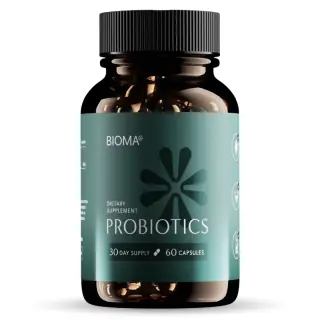
Some supplements now lean on GLP-1 in their marketing. Bioma, a probiotic capsule we reviewed, lists "Boosted GLP1" among its ingredient benefits on its sales page, next to a balanced gut and improved regularity, and the brand also talks about cravings and appetite. We found no study of the Bioma formula itself; its best-studied ingredient, B. lactis, has research for regularity rather than for GLP-1. If digestion is what interests you, our review covers the formula, the price and how to skip the auto-renewing plan.
Prebiotic fiber and GLP-1
Prebiotic fibers, such as inulin and FOS, feed the bacteria in your colon and are often marketed for appetite. In the 2014 systematic review of 26 trials, prebiotics increased feelings of fullness and lowered after-meal blood sugar and insulin, but their effects on GLP-1, calorie intake and body weight were contradictory. A 2013 review of inulin-type fibers found no effect on appetite in 5 trials and no effect on calorie intake in 11.
If you like the idea of a small daily fiber habit without pills, we reviewed Hinuki, a 10-calorie pomegranate jelly stick with about 0.9 g of FOS, 800 mg of garcinia extract and a little chia. The brand says its fibers help you feel satisfied after meals. Given the research above, see it as a convenient low-calorie habit, not a way to raise GLP-1, and keep beans, oats and vegetables as your main fiber sources.
How to increase GLP-1 naturally: a day that puts it together
None of this needs special products. A day built on the research above could look like this:
- Breakfast: plain Greek yogurt with raspberries and a spoonful of chia seeds, or two eggs with a side of fruit.
- Lunch: a lentil or bean bowl with greens and roasted vegetables. Eat the vegetables first.
- Snack: a small handful of almonds, or cottage cheese with fruit.
- Dinner: start with a salad or vegetables, then salmon, chicken or tofu, and finish with barley, brown rice or potatoes.
- All day: water as your main drink, and fiber added gradually if you're not used to it.
If hunger between meals is what you're really fighting, our guide to natural appetite suppressants ranks the habits by how much evidence supports them.
GLP-1 medicines: what to know
GLP-1 receptor agonists are prescription medicines for type 2 diabetes and obesity (Cleveland Clinic). NIDDK explains that the weight-management versions mimic the GLP-1 hormone and act on areas of the brain that regulate appetite, are meant for people with weight-related health problems, and work best combined with a lifestyle program.
They're a separate topic from this guide, which is about the GLP-1 your body makes when you eat. Nothing here replaces a medicine your doctor prescribed, and you shouldn't stop or change one because of what you eat.
If you're considering these medicines, get them through your doctor. The FDA warns that unapproved versions aren't reviewed for safety, effectiveness and quality, that counterfeits can contain the wrong ingredients, and that it has received reports of adverse events, some requiring hospitalization, that may be linked to dosing errors. Fill prescriptions at a state-licensed pharmacy.
If you already take one, food still matters in different ways. A 2025 joint advisory from the American College of Lifestyle Medicine, the American Society for Nutrition, the Obesity Medicine Association and The Obesity Society lists managing digestive side effects, preventing nutrient shortfalls, and preserving muscle and bone through resistance training and an appropriate diet as priorities during treatment, ideally with help from a registered dietitian.
Ask your prescriber how much protein and fiber fit your plan, and tell them about any supplement you're considering.
When to see a doctor
- You have type 2 diabetes, prediabetes or obesity and want to know which treatment fits you, including whether a GLP-1 medicine makes sense.
- You take insulin or other diabetes medicines and plan to change how or what you eat in a big way. Talk to your doctor first, and don't change your doses on your own.
- You notice possible signs of diabetes: frequent urination, increased thirst and hunger, blurry vision, unintentional weight loss or fatigue (CDC).
- You have kidney disease and are thinking about a high-protein diet, or you're pregnant, breastfeeding, or have a history of disordered eating.
- Someone offers you a GLP-1 drug without a prescription. The FDA warns about unapproved and counterfeit versions, so talk to your doctor or pharmacist first.
Gut and fiber products we've reviewed
Bioma review
Adults who want a simple, stimulant-free daily probiotic for digestive comfort and regularity. From $0.88 a day.
Read the review
Hinuki review
People who'd rather chew a small jelly than swallow capsules and want a simple habit around meals. From $3.00 a day.
Read the review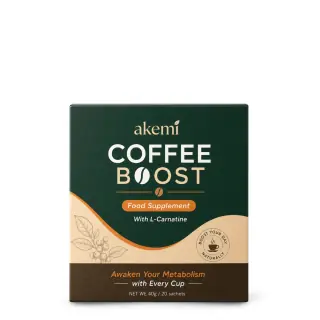
Akemi Coffee Boost review
Coffee drinkers who want a flavorless daily add-in alongside a balanced diet. From $1.11 a day.
Read the review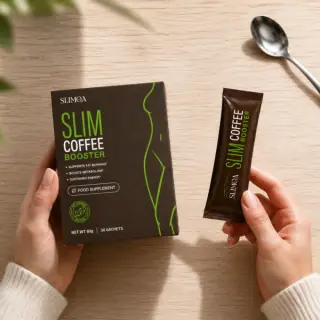
Slimqa Coffee Booster review
Coffee drinkers who want one simple daily habit alongside a balanced diet. From $0.67 a day.
Read the review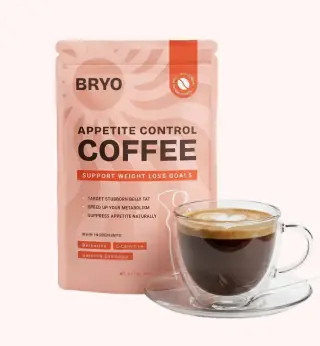
Bryo review
Daily coffee drinkers who want a flavored instant coffee with appetite-focused ingredients, alongside sensible eating. From $0.60 a day.
Read the review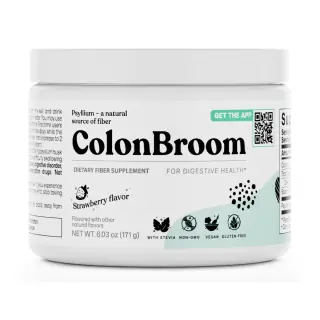
ColonBroom review
Adults who want an easy, tasty way to add psyllium fiber for regularity and fewer bloated days. From $0.93 a day.
Read the review
FAQ
What is GLP-1?
Glucagon-like peptide-1, a hormone your intestine releases after you eat. It prompts insulin release, holds back glucagon, slows stomach emptying and helps you feel full, then gets broken down very quickly by an enzyme called DPP-4.
What foods increase GLP-1?
Protein-rich foods and some fibers have the most research, and eating vegetables and protein before carbohydrates raised GLP-1 after meals in studies of people with type 2 diabetes. The effects are small and last a few hours.
Can you boost GLP-1 naturally?
A little. Meals with plenty of protein and fiber, eaten with the carbohydrates last, can raise your own GLP-1 after eating. Reviews describe short-term effects, not lasting changes, and food isn't a weight-loss treatment.
What does GLP-1 do?
It helps control blood sugar after meals by triggering insulin and blocking glucagon, slows how fast your stomach empties, and increases fullness, according to Cleveland Clinic.
Do probiotics increase GLP-1?
Not meaningfully, based on current evidence. A 2021 systematic review of 24 trials found probiotics had minimal effects on appetite-related hormones, including GLP-1, in people with overweight or obesity.
Is there a natural GLP-1 supplement?
Several supplements claim to boost GLP-1, but we found no systematic review showing that any of them meaningfully raises it in people. Probiotics showed minimal effects and prebiotic fibers contradictory ones.
Sources
- The physiology of glucagon-like peptide 1, Physiol Rev (2007), PubMed
- GLP-1 Agonists, Cleveland Clinic
- Prescription Medications to Treat Overweight & Obesity, NIDDK
- FDA's Concerns with Unapproved GLP-1 Drugs Used for Weight Loss, FDA
- Effect of short- and long-term protein consumption on appetite and appetite-regulating gastrointestinal hormones: a systematic review and meta-analysis of randomized controlled trials, Physiol Behav (2020), PubMed
- Whey Protein Premeal Lowers Postprandial Glucose Concentrations in Adults Compared with Water: a systematic review and meta-analysis, Am J Clin Nutr (2023), PubMed
- Nutrient intake order on metabolic outcomes in type 2 diabetes: a systematic review and meta-analysis, Acta Diabetol (2025), PubMed
- Efficacy of a meal sequence in patients with type 2 diabetes: a systematic review and meta-analysis, BMJ Open Diabetes Res Care (2022), PubMed
- Ordered Eating and Its Effects on Various Postprandial Health Markers: a systematic review, J Am Nutr Assoc (2023), PubMed
- Dietary fibers to boost endogenous GLP-1 secretion and satiety: a scoping review, Front Endocrinol (2026), PubMed
- Metabolic benefits of dietary prebiotics in human subjects: a systematic review of randomised controlled trials, Br J Nutr (2014), PubMed
- Effects of inulin-type fructans on appetite, energy intake, and body weight in children and adults: systematic review of randomized controlled trials, Ann Nutr Metab (2013), PubMed
- Probiotics have minimal effects on appetite-related hormones in overweight or obese individuals: a systematic review of randomized controlled trials, Clin Nutr (2021), PubMed
- Dietary impact on fasting and stimulated GLP-1 secretion in different metabolic conditions: a narrative review, Am J Clin Nutr (2024), PubMed
- Nutritional priorities to support GLP-1 therapy for obesity: a joint Advisory from the American College of Lifestyle Medicine, the American Society for Nutrition, the Obesity Medicine Association, and The Obesity Society, Am J Clin Nutr (2025), PubMed
- Dietary Reference Intakes: Recommended Dietary Allowances and Adequate Intakes, Total Water and Macronutrients, National Academies of Sciences, Engineering, and Medicine
- Daily Value on the Nutrition and Supplement Facts Labels, FDA
- Diabetes Symptoms, CDC
- Lentils, mature seeds, cooked, boiled, without salt (FDC ID 172421), USDA FoodData Central
- Beans, black, mature seeds, cooked, boiled, without salt (FDC ID 173735), USDA FoodData Central
- Chickpeas, mature seeds, cooked, boiled, without salt (FDC ID 173757), USDA FoodData Central
- Tofu, raw, firm, prepared with calcium sulfate (FDC ID 172475), USDA FoodData Central
- Yogurt, Greek, plain, nonfat (FDC ID 170894), USDA FoodData Central
- Fish, salmon, Atlantic, farmed, cooked, dry heat (FDC ID 175168), USDA FoodData Central
- Egg, whole, cooked, hard-boiled (FDC ID 173424), USDA FoodData Central
- Seeds, chia seeds, dried (FDC ID 170554), USDA FoodData Central
- Raspberries, raw (FDC ID 167755), USDA FoodData Central
- Barley, pearled, cooked (FDC ID 170285), USDA FoodData Central
- Cereals, oats, cooked with water, without salt (FDC ID 173905), USDA FoodData Central
- Nuts, almonds (FDC ID 170567), USDA FoodData Central
This guide is general information, not medical advice. Talk to your doctor before making changes to your diet, sleep or exercise routine.