
Cleaning
How to Clean Car Interior Step by Step, From Seats to Glass
To clean a car interior, clear out the trash, vacuum from the top down, wipe the hard surfaces with a mild cleaner, clean the seats the way their material needs, and finish with the floor mats and inside glass. Below you'll find the supply list, the method for cloth and leather seats, and what drives the price of professional interior detailing.
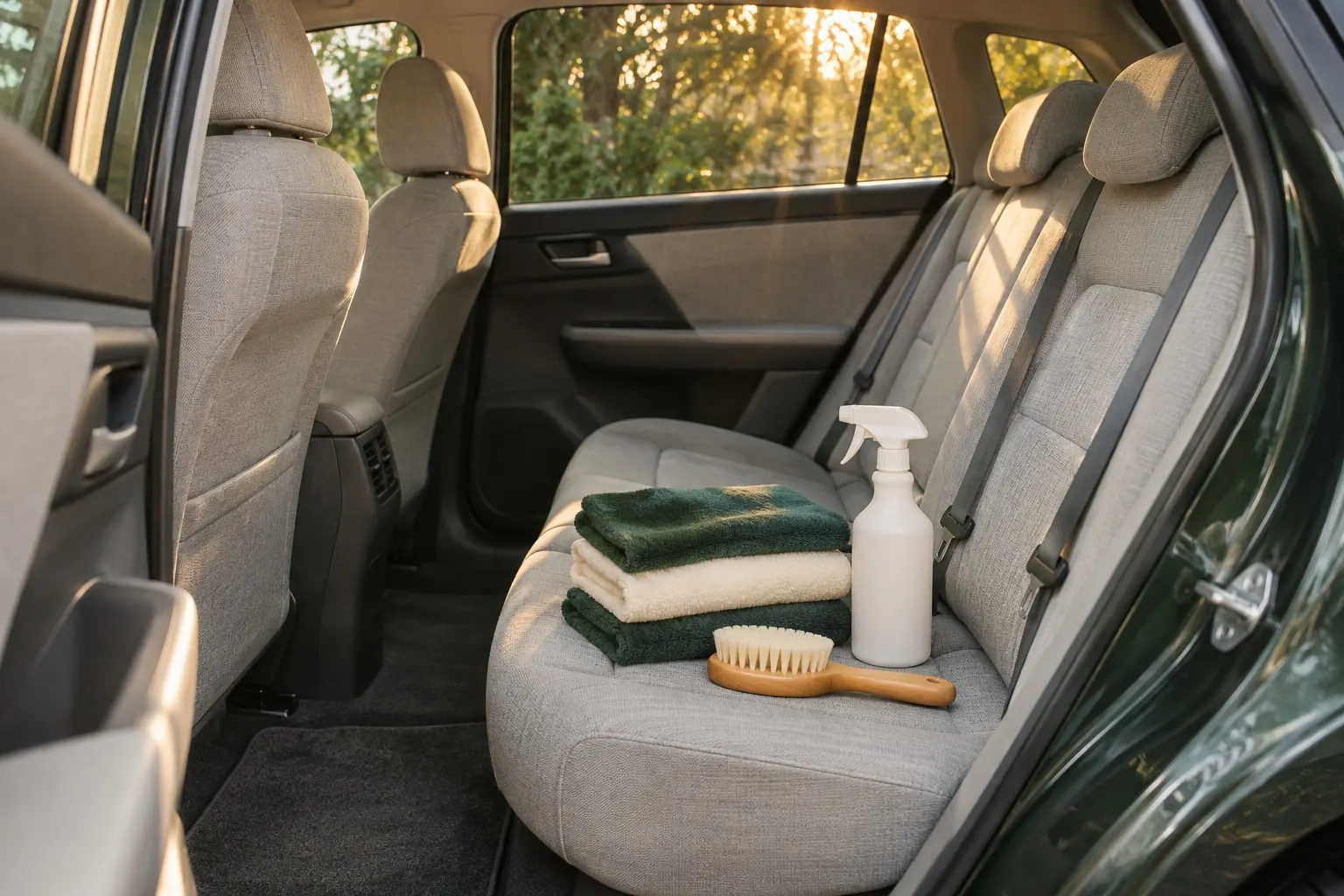
What you need to clean a car interior
You don't need a garage full of products. CDC notes that household cleaners containing soap or detergent remove germs and dirt from surfaces, and for most of a car that's all the job takes. Gather these before you start:
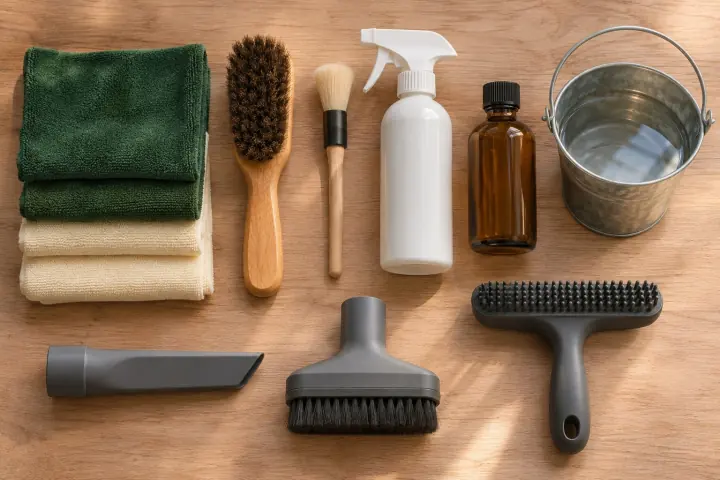
- A trash bag, plus a box for things that belong back in the house
- A vacuum with a crevice nozzle and a brush nozzle, or a cordless handheld
- A stack of clean microfiber cloths: some for cleaning, a few kept dry for buffing glass
- Soft detailing brushes, a small one for vents and seams and a larger one for fabric
- A spray bottle of interior cleaner, or a bucket of warm water with a few drops of mild dish soap
- An upholstery cleaner for cloth seats, or a cleaner and conditioner made for automotive leather
- Glass cleaner
- A stiff brush for floor mats, and a rubber pet hair brush if you travel with a dog
- Gloves, and a wet/dry vacuum if you plan to deep clean fabric
If you'd rather keep a vacuum in the car for weekly touch-ups, we reviewed DustaClean, a cordless handheld that the brand says weighs under a pound and charges by USB. It comes with a slim nozzle for seat gaps and a brush nozzle for fabric and pet hair, and it's made for dry messes only.
How to clean car interior, step by step
Work from the top down and from dry to wet, so the dust you knock loose lands on surfaces you haven't cleaned yet. Start early in the day, too: seats and carpet need time to dry with the doors open.
- Park in the shade and open every door. CDC advises good ventilation whenever you use cleaning products indoors, and a closed car is a very small room.
- Clear out trash, loose items and whatever has collected in the door pockets, seat-back pockets and console.
- Pull out the floor mats, shake or beat them out, and set them aside to clean separately.
- Dust the dashboard, vents, seams and buttons with a soft brush so the dirt falls to the floor.
- Vacuum from the top down: the headliner gently with the brush nozzle if it's dusty, then the seats, then the carpet. Slide each front seat all the way forward and back to reach the tracks and the gap underneath.
- Wipe hard surfaces with a microfiber cloth dampened with interior cleaner or mild soapy water. Spray the cloth, not the surface, to keep liquid out of buttons, screens and vents.
- Clean the seats the way their material needs, as described below.
- Clean the floor mats and spot-treat the carpet.
- Do the inside glass and mirrors last, so dust and overspray don't land on clean windows.
- Leave the doors or windows open until the seats and carpet are completely dry.
How to clean car seats
Start by finding out what your seats are made of, because cloth, leather and synthetic leather each need something different. Your owner's manual will say, and it may list the cleaners the automaker recommends.
Whatever the material, test any cleaner on a hidden spot first, such as the lower back of the seat, and use as little liquid as you can. Seat cushions are foam, and foam that gets soaked dries slowly. EPA advises drying water-damaged items within 24 to 48 hours to prevent mold growth, which is hard to do with a waterlogged cushion.
How to clean cloth car seats
Cloth seats hide dirt well, but they hold onto crumbs, hair and old spills. This method works for most fabric seats:
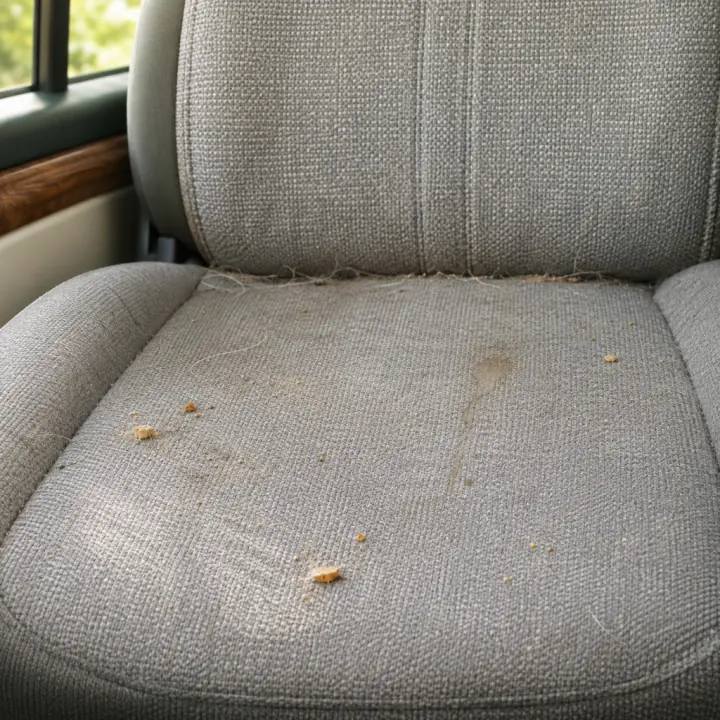
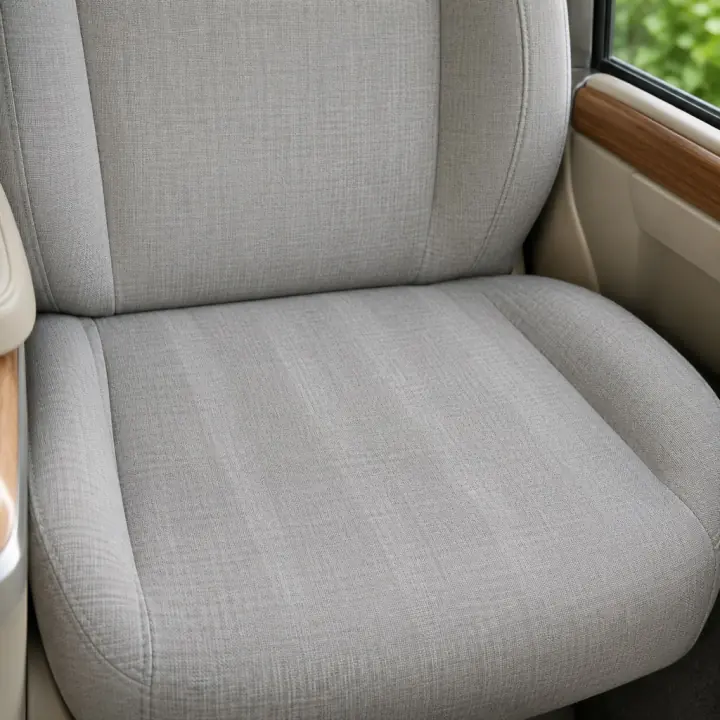
- Vacuum slowly with the brush nozzle, then go back over the seams and the crease where the backrest meets the cushion with the crevice nozzle.
- Spray an upholstery cleaner lightly onto stains, or onto one section at a time, following the label.
- Work it in with a soft brush in small circles, without scrubbing so hard that the fabric fuzzes.
- Blot with a clean microfiber cloth to lift the dirt and moisture, turning the cloth often.
- Blot again with a cloth dampened in plain water to take out leftover cleaner.
- If you have a wet/dry vacuum or a small upholstery extractor, run it over the seat to pull out the remaining water.
- Let the seat dry completely, doors or windows open, before anyone sits on it.
How to get stains out of car seats
Speed matters more than the product: a fresh spill sits near the surface, while a dried one has worked into the fabric. For most stains:
- Lift off anything solid with a spoon or the edge of a card, then blot the liquid with a dry cloth. Rubbing spreads it.
- Work from the outside of the stain toward the middle so it doesn't spread into a ring.
- Use an upholstery cleaner that suits the stain and follow its label. Several light applications beat one soaking.
- For vomit, urine or other body fluids, wear gloves. CDC advises disinfecting as well as cleaning when someone is sick, so after cleaning, use a disinfectant whose label covers the surface you're treating and follow its directions.
- Never mix cleaners. Bleach combined with ammonia or with acids such as vinegar gives off toxic gases, the Washington State Department of Health warns, and a closed car traps them. Our guide on how to remove a toilet bowl ring lists the combinations to avoid.
If a stain has been there for months, or the cushion still smells after it dries, a professional extractor may be the better bet.
How to clean leather car seats
Leather needs gentler handling than cloth: too much water or a harsh cleaner can damage the finish. Some seats that look like leather are synthetic or coated, so check the owner's manual before you pick a product.
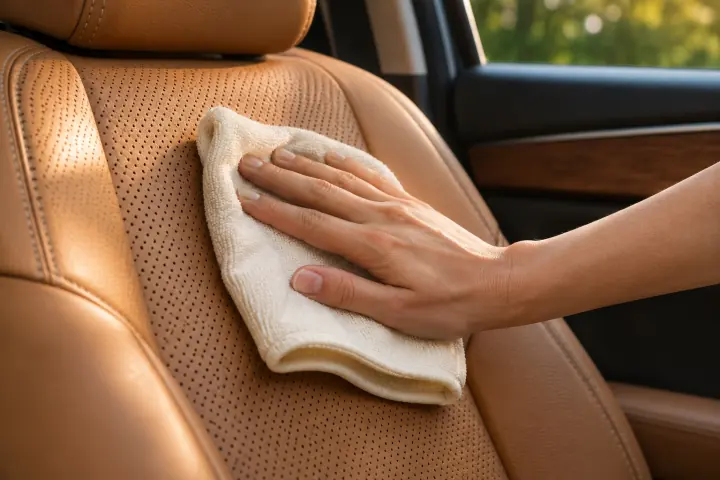
- Vacuum first with the soft brush nozzle, paying attention to seams and perforations, where crumbs collect.
- Spray a cleaner made for automotive leather onto a microfiber cloth or soft brush, not directly onto the seat.
- Wipe one small section at a time, working the cleaner gently into the grain.
- Wipe away the residue with a second cloth dampened in clean water, then dry with a third.
- If your manual recommends it, apply a thin coat of leather conditioner, let it absorb and buff off the excess so the seat doesn't feel greasy.
Skip scouring pads, abrasive sponges and solvents, which can scuff or dull the surface. There's no universal schedule for conditioning; follow the manual, and condition sooner if the leather starts to look dry.
How to clean the dashboard, vents and steering wheel
These are the parts you touch on every drive. CDC recommends cleaning high-touch surfaces at home regularly; in a car, that means the steering wheel, door handles, gear shift, turn signal stalks and the buttons you press most.
- Dashboard and console: wipe with a damp microfiber cloth and interior cleaner, then buff dry. Skip shiny dressings on top of the dash if they cause glare on the windshield.
- Vents: brush each slat with a small soft brush while the crevice nozzle catches the dust.
- Steering wheel: wipe with a cloth dampened with a cleaner that suits its material, then dry it so your grip doesn't slip.
- Cup holders: soak up spills, loosen sticky residue with a soft brush or a damp cloth wrapped over a finger, then dry.
- Touchscreens and displays: follow the owner's manual, and when in doubt use a soft, dry microfiber cloth.
How to clean car carpet and floor mats
Floors take the most abuse, so clean them after everything above has shed its dust.
- Rubber mats: scrub with warm soapy water and a stiff brush, rinse and let them dry completely.
- Carpet mats: vacuum both sides, treat stains the same way as cloth seats, and dry them fully before they go back in.
- Carpet: loosen sand and grit with a stiff brush, then vacuum slowly in overlapping passes, moving the seats to reach underneath.
- Spot-clean carpet stains with a carpet or upholstery cleaner, blot, and vacuum again once the area is dry.
Damp carpet is how cars start to smell. EPA says absorbent materials such as carpet may have to be thrown away if they become moldy, and that cleaning without fixing the water problem means the mold will likely come back. If you find mold, EPA advises wearing gloves, goggles and an N-95 respirator while you clean it, then track down the leak.
To get a smell out of a car, find its source first: a spill that soaked into the carpet, a forgotten food bag, a damp mat or a musty patch under the seats. Clean it, dry the area completely and air the car out with the doors open. Fragrance on top of the smell doesn't remove what's causing it.
How to get dog hair out of a car
Suction alone tends to leave pet hair woven into carpet and cloth. Loosen it first: drag a rubber pet hair brush or a damp rubber glove across the fabric in one direction to roll the hair into clumps, then vacuum with the brush nozzle. A washable seat cover or blanket for the dog makes the next cleanup much shorter.
For quick passes between full cleans, the brand behind the DustaClean handheld vacuum pitches its brush nozzle at fur on car seats and cushions.
How to clean inside car windows
- Clean the glass last, after dusting and wiping the dashboard.
- Spray glass cleaner onto a microfiber cloth rather than the glass, to keep it off the dashboard and door panels.
- Wipe the inside in one direction, say side to side, then buff dry with a second, dry cloth. If you clean the outside up and down, you'll know which side any streak is on.
- Roll each window down a few inches to reach the strip along the top edge.
If your windows have aftermarket tint film, check the installer's care instructions before choosing a cleaner.
How much does interior car detailing cost?
Prices vary a lot by shop and region, and we didn't find an independent national price survey we could verify, so we won't quote a single figure. What we can tell you is what you're paying for.
Interior detailing is mostly labor. The U.S. Bureau of Labor Statistics puts the median wage for cleaners of vehicles and equipment at $17.23 an hour in May 2025. That's what the worker earns, not what the shop charges, but it shows why the price tracks the hours: the dirtier the car, the longer the job. Equipment, products, overhead and the shop's margin make up the rest.
| Factor | Why it changes the price | What to ask |
|---|---|---|
| Vehicle size | An SUV, minivan or truck has more seats and carpet than a compact car | Is the price set by vehicle size? |
| Condition | Pet hair, sand, heavy stains, smoke odor or mold add hours | Are there surcharges for pet hair or odors? |
| Services | A vacuum and wipe-down is a much smaller job than shampooing, hot-water extraction, steam or leather conditioning | Exactly which services are included? |
| Location | Mobile detailers come to you; shops carry their own overhead; labor costs differ by region | Is there a travel fee? |
| Add-ons | Headliner cleaning, odor treatments and fabric protection may be priced separately | Which add-ons does my car actually need? |
Wage figure: U.S. Bureau of Labor Statistics, Occupational Employment and Wage Statistics, May 2025.
Get a written quote that lists each service, and ask which products they use if anyone who rides in the car has asthma, allergies or a sensitive nose. If your car just needs a vacuum, a wipe-down and clean glass, the steps above get you most of the way for the cost of supplies.
Cleaning a child's car seat
A child's car seat follows different rules from the car's own seats. Clean the cover, harness and buckle only the way the seat's manual describes, because the harness is part of the seat's crash protection. If you've lost the manual, check the manufacturer's website for a copy before you start.
When to see a doctor
Cleaning a car means using chemicals in a small, closed space. If you start to feel unwell, stop, get out of the car and breathe fresh air, as Poison Control advises after inhaling fumes. Poison Control (1-800-222-1222) takes free, confidential calls around the clock. The Washington State Department of Health lists these symptoms after breathing the gases from mixed cleaners:
- Coughing, wheezing or trouble breathing
- Chest pain
- Watery eyes and an irritated nose or throat
- Nausea
Call 911 for trouble breathing or chest pain. If a child swallows or gets into a cleaning product, call Poison Control right away, and store products out of reach of children and pets, as CDC advises.
Mold is a health issue too. EPA says mold can cause allergic reactions in sensitive people and asthma attacks in people with asthma who are allergic to it, so if you have asthma, let someone else clean a moldy car or ask your doctor first. And if dust or pet dander in the car keeps setting off symptoms, cleaning helps but isn't a treatment: a systematic review of allergen reduction in asthma found single measures, HEPA vacuums included, generally didn't improve asthma control on their own, while combined programs that included HEPA vacuuming reduced flare-ups. Your doctor can help you put together a plan that fits.
Car cleaning tool we've reviewed
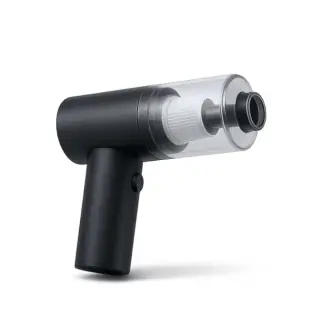
DustaClean Handheld Vacuum review
Drivers, pet owners and anyone who wants a light, cordless vacuum for quick cleanups between full cleanings. From $49.99.
Read the review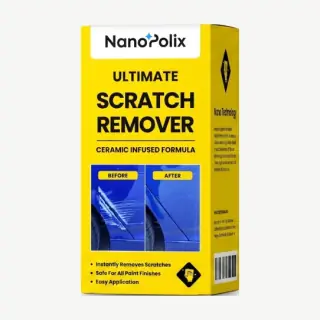
NanoPolix review
Drivers with light scuffs, swirl marks and paint transfer that a fingernail glides over, who'd like to try a quick fix before paying a body shop. From $12.23.
Read the review
FAQ
What is the best way to clean a car interior?
Work top to bottom and dry to wet: clear the trash, dust and vacuum, wipe hard surfaces, clean the seats by material, then do the mats, carpet and inside glass. Leave the doors open until everything is dry.
How do you clean cloth car seats at home?
Vacuum, spray upholstery cleaner lightly, work it in with a soft brush, blot with microfiber, blot again with plain water and let the seat dry with the doors open. Use as little liquid as possible so the foam underneath doesn't stay wet.
How do you clean leather car seats without damaging them?
Check the owner's manual, vacuum with a soft brush, put a cleaner made for automotive leather on a cloth rather than the seat, and wipe in small sections. Remove the residue with a damp cloth, dry it, and condition only if the manual recommends it.
How much does interior car detailing cost?
It depends on the vehicle's size and condition, the services included and where you live. The job is mostly labor: the Bureau of Labor Statistics puts the median wage for vehicle cleaners at $17.23 an hour (May 2025). Ask for a written, itemized quote.
How do you get stains out of car seats?
Blot fresh spills right away, work from the edge of the stain toward the middle, use an upholstery cleaner as its label directs and blot rather than rub. Never mix cleaners, especially bleach with ammonia or vinegar.
How often should you clean your car interior?
There's no official schedule. A quick vacuum and a wipe of the steering wheel and other high-touch spots whenever crumbs and dust build up keeps deep cleans short, and spills should be cleaned and dried right away.
Sources
- When and How to Clean and Disinfect Your Home, Centers for Disease Control and Prevention
- A Brief Guide to Mold, Moisture and Your Home, U.S. Environmental Protection Agency
- Dangers of Mixing Bleach with Cleaners, Washington State Department of Health
- Chlorine Gas: Get the Facts, Poison Control (National Capital Poison Center)
- Cleaners of Vehicles and Equipment (53-7061), Occupational Employment and Wage Statistics, May 2025, U.S. Bureau of Labor Statistics
- Effectiveness of indoor allergen reduction in asthma management: A systematic review, J Allergy Clin Immunol (2018), PubMed
This guide is general information. Follow the label of any cleaning product, never mix cleaners, and keep them away from children and pets.