
Dental pain
Tooth Nerve Pain: Fast Relief at Home and When to See a Dentist
When a tooth throbs, it's tempting to look for a way to shut the nerve off for good. No home remedy can do that. What you can do is ease the pain safely for a day or two, spot the signs that can't wait, and get the nerve treated properly.
Can you kill a tooth nerve at home?
No. No rinse, oil or trick kills a tooth nerve in seconds, and nothing you do at home will stop it hurting for good. The nerve sits in the pulp, the soft core of the tooth. MedlinePlus, the National Library of Medicine's health site, describes the pulp as nerves, blood vessels and connective tissue that run down through the canals of the root. When decay, a crack or an injury lets bacteria reach it, the pulp becomes inflamed or infected, and only dental treatment fixes that.
What you can do is take the edge off the pain while you get an appointment. The steps below come from US health agencies and the American Dental Association. Think of them as a bridge to the dentist, not a replacement.
Why a tooth nerve hurts
MedlinePlus lists the usual causes of a toothache: tooth decay, an abscessed tooth, a tooth that is worn, cracked or injured, an injury to the jaw or mouth, and grinding your teeth. Pain you feel in a tooth can also come from somewhere else, such as a sinus infection or an earache.
MedlinePlus also lists a heart attack among the causes of jaw and tooth pain. Call 911 if pain in your jaw, neck or teeth comes with chest discomfort or shortness of breath, even if you're not sure what it is.
Fast relief while you wait for the dentist
These steps can make the next few hours or days easier. None of them treats the cause.
- Take an over-the-counter pain reliever exactly as the label directs. MedlinePlus says this is the first step when you can't see a dentist right away. The American Dental Association's 2024 guideline found that nonsteroidal anti-inflammatory drugs (NSAIDs) such as ibuprofen, alone or combined with acetaminophen, likely relieve dental pain better than opioids and with a better safety profile. If you have a health condition or take other medicines, ask a pharmacist which one is right for you.
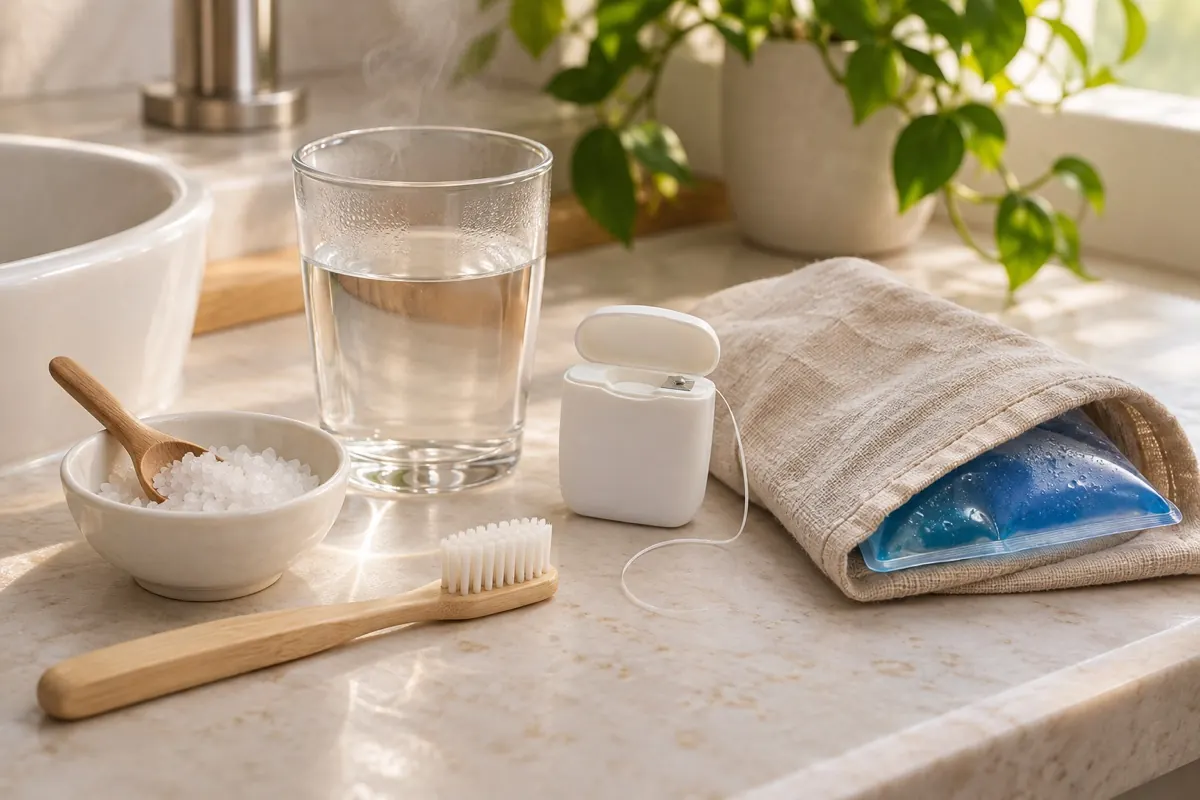
- Rinse with warm salt water. MedlinePlus says warm saltwater rinses may help ease the pain of an infected tooth.
- Never put an aspirin tablet on the tooth or gum. MedlinePlus warns that it irritates the tissue and can cause mouth ulcers. Pain relievers work when you swallow them as directed.
- Chew on the other side and skip foods or drinks that set off the pain, such as very hot, very cold or sugary ones.
- If you use a numbing gel, follow the label and never use it on babies or young children. The FDA warns that benzocaine, the active ingredient in many of these gels, can cause methemoglobinemia, a serious and sometimes fatal condition in which the blood carries much less oxygen.
What about clove oil?
Clove oil, whose main compound is eugenol, is a traditional toothache remedy. LiverTox, the drug-safety database of the National Institute of Diabetes and Digestive and Kidney Diseases, notes that it's widely used on the gums for toothache and hasn't been linked to liver injury in usual amounts, but that swallowing large amounts, as in an overdose, can cause severe liver damage.
If you try it, use a tiny amount on the sore spot only, don't swallow it, and keep the bottle away from children. There's little research on clove oil as a home remedy, so treat it as short-term comfort at most.
When to see a dentist
MedlinePlus advises getting care if:
- The pain is severe
- It lasts longer than a day or two
- You have a fever, an earache, or pain when you open your mouth wide
- Your toothache throbs and won't go away, or you notice a pimple-like bump on the gum, a bitter taste in your mouth, bad breath or swollen glands in your neck, which can be signs of an abscess
Signs of an emergency
Go to the emergency room or call 911 if swelling spreads to your jaw, face or neck, or you have trouble breathing or swallowing. MedlinePlus calls a swollen jaw a very serious symptom of a tooth abscess, and an infection that spreads to the floor of the mouth can swell fast enough to block the airway.
One warning is easy to miss. MedlinePlus explains that an abscess may stop hurting when the pressure inside the tooth is released, but the infection stays active and keeps spreading. A toothache that suddenly goes quiet still needs a dentist.
What a dentist can do about the nerve
The dentist will examine your mouth and may take X-rays to find the cause. Depending on what they find, MedlinePlus lists the usual treatments: removing decay and filling the cavity, root canal treatment, or taking the tooth out when it can't be saved. If grinding is the problem, the dentist may suggest an appliance that protects your teeth.
Root canal treatment is the real version of killing the nerve. After numbing the area, the dentist opens the tooth, removes the dead or infected pulp, cleans and disinfects the canals, and seals them, usually followed by a crown. MedlinePlus says a root canal can save a tooth that might otherwise have to be removed, and most people go back to their normal routine the same day.
Antibiotics are not a shortcut. An American Dental Association guideline recommends against them for most toothaches, because the benefit is likely negligible and the harms can be large. It reserves them for infections that affect the whole body, with signs such as fever or feeling unwell, and says treating the tooth itself should come first.
If cost is what's stopping you
The National Institute of Dental and Craniofacial Research points to several lower-cost options:
- Dental school clinics, where students treat patients at reduced cost under the close supervision of licensed dentists
- Dental hygiene schools, which may also offer supervised, low-cost care
- Federally funded community health centers, where you pay based on your income; HRSA's Find a Health Center tool lists the ones near you
- Medicaid and CHIP: dental benefits for children are required in Medicaid, while adult dental coverage varies by state
Sensitive teeth: a different kind of pain
If the pain is a short, sharp twinge set off by cold, air or touch, ask your dentist whether it's dentin sensitivity, where the layer under the enamel is exposed. A 2020 network meta-analysis of 125 trials found that several desensitizing toothpaste ingredients, including stannous fluoride, potassium salts and calcium sodium phosphosilicate, reduced that kind of pain compared with a regular fluoride toothpaste.
How to keep it from coming back
MedlinePlus recommends the same basics for preventing the tooth decay behind most toothaches:
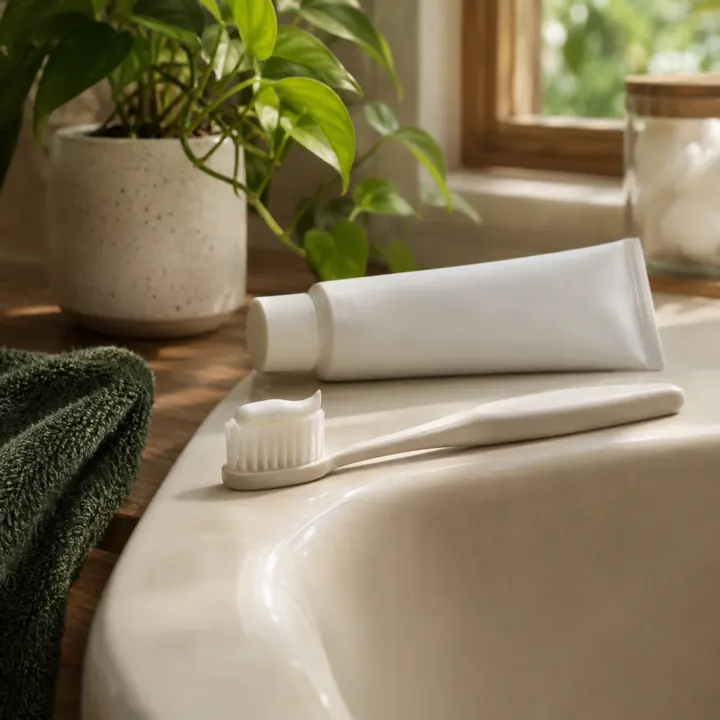

- Brush with a fluoride toothpaste and floss regularly
- Keep sugar low in your diet
- Get regular professional cleanings, and ask your dentist about sealants and fluoride treatments
- Tell your dentist if you think you grind your teeth
- Have a broken or chipped tooth checked right away
FAQ
Can I kill a tooth nerve at home?
No. Nothing you can do at home kills a tooth nerve or stops the pain for good. Removing an infected or dead nerve is what a dentist does during root canal treatment. At home you can ease the pain with an over-the-counter pain reliever and warm saltwater rinses until your appointment.
What is the fastest way to ease tooth nerve pain?
An over-the-counter pain reliever taken as the label directs. The American Dental Association's 2024 guideline found that NSAIDs such as ibuprofen, alone or with acetaminophen, likely work better than opioids for dental pain. Warm saltwater rinses may help too. Neither fixes the cause, so book a dentist.
Can a tooth nerve heal on its own?
An infected nerve doesn't heal by itself. MedlinePlus explains that an abscess can stop hurting while the infection keeps spreading, so pain that fades is not a sign the problem is gone. A dentist can tell how damaged the nerve is with an exam and X-rays.
Is it safe to put clove oil on a toothache?
Clove oil is a traditional remedy, and NIH's LiverTox database says it hasn't been linked to liver injury in usual amounts. Swallowing large amounts can cause severe liver damage, though, so use a tiny amount on the sore spot only, don't swallow it and keep it away from children.
Should I ask for antibiotics for a toothache?
Usually not. An American Dental Association guideline recommends against antibiotics for most toothaches and reserves them for infections with signs that affect the whole body, such as fever or feeling unwell. Treating the tooth comes first.
When is tooth pain an emergency?
Go to the emergency room or call 911 if swelling spreads to your jaw, face or neck, or you have trouble breathing or swallowing. Call 911 as well if jaw or tooth pain comes with chest discomfort or shortness of breath, since MedlinePlus lists a heart attack among the causes of jaw and tooth pain.
Sources
- Toothaches, MedlinePlus Medical Encyclopedia, National Library of Medicine
- Tooth abscess, MedlinePlus Medical Encyclopedia, National Library of Medicine
- Root canal, MedlinePlus Medical Encyclopedia, National Library of Medicine
- Ludwig angina, MedlinePlus Medical Encyclopedia, National Library of Medicine
- Heart Attack, MedlinePlus, National Library of Medicine
- Evidence-based clinical practice guideline for the pharmacologic management of acute dental pain in adolescents, adults, and older adults, J Am Dent Assoc (2024), PubMed
- Evidence-based clinical practice guideline on antibiotic use for the urgent management of pulpal- and periapical-related dental pain and intraoral swelling, J Am Dent Assoc (2019), PubMed
- Safely Soothing Teething Pain in Infants and Children, U.S. Food and Drug Administration
- Eugenol (Clove Oil), LiverTox, National Institute of Diabetes and Digestive and Kidney Diseases, PubMed
- Desensitizing Toothpastes for Dentin Hypersensitivity: A Network Meta-analysis, J Dent Res (2020), PubMed
- Finding Dental Care, National Institute of Dental and Craniofacial Research
- Find a Health Center, Health Resources and Services Administration
This guide is general information, not medical advice. Talk to your doctor before making changes to your diet, sleep or exercise routine.