
Healthy habits
Getting Started on Your Own: A Simple Plan for a Healthier Routine
You don't need a coach, a gym or a complete life overhaul to start. What works for most people is one small change at a time, kept up until it sticks. Here is how to choose it, what the federal guidelines say to aim for, and when to check with a doctor first.
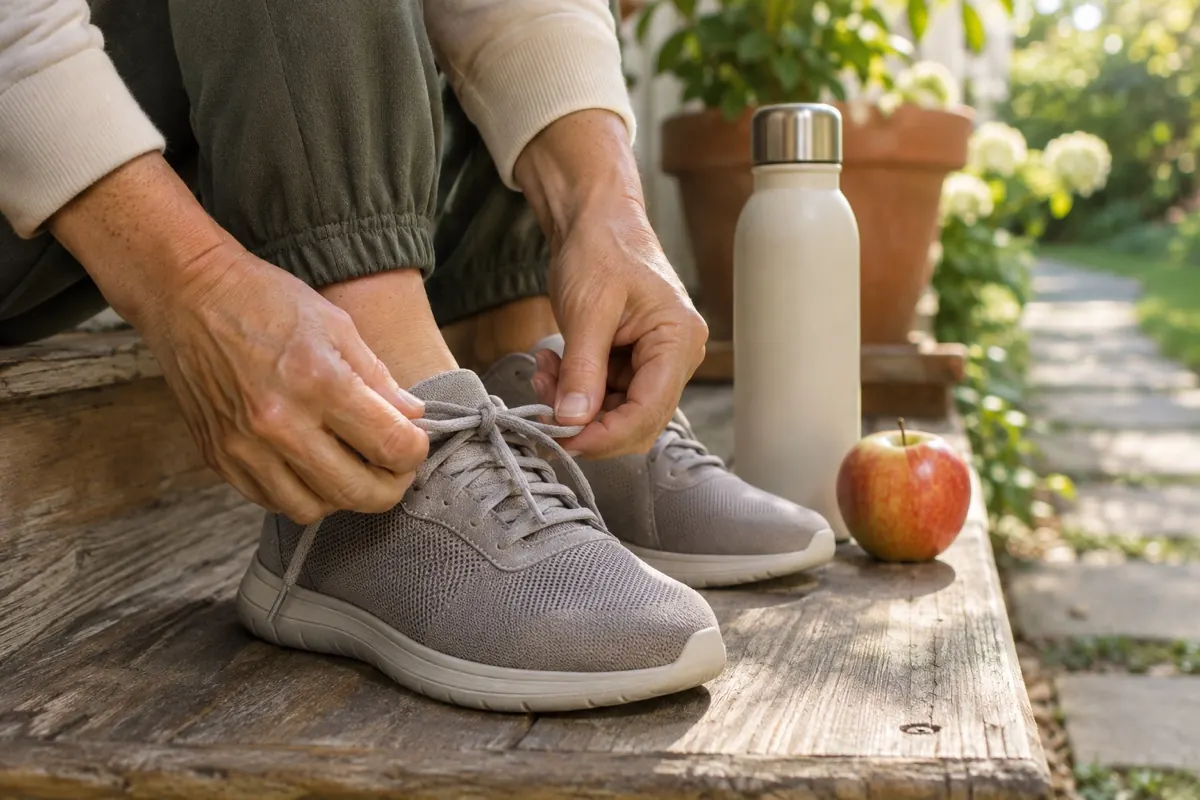
Start with one change, not ten
Changing everything at once is hard to keep up. A habit is something you do almost automatically, and building one takes repetition.
A 2024 review of 20 studies on health habits, from exercise and healthy eating to drinking water and flossing, found that habits can start to form in about two months. The typical time in the studies that measured it was 59 to 66 days, but it ranged from 4 days to almost a year from person to person. Habits that people chose for themselves, and ones practiced in the morning, tended to be stronger.
So pick one change you actually want, attach it to a fixed time of day, and give it a couple of months before you judge it or add the next.
Move more: any amount counts
The Physical Activity Guidelines for Americans are clear that some activity is better than none, and that even 5 minutes has real health benefits. You don't need to exercise in long blocks anymore: the current guidelines dropped the old rule that only bouts of 10 minutes or more count.
Inactive people should start low and go slow, and a 10-minute walk after one meal a day is a perfectly good first habit. Here is what to build toward over weeks or months:

- 150 to 300 minutes a week of moderate-intensity activity, such as brisk walking, or 75 to 150 minutes of vigorous activity, such as running
- Muscle-strengthening activities for all the major muscle groups on at least 2 days a week: weights, resistance bands, or body-weight moves like push-ups and planks
- Less sitting throughout the day
- For adults over 65, balance training as part of the weekly mix
- To judge your effort, use the guidelines' talk test: at a moderate intensity you can talk but not sing
Eat: build meals around real food
The Dietary Guidelines for Americans, 2025–2030, sum it up as eating real food. Pick one of the points below to start, for example adding a vegetable to lunch every day, rather than changing your whole diet in one week. For a 2,000-calorie day the guidelines suggest:
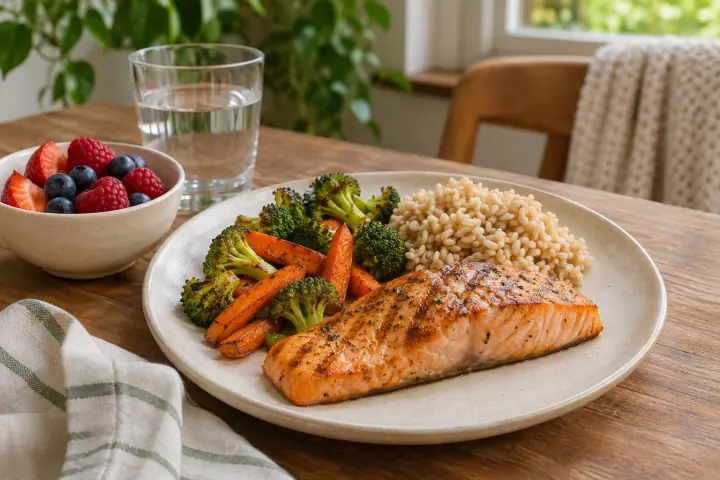
- A high-quality protein food at every meal, from eggs, poultry, seafood or meat to beans, lentils, nuts, seeds and soy
- About 3 servings of vegetables and 2 servings of fruit, eaten throughout the day
- 2 to 4 servings of whole grains, in place of refined ones like white bread and packaged breakfast foods
- Fewer highly processed foods, and no more than 10 grams of added sugars in any one meal
Drink: make water the default
The same guidelines recommend choosing water, still or sparkling, and unsweetened drinks, and avoiding sugar-sweetened drinks such as sodas, fruit drinks and energy drinks. If you drink 100% juice, keep portions small or dilute it with water. They also advise drinking less alcohol for better overall health.
Swapping one sugary drink a day for water is one of the easiest first habits to keep, because it doesn't take any extra time.
Sleep: protect at least 7 hours
The CDC says adults ages 18 to 60 need 7 or more hours of sleep a night. A fixed wake-up time, even on weekends, gives the rest of your routine an anchor. If you want a wind-down routine to fall asleep faster, see our 12-minute guide in the sleep section.
If you use tobacco, get free help
Quitting is one of the biggest health changes you can make, and you don't have to do it alone. Calling 1-800-QUIT-NOW (1-800-784-8669) connects you to your state's free quitline, where a trained counselor helps you make a plan. Smokefree.gov, from the National Cancer Institute, also offers live chat and free text-message programs. For help in Spanish, call 1-855-DÉJELO-YA (1-855-335-3569).
Keep track the simple way

- Write your one habit at the top of a calendar or a note on your phone, and check off each day you do it.
- If you miss a day, pick it up the next day rather than starting over.
- After about two months, if it feels automatic, add the next habit from the list above.
- Make it easy to do and hard to skip: walking shoes by the door, a filled water bottle on your desk, vegetables washed and ready in the fridge.
When to check with a doctor first
The guidelines say physical activity can be safe for almost everyone. If you have a chronic condition or symptoms, such as chest pain, shortness of breath or joint problems, ask a health care provider which types and amounts of activity suit you. The same goes for big changes to your diet if you have diabetes, kidney disease or take regular medication. During pregnancy, stay under the care of a health care provider who can advise you on activity.
Reviewed tools that fit a new routine
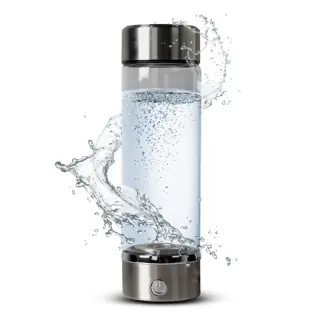
LifeWater Bottle review
People who want to try hydrogen water at home and like refilling a glass bottle through the day. From $49.95.
Read the review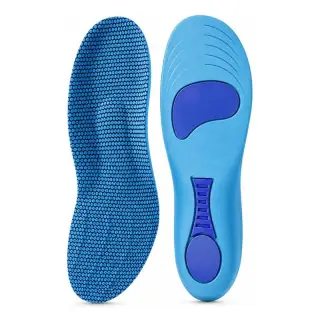
Hewelth StepCore review
People on their feet all day who want firmer arch support and heel cushioning in boots and sneakers, and don't mind buying at least two pairs. From $11.25.
Read the review
Derila Pillow review
Sleepers who wake up with neck tension and want a contoured pillow that works on the side, back or stomach. From $37.49.
Read the review
FAQ
What's the easiest healthy habit to start with?
One you want to do and can repeat daily at a set time, such as a 10-minute walk after a meal or swapping one sugary drink for water. A 2024 review found that habits people chose for themselves tended to be stronger.
How long does it take to form a new habit?
About two months on average, according to a 2024 review of health-habit studies, which found typical times of 59 to 66 days. But it varied hugely from person to person, from 4 days to almost a year.
How much exercise does a beginner need?
Any amount helps, and even 5 minutes has real benefits, according to the Physical Activity Guidelines for Americans. Build up gradually toward 150 minutes a week of moderate activity, like brisk walking, plus strength work on 2 days a week.
Do I need to see a doctor before I start exercising?
Most people don't, because the guidelines say physical activity can be safe for almost everyone. Check with a health care provider first if you have a chronic condition or symptoms, or if you're pregnant.
Can I really do this without a coach or a gym?
Yes. Walking, body-weight exercises, home cooking and a regular bedtime need no equipment or membership. What matters most is repeating one change until it becomes routine.
Sources
- Physical Activity Guidelines for Americans, 2nd edition, U.S. Department of Health and Human Services
- Dietary Guidelines for Americans, 2025–2030, U.S. Department of Agriculture and U.S. Department of Health and Human Services
- Time to Form a Habit: A Systematic Review and Meta-Analysis of Health Behaviour Habit Formation and Its Determinants, Healthcare (2024), PubMed
- About Sleep, Centers for Disease Control and Prevention
- Speak to a Quit Smoking Counselor, Smokefree.gov, National Cancer Institute
This guide is general information, not medical advice. Talk to your doctor before making changes to your diet, sleep or exercise routine.